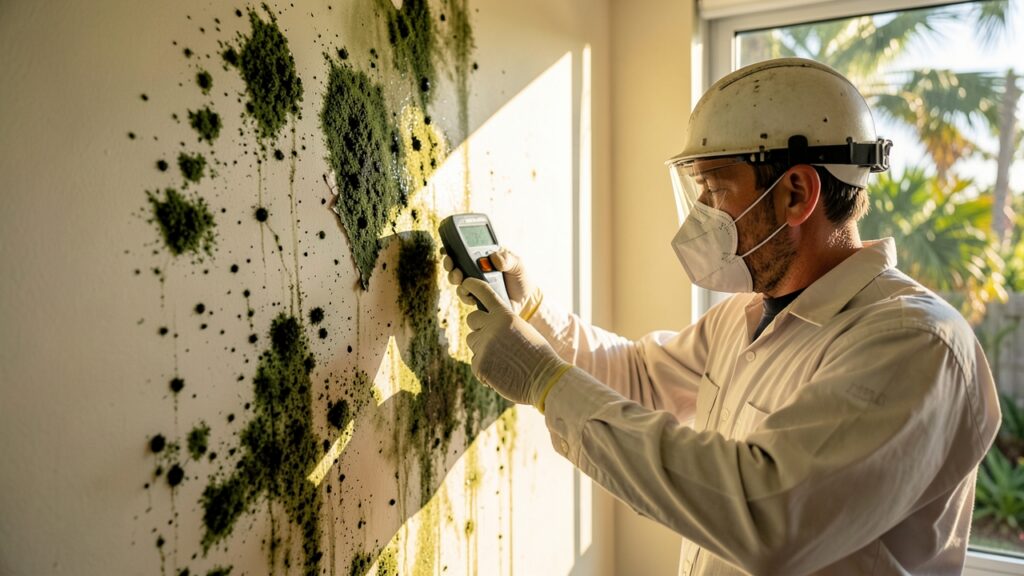
What Causes Attic Mold in Miami, FL – And What You Can Do About It
When you find mold on attic sheathing, it’s a bad sign. I’ve been crawling up into attics all over Miami—from the historic homes near Freedom Tower to newer builds in Kendall—and the root causes almost always come down to two things: moisture and poor ventilation. I want to break down what I’m seeing firsthand and share how I handle attic mold remediation, especially with Miami’s unique climate in mind.
Attic mold in Miami, FL is primarily caused by high humidity, poor ventilation, and roof leaks that create moist conditions ideal for mold growth. To prevent and remediate attic mold, improve ventilation, fix leaks promptly, and use a dehumidifier to control moisture levels.
Why Does Mold Show Up in Your Attic?
Most attic mold causes I come across are tied to roof leaks or humidity problems. Miami’s humidity doesn’t just stick to the outside air—it creeps inside your attic space, condensing on surfaces like the wooden sheathing. When that wood stays damp for days, mold finds a perfect home.
One job that sticks with me was in Coral Gables. A homeowner had started smelling something musty but found no visible leaks inside their living space. When I checked the attic, I found mold on attic sheathing right over a small but persistent roof leak. The moisture had been soaking the plywood for weeks before it got bad enough to see.
Roof leak attic mold is a classic problem here. Even minor leaks can cause serious damage if left unchecked. But sometimes, it’s not a leak at all. It’s improper attic ventilation letting humid air build up, creating “hot spots” where mold loves to grow.
How Do You Spot Attic Mold Early?
Signs of mold in attic aren’t always obvious at first. You might catch a musty smell near your ceiling vents, or notice some discoloration on drywall in the ceiling below. If you open your attic door and see dark spots or fuzzy patches on the wood—especially the sheathing—you’re likely looking at mold.
Here’s a quick checklist I use when inspecting attics during mold removal Miami FL calls:
- Look for water stains or discoloration on roof decking
- Check for visible mold growth on sheathing, joists, or rafters
- Sniff for musty odors, even if you don’t see mold
- Feel for dampness or condensation on surfaces
- Inspect attic vents and insulation for signs of moisture buildup
For a thorough evaluation, I always recommend professional mold inspection Miami offers. It’s not just about seeing mold—it’s about understanding the moisture source and how to fix it for good.
What Makes Miami Attics Different?
Miami’s climate is a double-edged sword. On one hand, the heat dries some moisture quickly. But the high humidity year-round means attic ventilation mold prevention requires extra attention.
Our older homes in Wynwood and Edgewater often have ventilation that wasn’t designed for Miami’s tropical environment. I can’t count how many times I’ve been called to remove black mold from attic spaces where vents were blocked or insufficient. You need well-placed soffit vents and ridge vents to get air flowing properly.
Humidity control is also a challenge. We get heavy rains almost daily in summer, so even a small roof leak can go unnoticed until mold damage repair Miami customers call me. If that attic air isn’t moving, moisture lingers.
The Real Cost of Attic Mold Remediation in Miami
People always ask, “How much does mold remediation cost in Miami, FL?” Honestly, it varies a lot—mostly depending on how widespread the mold is and what caused it in the first place.
From my experience, simple attic mold remediation jobs tend to run between $800 and $2,000 locally. That covers removal of mold on attic sheathing, cleaning, and sealing any leaks or ventilation fixes. But if the mold has spread to insulation or structural wood, or if the roof leak needs major repair, costs can climb higher.
When I’m estimating for customers near South Beach or Coconut Grove, I explain what goes into these numbers—it’s about thoroughness. Cutting corners can mean mold returns, which costs more down the line.
Attic Moisture Control Tips That Actually Work
- Seal any roof leaks ASAP—don’t wait for visible water damage inside your home.
- Keep attic vents clear and functioning for constant airflow.
- Use vapor barriers where needed to reduce moisture migration from living spaces.
- Consider a dehumidifier if your attic stays humid, especially in rainy months.
- Schedule regular attic inspections, especially after storms or heavy rains.
How to Choose a Mold Remediation Pro You Can Trust
Not everyone who shows up with a sprayer knows attic mold remediation. I’m licensed and insured, and I handle every stage myself. That means you get consistent quality and no surprises.
A red flag I see too often: contractors who only do surface cleaning without addressing the moisture source. Mold removal Miami FL requires a full fix—not just a quick wipe down.
A few questions I’d ask anyone you’re considering:
- Do you personally inspect the attic to find the moisture source?
- Are you licensed and insured for mold cleanup?
- Can you provide an itemized estimate including ventilation fixes?
- Do you perform post-remediation testing or offer home mold testing services?
If they can’t answer these, keep looking. For more on what to expect when you call a pro, check out my detailed take on the mold remediation process steps in Miami, FL.
Should You Delay Mold Removal in Your Attic?
Here’s the thing—attic mold rarely gets better on its own. Black mold removal services in Miami I’ve done often save customers from bigger headaches, like damage to structural wood or air quality issues inside the home.
Even if you’re just starting to notice a smell or small patches, it’s worth getting a professional opinion. I had a customer in Kendall who waited months to address attic mold, and what was a minor job turned into a costly mold damage repair Miami project.
Don’t let mold grow behind your walls or roof deck. If you suspect anything, reach out. I can help you figure out the true attic mold remediation cost and get your home safe again—usually within a day or two of inspection.
Want to take the next step? If you’re in Miami and need a hand with attic moisture control or mold cleanup, let’s talk. I’m here to help keep your home dry and healthy.