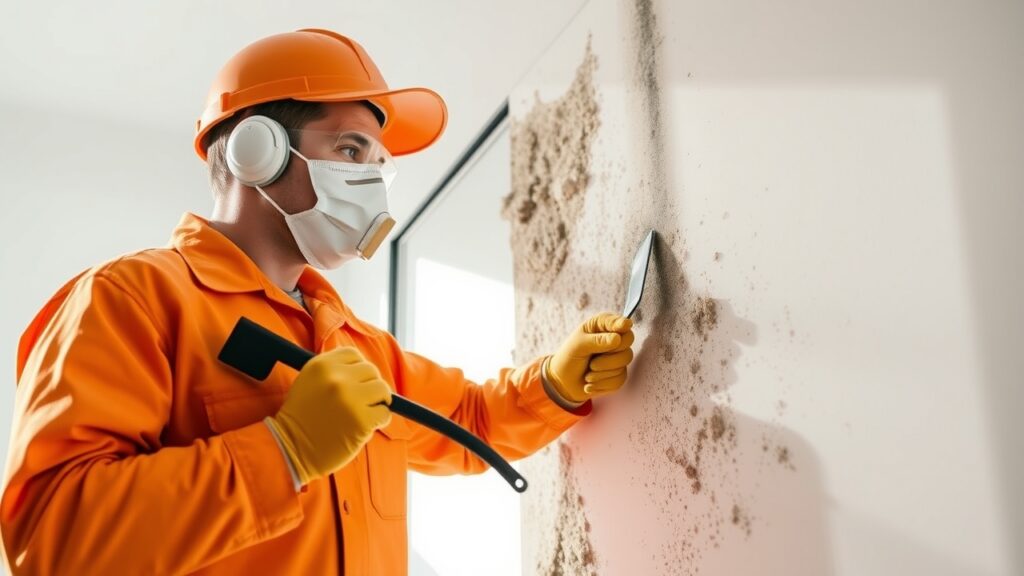
Mold Remediation Process Steps in Miami, FL: What Really Happens When You Call a Pro
So you just spotted some suspicious black or green patches creeping up on your walls, or maybe a musty smell that won’t quit. Around here in Miami, FL, mold isn’t just a nuisance—it can be a health hazard and a structural threat. You might be wondering what the mold remediation process steps actually involve, or how professional mold removal works down in this humid city.
Let me walk you through what I do when I get a call—whether it’s a Miami Beach condo or a storefront in Midtown. I handle everything from small residential spots to full-scale commercial mold remediation. You deserve to know what’s going on behind the scenes when someone says they’re “remediating” your mold. Resources like federal regulations can help.
The mold remediation process in Miami, FL begins with a professional inspection and mold assessment, followed by containment and removal of contaminated materials. Technicians then clean and sanitize affected areas, apply antimicrobial treatments, and use specialized equipment to dry the space thoroughly, ensuring mold does not return. A final clearance test confirms the environment is safe and mold-free.
That First Sighting: Signs of Mold Infestation in Your Miami Home
Most times, people call me when they’ve noticed visible mold—usually black or dark green splotches—and a persistent smell that won’t go away. But sometimes it’s more subtle. I had a customer in Edgewater who called me after their kids started complaining about allergies, and their walls near the AC unit felt damp. A quick mold inspection and testing in Miami confirmed hidden mold behind the drywall.
Understanding the difference between mold remediation and removal is key. Removal might sound like I’m just wiping stuff off, but remediation is about addressing the root cause—fixing moisture issues, containing the mold, and cleaning the air. That’s why I always recommend starting with a proper inspection and testing before jumping into cleanup.
How Professional Mold Removal Services Handle It
The short answer? Mold cleanup is a careful, multi-step process—and there’s no cutting corners. Here’s what I do:
- Assessment and Testing: Identifying the type and extent of mold, usually with air sampling and surface tests.
- Setting Up Mold Containment and Negative Air Pressure: This keeps mold spores from spreading to other parts of your home or business. I seal off the affected areas and use specialized equipment to maintain negative air pressure inside the containment zone.
- HEPA Filtration: I run air scrubbers with HEPA filters to trap microscopic spores floating around. It’s the best way to clean the air during and after the work.
- Removal of Moldy Materials: Sometimes this means cutting out drywall, insulation, or other porous materials that mold has invaded.
- Cleaning and Disinfecting: All surfaces get cleaned with antimicrobial solutions to kill remaining mold and prevent regrowth.
- Drying and Repairs: Moisture control is everything in Miami’s humid climate. I use industrial dehumidifiers to make sure everything dries thoroughly before sealing and repairing.
Most jobs I do around here take between one and three days, depending on the size of the infestation. A small bathroom cleanup might be done in half a day, but a larger commercial mold remediation in one of the warehouses near Little Havana could take a week or more.
Why Miami’s Heat and Humidity Make Mold Remediation Tricky
Miami’s climate is a breeding ground for mold. High humidity, frequent rain, and old buildings with poor ventilation all contribute. I remember a job in the Art Deco Historic District where the constant dampness in an original plaster wall had gone unnoticed for months. The homeowner thought it was just a leaky pipe, but by the time I arrived, the mold had spread extensively behind the walls.
Because the moisture is often hidden and persistent, mold containment and negative air pressure are vital. Without it, spores will simply spread to other rooms or neighboring units, making the problem worse. That’s why HEPA filtration in mold remediation isn’t optional here—it’s standard on every job I handle.
Also, Miami’s building codes require licensed professionals for mold cleanup in commercial properties. This means if you’re a business owner in South Beach or Design District, hiring certified experts isn’t just smart—it’s the law.
How to Spot a Good Mold Remediation Team vs. Red Flags
People ask me all the time: “How do I know if the company I’m calling actually knows what they’re doing?” Here’s what I tell them:
- Ask if they use proper containment with negative air pressure. Without this, spores spread everywhere.
- Check if they have HEPA filtration equipment. This saves your indoor air quality during cleanup.
- Are they licensed and insured here in Miami, FL? If they dodge this question, that’s a warning.
- Do they offer mold inspection and testing? A thorough job starts with knowing exactly what you’re dealing with.
- Beware of companies that promise quick fixes. Mold remediation is a process, not a magic spray.
What about the cost of mold remediation in Miami—what should I expect?
Honestly, the price varies a lot. I’d say 4 out of 10 calls I get in summer spring from water leaks or storms, which tend to push costs higher due to the extent of damage. Most of these run somewhere in the $1,000 to $5,000 range, depending on size and severity. But I always give a clear estimate upfront after inspection.
Is it safe to try DIY mold removal?
For tiny patches on non-porous surfaces, maybe. But for anything bigger, or inside walls, it’s risky both for your health and property. Mold removal health risks include respiratory issues, allergic reactions, and sometimes serious infections, especially with black mold. Plus, without proper containment, you’ll just spread it around.
How to Prevent Mold Growth in Miami’s Unique Environment
Once the mold is gone, you want to keep it gone. Here’s what I recommend after a cleanup:
- Fix leaks and improve ventilation to cut down moisture buildup.
- Use dehumidifiers, especially during rainy seasons or in spaces like basements and crawl spaces.
- Keep AC units maintained to prevent condensation and water buildup.
- Regularly check humidity levels—aim for under 60% inside.
I put together some tips on how to identify black mold in Miami, FL if you want to get familiar with what to watch for.
Wrapping Up: When You Need Mold Cleanup and Restoration Services in Miami
Miami’s climate makes mold a constant threat, but it’s manageable with the right approach. If you’re dealing with visible mold, musty smells, or unexplained health symptoms, don’t wait. Mold remediation isn’t just about wiping it away—it’s about controlling the environment and preventing future growth.
If you’re in Edgewater, Key Biscayne, or anywhere around the city and need professional mold removal services, my team and I handle everything from inspection to full restoration. We work with homeowners and businesses alike—whether it’s a South Beach condo or a commercial space near Pérez Art Museum.
Reach out before mold gets the upper hand. I’m happy to answer your questions about mold remediation services in Miami, FL and what it really takes to keep your property safe and healthy.