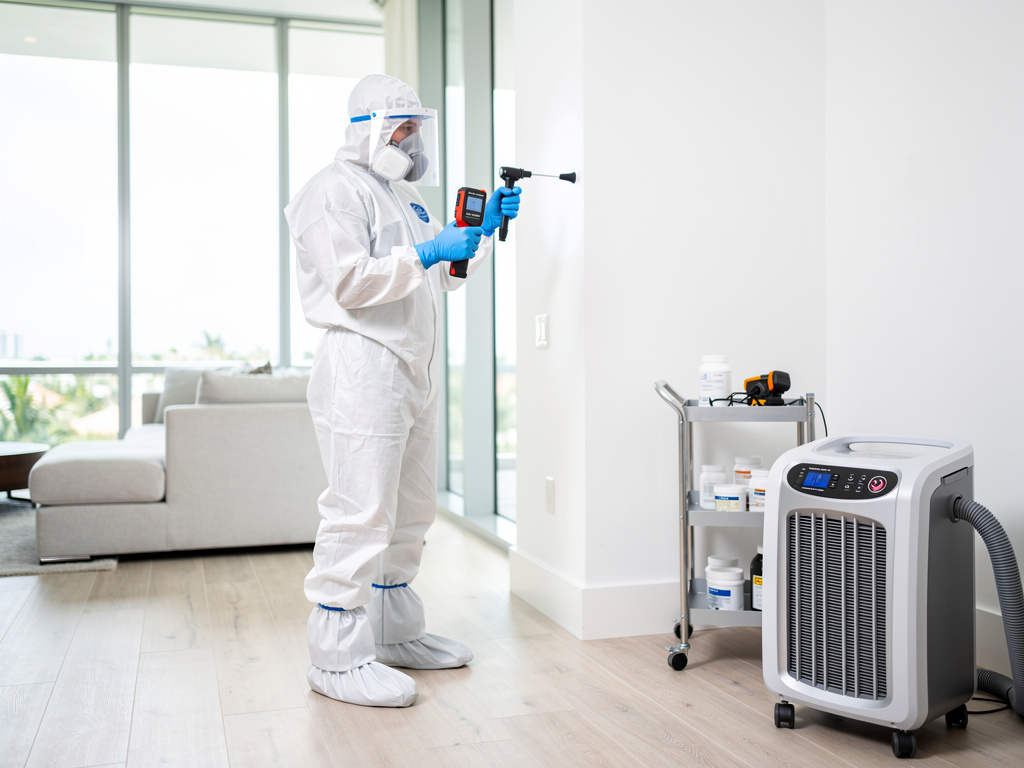
Signs of Mold Infestation in Miami Homes and How to Detect Them
Living in Miami means dealing with heat, humidity, and yes, mold. Our tropical climate creates the perfect storm for mold growth, especially in homes that don’t get enough airflow or have hidden moisture issues. Our team knows that mold often hides beyond the obvious black or green patches on walls. In Miami neighborhoods like Wynwood and Little Havana, older buildings and high humidity levels mean mold can sneak in through air conditioners, plumbing leaks, or even behind paint and drywall. If you’re smelling a musty odor in your air-conditioned home, or constantly battling allergy symptoms that disappear when you leave, these could be subtle signs that mold is taking hold. In this post, we’ll walk you through the key signs of mold infestation specific to Miami homes and how to detect them before they cause bigger problems.
Signs of mold infestation in Miami homes include persistent musty odors even with clean HVAC systems, recurring water stains, peeling paint or bubbling drywall, and allergy symptoms that improve outside the home. Detect these by carefully inspecting moisture-prone areas in each room and using mold test kits as a preliminary tool, but for accurate diagnosis, call a professional mold inspector or remediator.
Musty Smell in Air-Conditioned Miami Homes: More Than Just Old Building Odor
One of the first subtle signs of mold infestation in Miami homes is a persistent musty smell, especially when the home is air-conditioned. Miami’s humidity means AC systems work hard to keep interiors comfortable, but they can also become breeding grounds for mold if not maintained properly. A clean HVAC system should not emit any musty odors.
Our team has encountered this many times, including a Wynwood loft owner who assumed the smell was just the ‘old building smell’ common in historic Miami neighborhoods. But the odor was actually mold growing in the ductwork and behind drywall. The smell is often described as damp, earthy, or stale, signaling mold spores circulating through your home’s air.
- Why It Happens: Moisture accumulates in AC drip pans or ductwork, creating an ideal environment for mold.
- How to Detect: If you notice that musty odor when the AC is running, even without visible mold, this is a red flag.
- What to Do: Schedule an HVAC inspection and mold assessment to target hidden mold sources.
Ignoring these odors can lead to worsening indoor air quality and health issues, so being proactive is key in Miami’s climate.
Allergy Symptoms That Improve When Leaving Your Miami Home
Another important sign of mold infestation in Miami homes is allergy-like symptoms that worsen indoors but improve when you leave the house. Our team has seen clients from neighborhoods like Little Havana report chronic sneezing, itchy eyes, and respiratory irritation that disappear during vacations or even just a few hours outside their home.
Mold spores act as allergens and irritants, especially in humid Miami environments where mold is prevalent year-round. These symptoms are often mistaken for seasonal allergies or colds, making it harder for homeowners to pinpoint mold as the cause.
- Symptoms to Watch For: Sneezing, coughing, nasal congestion, skin irritation, and watery eyes.
- Room-Specific Indicators: Symptoms intensify in bedrooms or basements where mold often hides.
- Detection Tip: Keep a symptom diary noting when symptoms improve outside and worsen inside.
If you notice this pattern, consider a mold inspection to confirm if spores are the culprit and prevent prolonged health impacts.
Water Stains, Peeling Paint, and Bubbling Drywall: Visual Clues Beyond Mold Patches
While visible mold patches are an obvious indicator, many Miami homeowners miss other visual signs that signal hidden mold growth. Persistent water stains on ceilings or walls that reappear despite repainting can mean ongoing moisture problems feeding mold behind surfaces.
Peeling paint and bubbling drywall are also telltale signs. In Miami’s humid climate, moisture trapped inside walls causes paint to lose adhesion and drywall to swell, creating these unsightly effects. Our team has remediated many cases where what seemed like cosmetic damage was actually a sign of serious mold infestation behind the walls.
- Common Areas in Miami Homes: Bathrooms, kitchens, and areas near windows or plumbing fixtures.
- Hidden Mold Risks: Mold growing behind wallpaper, drywall, or under floor tiles.
- What to Do: Don’t just paint over stains—investigate the moisture source and get a professional assessment.
Addressing these visual clues early can save Miami homeowners from costly repairs and health risks down the line.
Room-Specific Signs of Mold Infestation in Miami Homes
Different rooms in Miami homes can show distinct signs of mold infestation based on their function and moisture exposure. Here’s what to look for in each:
- Bathrooms: Persistent condensation on mirrors and tiles, dark spots on grout lines, and musty odors.
- Kitchens: Mold growth near sinks, under cabinets, and behind refrigerators where leaks occur.
- Bedrooms: Allergy symptoms worsen here, and mold can grow behind baseboards or inside closets with poor ventilation.
- Basements and Crawlspaces: Standing water, damp earth smell, and peeling paint are common signs.
- Attics: Mold growth on insulation material or wood framing due to roof leaks or poor ventilation.
Knowing these room-specific signs helps Miami homeowners target inspections and remediation more effectively.
DIY Mold Test Kits: What They Reveal and Their Limitations
DIY mold test kits are popular among Miami homeowners wanting quick answers. These kits typically collect air or surface samples to detect mold spores, but it’s important to understand what they can and cannot tell you.
- What They Reveal: Presence of mold spores in the sampled area, sometimes identifying general types of mold.
- What They Don’t Reveal: Exact location or extent of mold growth, moisture sources, or health risks associated with the mold.
- Limitations: Results can be inconclusive or misleading without professional interpretation, especially in humid Miami conditions where mold spores are common outdoors.
Our team recommends using DIY kits as a preliminary step but following up with a professional mold inspection to accurately diagnose and remediate mold problems in Miami homes. For detailed help, check out our mold inspection services.
Frequently Asked Questions
Contact Miami Mold Remediation Pros
If you suspect mold in your Miami home, don’t wait. Call Miami Mold Remediation Pros at (645) 241-5434 for expert assessment and fast, effective solutions.
Miami Mold Remediation Pros
📍 4300 Biscayne Blvd STE 203, Miami FL
📞 (645) 241-5434
🌐 https://miamimoldremediation.us