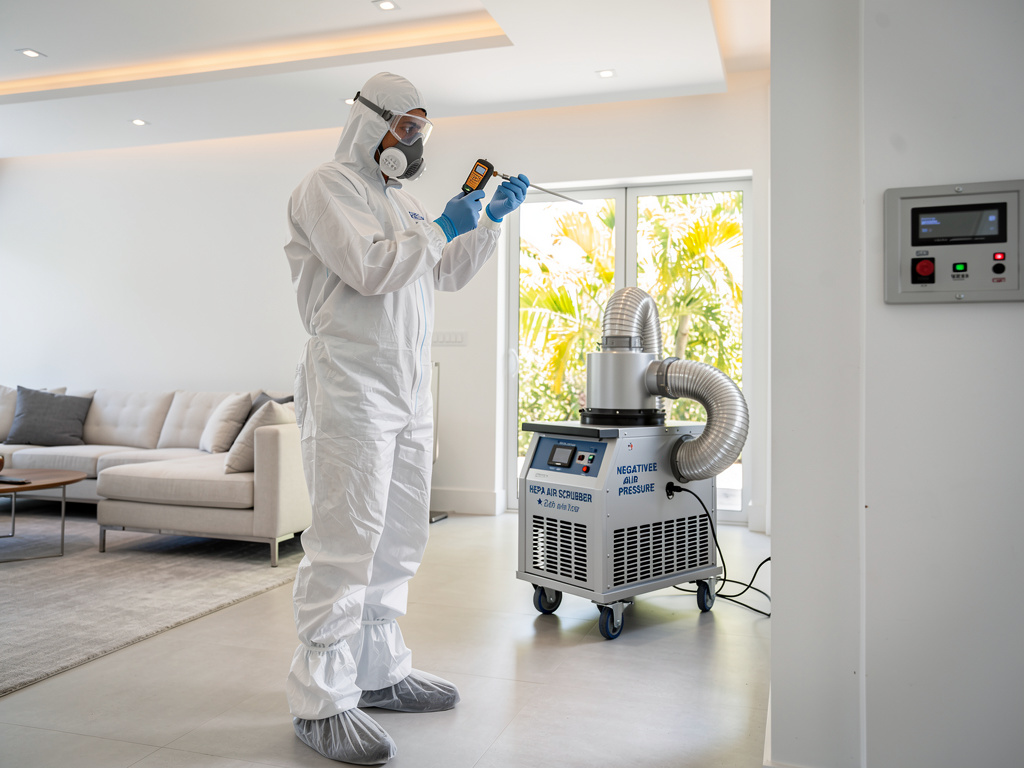
Wall and Ceiling Mold in Miami Homes: Hidden Moisture Sources
Miami’s tropical climate creates a unique challenge for homeowners, especially when it comes to hidden mold growth inside walls and ceilings. After completing mold remediation jobs across Miami, our team has seen firsthand how slow leaks and unseen moisture can silently damage homes. Many Miami residences, particularly in Coral Gables and Coconut Grove, suffer from mold behind drywall and inside ceiling cavities, which often goes undetected until the problem becomes severe and costly. This blog post dives into the common hidden moisture sources fueling wall and ceiling mold in Miami homes, why they are so difficult to detect, and what homeowners can do to prevent extensive damage. Understanding these issues is critical to protecting your home’s structural integrity and your family’s health.
Wall and ceiling mold in Miami homes often results from hidden moisture sources like slow roof leaks, plumbing condensation, and sweating pipes, which go unnoticed until significant damage occurs. Homeowners in Coral Gables and Coconut Grove should have their ceilings inspected regularly using moisture meters and thermal cameras to catch mold early and avoid expensive remediation.
How Slow Roof Leaks Saturate Ceiling Insulation Undetected
One of the most insidious sources of wall and ceiling mold in Miami homes is slow roof leaks that gradually saturate ceiling insulation without obvious signs. Miami’s heavy rains and frequent storms can cause minor breaches in concrete tile roofs common in neighborhoods like Coral Gables and Coconut Grove. Unlike a sudden roof collapse or visible water stains, these slow leaks allow water to seep into ceiling cavities over months or even years. The saturated insulation creates the perfect environment for mold spores to grow, hidden behind drywall and above ceilings out of sight.
Because roof leaks often occur in small amounts, homeowners might not notice dripping water or puddles below. Instead, the moisture becomes trapped in the ceiling cavity, feeding mold colonies that deteriorate wood framing and drywall. Over time, this hidden mold growth can cause structural damage and trigger allergies or respiratory problems for residents. Detecting these leaks early requires specialized tools like thermal imaging cameras that reveal cold spots where moisture accumulates and moisture meters that measure elevated dampness in ceiling materials. We recommend Miami homeowners schedule ceiling inspections every 2-3 years, especially in areas with concrete tile roofs prone to slow leaks.
Plumbing Supply Line Sweating on Concrete Block Walls: A Miami Slab Construction Challenge
Miami’s prevalent slab-on-grade construction presents a unique mold problem: plumbing supply lines sweating against concrete block walls inside interior wall cavities. Unlike homes with crawl spaces, Miami slab foundations mean water and humidity can easily condense on cold plumbing pipes embedded or running close to concrete block walls. This condensation, often overlooked, saturates the surrounding drywall and framing, creating a chronic moisture source that leads to mold growth inside walls.
In humid Miami summers, cold water pipes can sweat profusely, especially if not properly insulated. This hidden moisture is difficult to detect because there may be no visible leaks or water stains on walls until mold colonies have already established. Homeowners in Coral Gables and Coconut Grove can benefit from exploratory openings to examine wall cavities near plumbing, combined with moisture meter readings to assess dampness levels. Addressing pipe insulation and ventilation can reduce sweating, but early detection is key to preventing costly mold remediation.
Condensation on Cold-Water Pipes in Summer Creating Chronic Wall Moisture
Another common source of hidden moisture behind walls and ceilings in Miami homes is condensation on cold-water pipes during the hot, humid summer months. As warm Miami air meets cold water pipes, moisture condenses on the pipe surface and drips or saturates nearby drywall and framing materials. This persistent, often unnoticed moisture fosters mold growth inside wall cavities over time.
Because this condensation occurs inside enclosed wall spaces, it is frequently missed during routine visual inspections. However, chronic dampness behind drywall can lead to musty odors, peeling paint, and eventually structural decay if untreated. Our team uses thermal cameras to detect temperature differentials indicating condensation zones and moisture meters to quantify dampness levels. Regular inspections in Miami neighborhoods with older plumbing systems, such as Coconut Grove, are vital to catch these hidden moisture issues before mold spreads.
Detection Methods: Moisture Meters, Thermal Cameras, and Exploratory Openings
Detecting wall and ceiling mold fueled by hidden moisture sources in Miami requires more than just a visual check. Our team relies on a combination of advanced detection methods to uncover problems early and accurately map mold-affected areas.
- Moisture Meters: These handheld devices measure moisture content in drywall, wood framing, and insulation. Elevated readings indicate areas where water intrusion or condensation is present.
- Thermal Imaging Cameras: Thermal cameras detect temperature variations behind walls and ceilings, revealing cold spots caused by moisture accumulation or leaks invisible to the naked eye.
- Exploratory Openings: When instruments suggest hidden moisture, carefully created openings in drywall or ceiling panels allow direct inspection of insulation, framing, and wall cavities to assess mold presence and damage extent.
For Miami homeowners, especially those in Coral Gables and Coconut Grove with concrete tile roofs and slab foundations, scheduling professional mold inspections every few years can identify hidden moisture before it leads to expensive remediation. Visit our mold inspection services page to learn more about our detection technologies and inspection process.
Why Miami Homeowners Should Have Ceilings Checked Regularly
Given the unique construction methods, climate conditions, and roofing styles in Miami, regular ceiling and wall inspections are essential for homeowners to prevent hidden mold problems. Neighborhoods like Coral Gables and Coconut Grove have many older homes with concrete tile roofs and slab foundations, increasing susceptibility to slow leaks and hidden moisture sources.
Regular inspections every 2-3 years allow early detection of moisture buildup from roof leaks, plumbing condensation, or pipe sweating before mold spreads extensively. Proactive maintenance can prevent the costly, disruptive mold remediation jobs we frequently encounter after mold has deeply penetrated wall and ceiling cavities. Our team at Miami Mold Remediation Pros recommends incorporating ceiling checks into your home maintenance routine to protect your investment and health.
By catching hidden moisture early with moisture meters and thermal cameras, and addressing sources like pipe insulation or roof repairs promptly, Miami homeowners can avoid the high cost and inconvenience of late-stage mold remediation. For assistance, contact our experts for a thorough mold inspection and remediation plan tailored to Miami’s unique challenges.
Frequently Asked Questions
Contact Miami Mold Remediation Pros
Don’t wait until hidden mold damages your Miami home. Call Miami Mold Remediation Pros today at (645) 241-5434 for expert inspections and fast, reliable remediation.
Miami Mold Remediation Pros
📍 4300 Biscayne Blvd STE 203, Miami FL
📞 (645) 241-5434
🌐 https://miamimoldremediation.us