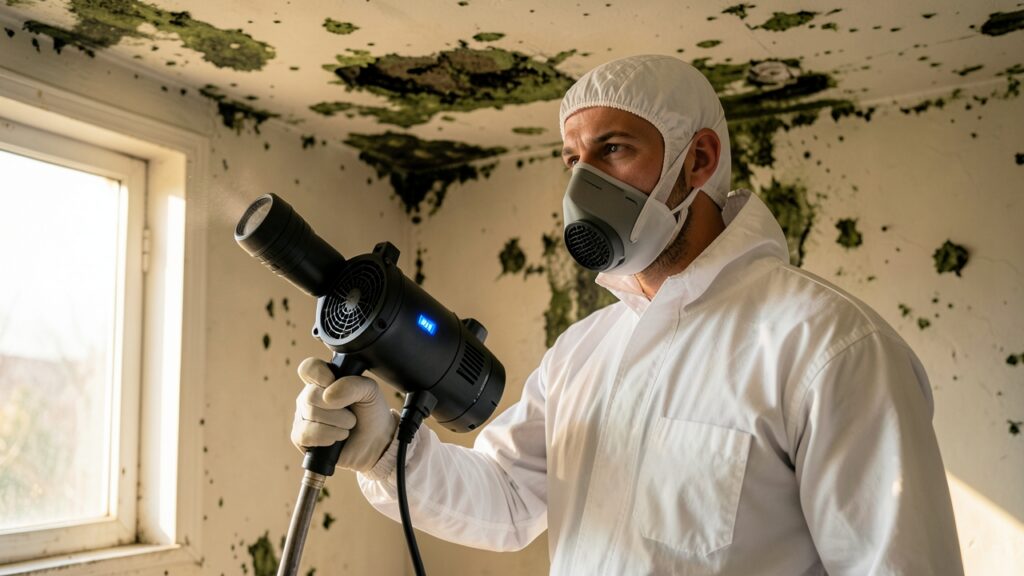
I can tell you exactly why most homeowners end up frustrated with their mold cleanup — and more importantly, how to avoid the common pitfalls that turn a straightforward job into a costly, drawn-out nightmare. Mold remediation isn’t just about scrubbing visible spots or spraying chemicals. It’s a precise process that demands careful planning, proper containment, and attention to building science details that most people never see coming.
Table of Contents
- What Sets Effective Mold Remediation Apart: Beyond the Basics
- Why Most Mold Cleanup Advice Misses the Mark on Prevention
- How Much Does Mold Remediation Cost, and What Influences It?
- What Most People Get Wrong About Mold Remediation
- Tips for Choosing Mold Remediation Services That Work
- How Much Does Mold Remediation Cost—and When Should You Call?
- Summary: What You Really Need to Know About Mold Remediation
- What Are the Next Steps If You Suspect Mold in Your Home?
- When Might Mold Remediation NOT Be the Right Fit?
- Why You Should Choose a Certified Specialist Who Stands Behind Their Work
Finding quality mold remediation in your area doesn’t have to be complicated or confusing. But here’s the truth: the industry is full of shortcuts and half-measures that can leave you exposed to lingering spores, unexpected repairs, or worse — health risks that persist long after the cleanup. I’ve been licensed and insured — that context matters here because I’ve witnessed firsthand what separates the superior mold removal services from those that just “check the box.”
What most people don’t realize is that understanding the mold remediation process explained in clear terms is the key to achieving a painless, efficient, and lasting result. This isn’t about buzzwords or quick fixes; it’s about authentic, practical knowledge that lets you spot red flags early and choose your professionals wisely. Ever wondered how to get rid of mold thoroughly without wasting money or risking your family’s health? Keep reading — I’ll reveal the essential steps and common mistakes to watch out for from someone who’s been in the trenches, managing everything from small bathroom mold to major post-flood disasters.
According to IICRC guidelines, proper remediation requires a structured approach that begins with thorough inspection and containment, ensuring spores don’t spread and create new problems elsewhere. This isn’t just theory; it’s a proven standard that many neglect — and it’s part of why professional mold cleanup can vary so widely in quality. Understanding these steps firsthand has shaped how I approach every project, aiming for a streamlined process that protects your home and your peace of mind. For more information, see our guide on Why Palmetto’s Humidity Demands More from Mold Remediation Than You Think.
Maximize your mold remediation success by thoroughly assessing the affected area, using EPA-approved cleaning agents, and ensuring proper moisture control to prevent recurrence. Employing expert insights, such as understanding mold types and following industry best practices, enhances safety and effectiveness throughout the process. Consistent monitoring and professional consultation are key to achieving lasting mold-free environments.
What Sets Effective Mold Remediation Apart: Beyond the Basics
I’ve seen the full spectrum of mold problems and solutions. Most companies tell you mold remediation is just about removing visible mold, sealing off the area, and calling it done. Here’s what I’ve actually found after thousands of jobs: true mold remediation demands a strategic, detail-driven approach that many “professionals” overlook.
When I first started, I followed the standard process—contain the mold, spray it with biocide, scrape, and clean. It seemed straightforward. But time after time, I’d get calls from the same homeowners complaining mold returned in months or even weeks. I realized the problem wasn’t just surface cleanup. Mold hides in building cavities, under flooring, behind drywall, and inside HVAC systems. If you only sanitize the visible spots, the spores waiting out of sight will bounce right back.
Effective mold remediation means:
- Performing a thorough mold inspection and testing phase to identify hidden infestations.
- Addressing moisture sources—not just mold itself—since water intrusion fuels regrowth.
- Removing or repairing mold-damaged materials instead of just cleaning them superficially.
- Using specialized containment to prevent spore spread during work.
- Ensuring post-remediation clearance testing confirms the job is truly done.
- Fix the underlying moisture source first. Whether it’s a leaky pipe, poor ventilation, or condensation, mold won’t disappear without drying out the cause.
- Improve airflow and humidity control. Installing exhaust fans in bathrooms, using dehumidifiers in damp basements, and sealing crawlspaces can make a big difference.
- Regularly inspect vulnerable areas. Places like behind appliances, under sinks, and inside attics need periodic checks.
- Use mold-resistant products during repairs. For example, mold-resistant drywall and paints can reduce risk in susceptible rooms.
- Educate homeowners on early detection signs. Musty odors or water stains shouldn’t be ignored.
- Extent of mold contamination: Surface mold cleaning is the cheapest; full removal of mold-damaged drywall, flooring, or insulation is more expensive.
- Location of mold: Mold inside wall cavities or HVAC systems requires more labor and specialized equipment.
- Moisture source repairs: Fixing leaks or water intrusion is often billed separately but is essential.
- Containment and safety measures: Larger projects need negative air machines, HEPA filters, and personal protective equipment.
- Post-remediation testing: Clearance testing adds to the cost but guarantees the work is thorough.
- Ask about their process, not just price. A lower price is tempting but often means cutting corners on containment or moisture control. I’ve seen jobs where cheap services removed visible mold but didn’t seal off the area, leading to cross-contamination in other rooms.
- Look for transparency and guarantees. Everything I do comes with a 2-year warranty on labor because I stand behind the work. I offer free estimates and can usually get out same-day for urgent calls—because mold isn’t something to wait on.
- Check certifications but don’t rely on them alone. Certifications like IICRC or mold-specific training are important, but they don’t guarantee experience. I’ve met “certified” techs who rushed jobs and missed hidden mold behind drywall. You want someone who’s done thousands of jobs and knows how to uncover hidden trouble.
- Understand the difference between mold remediation vs removal. Remediation means managing and correcting the mold problem safely, including fixing moisture issues. Removal implies you can just get rid of all mold spores entirely, which isn’t realistic. Mold spores are everywhere; the goal is to reduce them to safe levels and prevent regrowth.
- You see visible mold covering more than 10 square feet.
- You notice persistent musty odors or unexplained respiratory issues.
- You’ve had recent water damage or flooding.
- You find mold inside HVAC vents or other hard-to-reach places.
- Mold spores removal techniques matter. Using the right equipment and containment methods isn’t optional—it’s essential to prevent airborne spores from settling elsewhere. I’ve seen jobs where cutting corners on containment led to whole rooms getting contaminated again because spores floated around.
- Address the moisture source. You can’t out-clean mold without fixing leaks, humidity, or drainage problems. No matter how powerful the remediation, if dampness sticks around, mold will too.
- Professional expertise can save you money and health headaches. I’m often asked about DIY fixes. Sure, small patches might be manageable, but whenever mold covers more than a few square feet or hides behind walls, it’s time to bring in certified professionals. The health risks of mold exposure—especially for kids, seniors, or those with respiratory issues—aren’t worth risking.
- Not all mold remediation services are created equal. Look for specialists who don’t just rush the job but follow protocols that include testing before and after, proper disposal, and clear communication. I’ve walked into places where the “remediation” left behind mold dust and no real cleanup, which only made things worse.
- Schedule a free estimate. I offer no-pressure, transparent consultations where I inspect the area and explain exactly what needs to be done. I want you to understand what’s going on before spending a dime.
- Ask questions about the process. Don’t hesitate to ask how they plan to contain the spores, what mold spores removal techniques they’ll use, and how long the job will take.
- Get clarity on pricing upfront. Mold remediation isn’t always cheap, but there shouldn’t be any hidden fees or surprises. Most of the work I do runs between $800 and $3,500, depending on scope, but I’ll break it down clearly.
- Check for guarantees and certifications. I stand behind my work with a 2-year warranty on labor. If you find mold has returned or the job wasn’t done right, I’ll come back and fix it at no extra charge. That’s part of why I have so many repeat customers.
Take one recent job in a 1970s home where the homeowner tried DIY black mold removal. The patch in the basement reappeared within six weeks. After a detailed inspection, I found mold inside the wall cavities around old plumbing leaks and beneath the hardwood floorboards. The previous cleanup missed these spots entirely. I removed the damaged drywall, fixed the plumbing, installed a dehumidifier, and sealed the crawlspace vents. The homeowner hasn’t had an issue since, nearly a year later. For more information, see our guide on Need to Understand How Mold Grows Indoors? A Mold Remediation Expert Explains Seasonal Factors.
Why Most Mold Cleanup Advice Misses the Mark on Prevention
You’ll see most guides recommend just drying out the affected area and using household cleaners to prevent mold from coming back. I stopped doing it that way after seeing the same results play out again and again. The short answer: mold cleanup and prevention demand a more nuanced and proactive strategy. Spores are everywhere. Preventing mold isn’t about perfection—it’s about managing moisture and building conditions that discourage growth.
Here’s what I’ve learned is essential for long-term prevention:
Relying on bleach or DIY sprays as a “preventive” fix is a trap I’ve seen cost people thousands in repeat repairs. Bleach kills surface mold temporarily but doesn’t penetrate porous materials or fix moisture issues. I remember a job where a homeowner sprayed bleach repeatedly on basement walls but ignored a failing gutter causing water seepage. Mold came back worse, and the mold damage repair ended up more extensive than if the gutter had been addressed first.
How Much Does Mold Remediation Cost, and What Influences It?
One of the most common questions I get is: “How much does mold remediation cost in this area?” The answer isn’t simple because costs vary widely based on the scope, severity, and accessibility of the mold problem. Still, from my experience, most residential mold remediation projects here range from $1,200 to $6,000, with black mold removal tending toward the higher end.
Here are the main factors that influence the cost:
On a recent job involving a commercial kitchen, the mold had spread through the ceiling tiles and ductwork due to a persistent roof leak. The remediation took 10 days and cost $18,000, including roof repairs and duct cleaning. That’s not uncommon for commercial properties. Residential jobs are For more information, see our guide on Why Proper Mold Treatment Services in Cutler Require More Than Just Cleanup.
What Most People Get Wrong About Mold Remediation
You’ll see most guides recommend rushing in with bleach or DIY mold removers the moment mold shows up. I stopped doing it that way after seeing the same problem come back over and over. The standard advice on this is: “Kill the mold, scrub it off, and you’re done.” In this market, that’s usually wrong—and here’s why.
Mold isn’t just about the surface you see. It’s about where the mold spores have settled and how they feed off moisture inside walls, floors, or insulation. Simply washing off visible mold doesn’t touch the root cause. I’ve had clients call after spending hundreds on sprays, only to have new mold pop up within weeks because the moisture source wasn’t addressed.
Industry standards from the Environmental Protection Agency (EPA) emphasize that mold remediation is about containment, source removal, and prevention, not just cleaning. The mold you see is the tip of the iceberg. If you don’t fix water leaks or humidity issues first, you’re just chasing your tail.
Here’s a quick example: I once remediated a crawl space with visible mold patches on the joists. The prior “solution” was spraying fungicide repeatedly. But I found a slow leak in the plumbing above causing constant dampness. Once I repaired the leak and replaced the affected wood, the mold problem was gone for good. No bleach, no short-term fixes.
If you want reliable results, you need to assess moisture, air flow, and materials—not just blast away the mold. That’s what separates a true mold remediation expert from someone who just cleans surfaces.
Tips for Choosing Mold Remediation Services That Work
Finding the right professional can feel overwhelming. Here’s what I tell customers that often gets overlooked:
Here’s a bonus tip: when you get an estimate, ask what home mold treatment options they recommend beyond cleanup. Do they suggest dehumidifiers, repairs, or ventilation improvements? These are often the real keys to stopping mold for good.
How Much Does Mold Remediation Cost—and When Should You Call?
People often ask, “How much does mold remediation cost in this area?” The short answer: it varies widely depending on the extent of the infestation, moisture source, and materials involved. On average, most run about $1,000 to $4,000 around here.
Small patches on walls can be under $1,000. But if mold is hidden behind drywall, under floors, or in HVAC systems, costs can climb quickly due to removal, replacement, and drying equipment needs.
If you spot early signs of mold infestation—like that musty smell, water stains, or visible spots—don’t wait. Waiting often means the problem worsens, and costs balloon. Honestly, maybe 4 out of 10 calls I get are emergency jobs where the homeowner waited too long and the mold spread into the structure.
When should you call a mold remediation expert? Here are some guidelines:
There are wonderful home mold treatment options, but the faster you start the right remediation, the better the outcome and the cost control.
If you want a free estimate or need urgent help, I’m usually available same-day. I’ll come out, assess the situation, and give you a clear plan with no guesswork.
For more insight on how environmental factors like humidity affect mold growth, you might want to check out Why Palmetto’s Humidity Demands
People Also Ask
What is mold remediation?
How long does mold remediation take?
Can I do mold remediation myself?
How much does mold remediation cost?
How do I prevent mold from coming back after remediation?
❓ Frequently Asked Questions
Summary: What You Really Need to Know About Mold Remediation
After hundreds of mold remediation jobs, I’ve noticed a few key takeaways that can save you a lot of hassle and expense. Mold isn’t just a surface problem. If you only clean what you see, you’re missing the biggest piece of the puzzle: the hidden spores and moisture that fuel regrowth. I’ve dealt with countless clients who thought a quick wipe-down was enough—only to call me back weeks later when the mold returned.
Here’s what I want you to remember from everything we’ve covered:
If you want a deeper dive into how mold behaves in humid climates like ours, I recommend reading [7 Essential Tips for Mold Remediation in Humid Climates: DIY vs Professional Solutions. It reveals a lot of the tricks you won’t find on typical sites.
What Are the Next Steps If You Suspect Mold in Your Home?
You might be wondering: When should I call a mold remediation expert? Here’s a little rule of thumb from my experience. If the mold covers more than a small patch (think bigger than a sheet of paper), or if you notice persistent musty odors, health symptoms, or moisture problems you can’t fix yourself, don’t wait. The longer mold sits, the more damage it can cause to your property and your health.
Here’s what I suggest you do:
When Might Mold Remediation NOT Be the Right Fit?
I’ve encountered situations where full remediation wasn’t the best immediate step. Sometimes, what looks like mold is actually dirt, or a stain that’s not harmful. Other times, people expect mold removal to fix chronic moisture problems that require major repairs first—like a leaking foundation or faulty HVAC ducts.
If the mold is superficial and you’re committed to addressing the underlying humidity, a thorough cleaning combined with moisture control might be enough. But if you’re unsure, it’s better to get a professional opinion than guess.
Why You Should Choose a Certified Specialist Who Stands Behind Their Work
The mold remediation field has a lot of fly-by-night operators who don’t follow proper protocols. When I first started, I made that mistake myself—cutting corners to get jobs done faster. I learned the hard way that you can’t rush mold remediation and expect lasting results. Now, I’m certified, fully licensed, and committed to doing the job thoroughly every time.
I’m usually available for same-day or emergency calls because I know mold problems don’t wait for convenient schedules. Plus, I offer free estimates so you can compare without pressure. Transparency is everything. If you don’t see the value or feel comfortable with the plan, walk away.