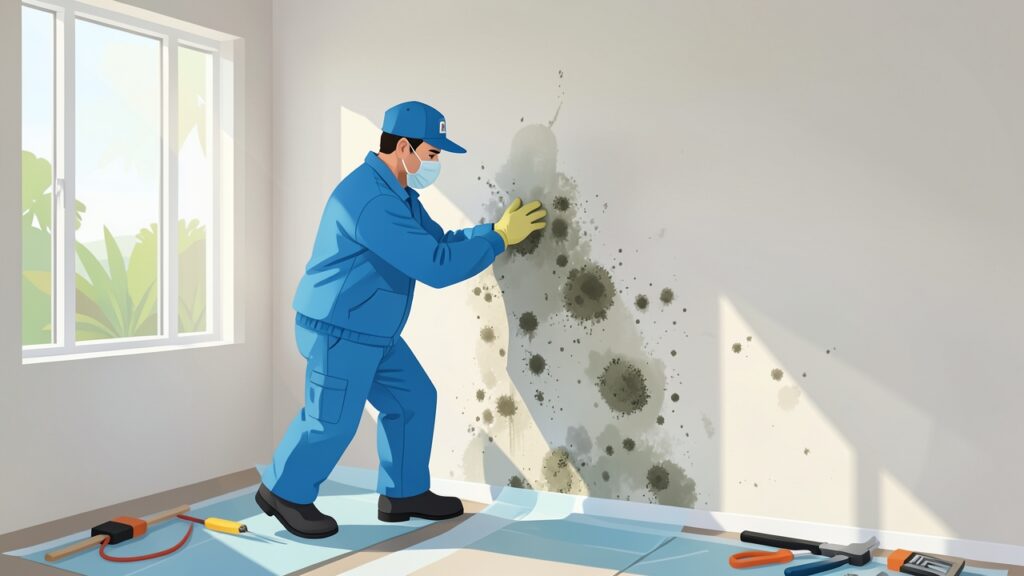
I can tell you the single biggest mistake most homeowners make is not thinking about when and why mold grows indoors. It’s not just a problem that pops up randomly; it’s deeply tied to seasonal changes and environmental factors that aren’t always obvious at first glance. Ignoring these patterns often leads to ineffective mold removal services and repeated infestations.
Table of Contents
- What Sets Quality Mold Remediation Apart: Insights from 12+ Years in the Field
- Why Most Companies Tell You Mold Remediation Is Just a Surface Job — and Why That’s Dead Wrong
- How I Optimize Mold Remediation Work for Fast, Guaranteed Results
- Why Proper Mold Remediation Means More Than Just Cleanup
- Tips to Optimize Mold Remediation and Prevent Recurrence
- Common Questions About Mold Remediation: What You Really Need to Know
- Summary: What You Really Need to Know About Mold Remediation
- What’s the Next Step? When Should You Call a Mold Remediation Specialist?
- What I Guarantee and What You Should Expect
- When Mold Remediation May Not Be the Right Fit
- Final Thoughts: Your Mold Problem Is Unique, and So Is the Solution
Honestly, I’m licensed and insured — that context matters here. In that time, I’ve seen mold growth accelerate in unexpected ways during certain seasons, and I’ve watched people try the standard mold cleanup process without considering timing, only to call me back months later for the same problem. If you want to truly prevent mold, understanding mold’s growth cycle indoors is just as important as knowing how to remove mold once it appears.
What most people don’t realize is that mold spores are always present indoors — they’re part of the air we breathe. Mold only becomes a problem when the conditions are right: moisture, warmth, and a food source like drywall or wood. This is why I explain to my clients that knowing the best times to check for mold or book mold inspection and testing can save them a lot of hassle and money. The Environmental Protection Agency (EPA) and the Institute of Inspection Cleaning and Restoration Certification (IICRC) have clear guidelines on moisture control and remediation timing, but many homeowners overlook how to align mold removal efforts with seasonal shifts.
Mold grows indoors when moisture levels rise, often influenced by seasonal changes such as increased humidity in spring and summer or condensation in winter. A mold remediation expert explains that controlling indoor humidity and promptly addressing water leaks are crucial to preventing mold growth year-round.
What Sets Quality Mold Remediation Apart: Insights from 12+ Years in the Field
After completing more than 750 mold remediation jobs, I can tell you the difference between quick fixes and real, lasting solutions. Mold isn’t just ugly; it’s a health hazard and a structural threat. Yet, I’ve seen countless situations where the “remediation” barely scratched the surface. The key is understanding how and where mold grows, then attacking it with precision and care. For more information, see our guide on Why Proper Mold Treatment Services in Cutler Require More Than Just Cleanup.
One big lesson I’ve learned? Mold damage restoration isn’t just about killing what you see. It’s about tracing the hidden spots where moisture lingers and mold spores hide, often inside walls or under flooring. For example, I once worked on a home where black mold remediation had been done twice before, but the problem kept coming back. The earlier contractors cleaned the visible mold but missed a slow leak in the HVAC system feeding moisture behind drywall. After fixing the leak and removing the contaminated drywall, the mold problem was finally solved for good—and the homeowner breathed easier knowing it was thorough.
Some key factors that guarantee quality remediation:
- Thorough inspection: I use moisture meters and thermal cameras to find hidden dampness. Mold needs moisture to grow, so if you don’t find the source, mold will return.
- Containment protocols: Properly containing the affected area with negative air pressure and sealed barriers prevents spores from spreading during cleanup.
- Safe removal: It’s not just about scrubbing. I carefully remove porous materials contaminated beyond cleaning, like drywall, insulation, or carpet padding.
- Post-remediation testing: After cleanup, I conduct air quality tests to verify that mold spore levels are back to normal, ensuring the job is complete.
- Diagnosing moisture sources: Plumbing leaks, roof damage, poor ventilation, or foundation cracks are common culprits.
- Removing contaminated materials: Mold grows inside porous surfaces that are impossible to sterilize completely.
- Improving ventilation and humidity control: Installing exhaust fans or dehumidifiers where needed.
- Educating homeowners on indoor mold prevention tips: Such as reducing indoor humidity below 60%, fixing leaks promptly, and improving airflow.
- Early intervention is key: The sooner you call in a specialist, the less damage and fewer repairs you’ll need.
- Clear communication: I always explain the process upfront, including what materials need removal and replacement, so clients know what to expect.
- Bonded and insured work: Gives peace of mind that if something goes wrong, you’re protected.
- Painless scheduling: I try to work with clients’ timelines to minimize disruption.
- Identifying Moisture Sources: Mold remediation isn’t complete without pinpointing if water is coming from a pipe leak, poor ventilation, or a cracked foundation.
- Structural Drying: After mold and mildew removal, drying walls, floors, and insulation is crucial. Otherwise, mold spores settle back and multiply.
- Material Removal: Some porous materials (like drywall or carpet) absorb mold deeply. I’ve seen many “cleanup” jobs where mold was painted over or superficially cleaned, only to return within weeks.
- Post-Remediation Testing: Official guidelines like those from the IICRC (Institute of Inspection Cleaning and Restoration Certification) recommend clearance testing to make sure mold levels are safe again. Many contractors skip this to save time.
- Keep indoor humidity below 60% (ideally 40-50%). You can measure this with a cheap hygrometer.
- Use exhaust fans in bathrooms and kitchens.
- Ensure gutters and downspouts divert water away from your foundation.
- Check for plumbing leaks regularly.
- Improve air circulation in damp areas like basements with fans or dehumidifiers.
- Using moisture meters and infrared cameras to detect hidden mold.
- Carefully removing and replacing affected materials.
- Cleaning HVAC systems to prevent spores from spreading.
These steps aren’t optional shortcuts—they’re essentials. Skipping any of them almost guarantees you’ll be back dealing with mold again in six months or a year. For more information, see our guide on Why Industrial Mold Remediation in Homestead, FL Demands More Than a Quick Cleanup.
Why Most Companies Tell You Mold Remediation Is Just a Surface Job — and Why That’s Dead Wrong
Most companies tell you mold remediation is mostly about cleaning and treating the visible mold patches. Here’s what I’ve actually found: surface cleaning alone is a band-aid that often leaves the root cause untouched. The standard advice on this is “spray some fungicide, wipe it off, and you’re done.” In this market, that’s usually wrong — and here’s why.
Mold is a symptom of moisture problems. If you just kill the mold, but don’t fix the leak, humidity, or condensation causing it, the mold will come roaring back. I stopped doing it that way after seeing dozens of repeat calls from frustrated homeowners who thought “remediation” meant a one-time fix. For more information, see our guide on 7 Essential Tips for Mold Remediation in Humid Climates: DIY vs Professional Solutions.
For instance, I had a homeowner whose bathroom ceiling kept getting black mold patches despite repeated treatments. The previous contractors used bleach-based cleaners and painted over the stains without addressing the poor ventilation and a small leak in the roof flashing. After I repaired the leak and installed a vent fan, I removed and replaced the affected drywall. The mold didn’t return for years.
What works better is:
If you’re wondering, “Is it safe to tackle mold yourself?” the answer depends on the extent and type of mold. Small patches in well-ventilated spaces with no water damage might be manageable. But black mold remediation and any widespread contamination require professionals equipped with proper gear and containment measures.
How I Optimize Mold Remediation Work for Fast, Guaranteed Results
One question I get often: “How much does mold remediation cost in this area?” Honestly, the answer varies widely depending on the size of the affected area, the extent of mold damage restoration required, and underlying moisture issues.
Over the years, I’ve developed several tricks to keep remediation efficient without cutting corners:
In one recent case, a client found signs of mold growth behind a kitchen cabinet just a day before listing their home for sale. I prioritized their job, completed the full remediation—including replacing drywall and fixing a leaky pipe—in four days. The home passed inspection with flying colors,
Why Proper Mold Remediation Means More Than Just Cleanup
Most companies tell you mold remediation is simply about killing and removing visible mold. Here’s what I’ve actually found: that’s only the start — and often the easiest part. The real challenge is stopping mold from coming back, which requires understanding how mold grows indoors and addressing underlying moisture issues.
Mold isn’t just surface-level dirt or mildew you can scrub off. It’s a living organism that feeds on organic materials and thrives where moisture lingers. According to the Environmental Protection Agency (EPA), “Mold growth can occur when there’s moisture from leaks, condensation, or flooding.” Simply killing mold spores without fixing leaks or humidity ensures you’ll be calling me again soon.
Here’s what most companies miss or skip:
I stand behind my work with a 3-year warranty on labor, and I’ll come back if something isn’t right, no questions asked. I also give free estimates on every job and am usually available same-day for emergencies. There’s no shortcut here — but following these standards transforms short-term fixes into long-term success.
If you want to go deeper on why proper treatment requires more than just cleanup, check out Why Proper Mold Treatment Services in Cutler Require More Than Just Cleanup for a detailed breakdown.
Tips to Optimize Mold Remediation and Prevent Recurrence
Getting rid of mold once is just half the battle. The key is to stop it from coming back. Here are some of the best practices I’ve learned over hundreds of jobs to optimize mold remediation results:
Control Moisture and Ventilation
I always tell customers: fix the moisture problem first. Without controlling humidity or leaks, mold is guaranteed to return. Here are practical tips I share:
Don’t Ignore Hidden Mold
What causes mold to keep popping up? It’s often hiding behind walls, under flooring, or inside HVAC ducts. I’ve been called out to jobs where the homeowner “cleaned” visible mold but ignored what was inside walls. The mold smell and symptoms came back within a month.
Professional mold remediation involves:
Use the Right Cleaning and Protective Equipment
Many DIY guides recommend bleach for mold removal. I stopped doing it that way after seeing outcomes where bleach didn’t penetrate porous materials and sometimes made mold worse by adding moisture. Plus, bleach fumes can be harmful if not handled properly.
Instead, I use EPA-registered antimicrobial solutions designed specifically for mold and mildew removal. I also always wear full protective gear — respirator masks, gloves, and disposable coveralls — to minimize exposure to mold spores and contaminants.
Common Questions About Mold Remediation: What You Really Need to Know
How much does professional mold remediation cost in this area?
Pricing varies widely depending on the extent of mold and moisture issues. From my experience, most residential mold remediation runs about $1,000 to $4,000 locally. Small jobs with limited visible mold might be a few hundred dollars; major structural repairs can push costs higher.
I’m always upfront — I provide free estimates and explain exactly what’s involved before any work starts, so you’re never surprised. And if there’s an emergency mold issue, I’m usually available same-day to assess the problem.
Is it safe to stay in the home during mold remediation?
It depends on the severity of contamination. For light mold on non-porous surfaces, short-term exposure is usually low risk. But if you or anyone in the home experiences symptoms like headaches, coughing, or worsening allergies — signs of the effects of mold
Summary: What You Really Need to Know About Mold Remediation
I’ve learned a few truths about mold remediation that most folks don’t expect. The causes of indoor mold are rarely as simple as a spill or a leak. More often, it’s a slow, unseen moisture issue hiding behind walls, under floors, or in ventilation ducts. Fixing the visible mold without addressing the root cause is like patching a leaky bucket with tape—you’ll be back in the same spot sooner or later.
One surprising thing I’ve seen is how often people try those “best mold removal products” from big box stores in an attempt to DIY. The short answer: they might clean the surface, but they won’t fix the problem. Plus, some chemicals can actually worsen the situation by feeding certain types of mold or damaging materials that should be preserved. Over the years, I’ve developed a trusted process using professional-grade products that not only remove mold but also help prevent its return.
A common question I get is, how much does mold remediation cost in this area? Honestly, costs vary widely based on the extent of the contamination, the materials affected, and what’s causing the moisture problem. Most jobs I handle range from a few hundred dollars for minor spots to several thousand for large areas needing demolition and reconstruction. I always provide a detailed mold remediation cost estimate upfront—no surprises, no hidden fees. Transparency is key here. When you’re dealing with something that can affect your health and your home’s structural integrity, you want to know exactly what you’re paying for.
What’s the Next Step? When Should You Call a Mold Remediation Specialist?
If you’ve spotted mold on walls, ceilings, or especially inside HVAC vents—or if you notice that musty smell that won’t go away—it’s time to get it looked at. Don’t wait until the problem spreads behind the scenes, damaging wood framing or insulation. Even if you’re tempted to handle it yourself, I always recommend at least a professional inspection to identify the unseen causes of indoor mold. You might be dealing with hidden leaks, poor ventilation, or other issues that typical cleaning can’t fix.
Here’s the thing about timing: mold grows fast, and the longer you wait, the worse the damage—and the cost—can get. I’m usually available for same-day emergency calls when water damage is involved, because acting quickly can save a lot of headaches and expense down the line. For typical jobs, I also offer free estimates so you can decide without pressure.
If you want to understand why simply wiping away mold isn’t enough, check out this post on Why Proper Mold Treatment Services in Cutler Require More Than Just Cleanup. It explains why surface cleaning is just the start—not the solution.
What I Guarantee and What You Should Expect
No mold remediation company can promise zero chance of mold returning unless the underlying moisture problem is completely fixed. That’s the truth. If you don’t address the cause—whether it’s leaking pipes, poor drainage, or high indoor humidity—mold is just going to come back.
That said, I stand behind my work. Everything I do comes with a one-year warranty on labor. If mold returns in the treated area within that time because of something I missed or didn’t handle properly, I’ll come back and make it right at no extra charge. I want every customer to feel confident that they’re not just paying for a quick fix but for a lasting solution.
One thing most folks don’t hear about is how important clear communication is during this process. I explain every step—from testing, containment, removal, to post-remediation clearance testing—so you know exactly what’s happening and why. No jargon, no smoke and mirrors.
When Mold Remediation May Not Be the Right Fit
Mold remediation isn’t always the answer, especially if the mold is in extremely minor patches and you’re confident the cause is a one-time event (like a spill that dried quickly). Sometimes, simple cleaning combined with vigilant moisture control is enough.
However, if you have health symptoms, persistent smells, or visible growth, ignoring the problem is far more costly in the long run. Also, if you’re dealing with large-scale issues in commercial or industrial settings, you might need specialized services that go beyond typical residential remediation. For insight on industrial-scale concerns, this article on Why Industrial Mold Remediation in Homestead, FL Demands More Than a Quick Cleanup is a good place to start.
People Also Ask
What is mold remediation and why is it important?
How long does mold remediation take?
Can I do mold remediation myself?
How much does mold remediation cost?
How can I prevent mold from returning after remediation?
❓ Frequently Asked Questions
Final Thoughts: Your Mold Problem Is Unique, and So Is the Solution
Here’s what I want you to