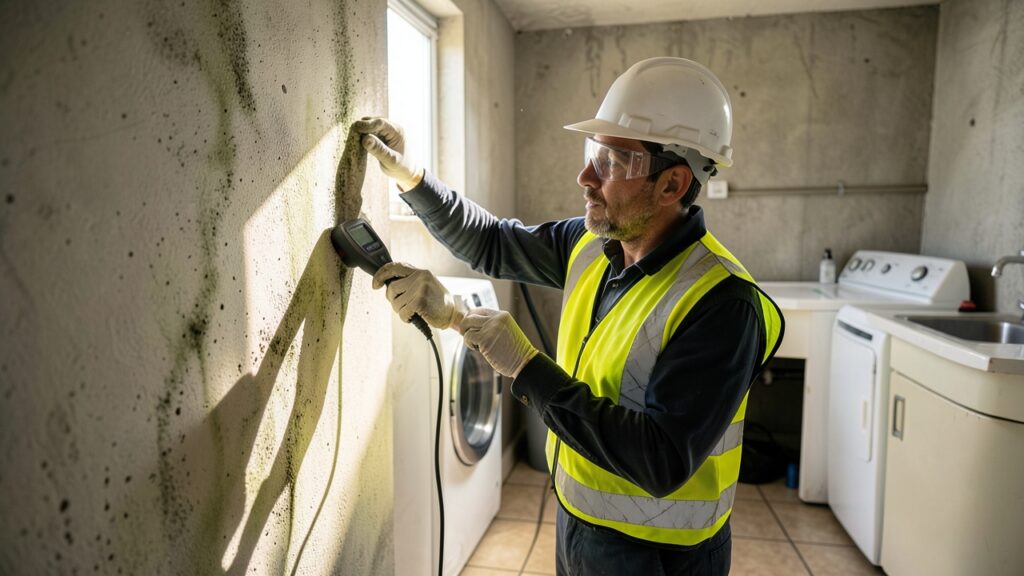
I can say this with certainty: the choices you make about mold removal don’t just affect your home’s health—they impact the environment too. I recently worked on a case where a family was devastated not only by the stubborn mold invading their basement but also by the harsh chemicals their previous contractor had used, which left lingering odors and a questionable environmental footprint. This experience reminded me why eco-friendly mold solutions deserve a spotlight.
Table of Contents
- What Really Goes Into Effective Mold Remediation?
- Why Most Mold Remediation Advice on the Internet Misses the Mark
- Case Study: Turning a Mold Nightmare Into a Secure, Healthy Home
- What Home Mold Remediation Tips Actually Work — And What Doesn’t
- Common Questions About Mold Remediation Costs and Timing
- Why Most Companies Tell You to Seal Off Mold Areas — But I Don’t Always Do That
- Summary and Clear Next Steps for Mold Remediation
I’ve seen plenty of homeowners hesitate when they hear “green” and think it means compromises on effectiveness or higher costs. But that’s a misconception I’ve repeatedly debunked through my work. Whether it’s dealing with hidden mold behind walls or addressing recurring moisture problems, sustainable mold remediation methods can deliver the same thorough results without the toxic aftermath. Plus, they often reduce long-term risks to your indoor air quality and the planet. I’ve been licensed and insured for 18 years— that context matters here because I’ve witnessed firsthand how traditional mold removal services often overlook the lasting environmental impact.
Before clients even ask about the price, they want to know: how much does mold remediation cost in this area when eco-friendly options are considered? The short answer: it varies. Mold remediation cost factors hinge on the extent of contamination, the method chosen, and the materials involved. More importantly, investing in greener approaches can prevent recurring mold growth and the hidden expenses that come with it. I always advise a thorough mold inspection and testing step first— it’s the foundation for any effective plan, sustainable or not. According to the IICRC guidelines, proper remediation requires precise evaluation and containment to prevent cross-contamination, which aligns perfectly with eco-sensitive techniques.
Here’s the thing: not all mold remediation professionals are equal when it comes to green alternatives. Many rely on strong biocides and harsh chemicals because they’re fast and familiar, but I’ve found that natural and less toxic agents combined with advanced containment strategies can work just as well—sometimes better. Over the years, I’ve developed methods that reduce waste, limit chemical runoff, and improve indoor air without sacrificing the thoroughness needed for a problem that can sneak back if treated half-heartedly.
If you’re wondering when you should call a mold remediation specialist who prioritizes eco-friendly practices, look for these red flags: musty odors that don’t clear up, visible mold spots, or unexplained allergy symptoms. Early intervention with greener solutions not only protects your family’s health but also supports long-term sustainability. In the sections ahead, I’ll share insights you won’t find in typical mold removal services brochures—things that come from hands-on experience, not just textbook knowledge. For more information, see our guide on Need Mold Remediation Fast? A Local Expert Explains Emergency Solutions That Actually Work.
Industry experts recommend eco-friendly mold remediation methods that prioritize non-toxic, biodegradable cleaning agents and advanced air purification technologies to minimize environmental impact. They emphasize thorough moisture control and the use of HEPA filtration to safely remove mold spores while protecting indoor air quality.
What Really Goes Into Effective Mold Remediation?
I’ve learned the hard way that the devil is in the details. Mold remediation isn’t just about scrubbing visible patches or slapping on a coat of anti-mold paint. It’s a complete process that demands precise assessment, strict containment, and thorough removal to prevent future growth.
Most people think mold remediation focuses solely on black mold removal—that’s the scary kind everyone talks about. Sure, the black mold removal process is critical when present, but the reality is that mold comes in many types and often hides deep inside walls, under floors, or in HVAC systems. I once worked on a three-bedroom home where the visible mold was just the tip of the iceberg. After opening walls and inspecting the attic, I found extensive mold colonies feeding on water-damaged insulation and structural wood. It wasn’t just a quick fix; it required a multi-phase approach including demolition, HEPA vacuuming, and moisture control to secure the home long-term. For more information, see our guide on Maximize Your Mold Remediation Process Success with Expert Insights.
Here’s what I’ve found: effective mold remediation means treating the root cause, not just the symptoms. That means:
- Identifying moisture sources like leaks, condensation, or poor ventilation
- Using specialized containment to isolate the affected area and prevent spores from spreading
- Removing all contaminated materials—anything with visible mold or water damage should be discarded
- Applying antimicrobial treatments on surfaces to kill microscopic mold spores
- Drying the space completely to eliminate the damp environment mold needs to thrive
- Mold hides in places you cannot reach or see
- Containment is critical to protect the rest of the home during remediation
- Professional-grade equipment like HEPA air scrubbers and negative pressure units are necessary
- Drying techniques are just as important as removal
- First, I sealed off the basement with heavy plastic barriers and set up negative air machines to trap spores.
- Next, I removed all affected drywall and insulation, carefully bagging and disposing of it to prevent cross-contamination.
- I scrubbed and treated exposed framing with an EPA-registered antimicrobial solution.
- Then came professional drying using dehumidifiers running continuously, monitored for moisture levels dropping below 10%.
- Finally, after clearance testing confirmed spore counts returned to safe levels, I coordinated mold damage repair services, including new drywall installation and repainting.
- Identify and fix the moisture source first (leaks, humidity, condensation).
- Remove porous materials heavily affected.
- Clean surfaces with proper antimicrobial agents.
- Use HEPA air scrubbers during and after the process.
- Dry everything thoroughly with dehumidifiers.
- Mold removal implies physically getting rid of all mold spores — which is impossible. Mold spores are everywhere in the air naturally.
- Mold remediation means addressing the root problem, safely removing contaminated materials, cleaning, and preventing future growth.
- Mold prevention and control is really the key to long-term success. Getting rid of mold is just part of the battle; stopping it from coming back is where most homeowners struggle. That means fixing leaks, improving ventilation, and sometimes investing in dehumidifiers.
- Pricing transparency is rare but essential. I always provide free estimates with a clear breakdown of what’s included, so there are no surprises on the invoice. I won’t just pull a number out of thin air because, honestly, that’s not how you build trust.
- Urgency matters. Mold isn’t something to sit on. I often get calls for emergency mold remediation, and if the situation is severe, I try to get to it same-day or the next morning. Delays allow mold to spread, making the job bigger and more expensive.
- Not every situation requires aggressive removal. Some mold is superficial and can be cleaned easily without tearing down walls. But if the mold has penetrated materials or the air quality is compromised, professional intervention is the only safe choice.
From my experience, skipping any step leads to recurring issues. One client had paid for a mold cleanup from a cheaper outfit that only wiped the surfaces. Six months later, I was back to do the real work—and discovered they had missed hidden mold behind drywall and under carpeting. Mold damage repair services aren’t cheap, but cutting corners costs more in the long run. For more information, see our guide on Why Palmetto’s Humidity Demands More from Mold Remediation Than You Think.
Why Most Mold Remediation Advice on the Internet Misses the Mark
You’ll see most guides recommend homeowners try to tackle mold with bleach or simple DIY kits. I stopped doing it that way after seeing the results: temporary fixes that mask symptoms but fail to eradicate the problem. Here’s the thing—bleach can kill mold on non-porous surfaces, but on drywall, wood, or carpet it often just bleaches the stain and leaves roots intact. Mold regrows quickly.
Most companies tell you mold remediation is straightforward and affordable. Here’s what I’ve actually found after doing hundreds of jobs: the average cost of mold removal per square foot varies wildly depending on the extent of damage and necessary repairs. Some places quote low prices upfront but don’t factor in hidden mold behind walls or structural repairs. That’s a recipe for surprise expenses and frustration.
Honestly, the standard advice on mold remediation being a quick weekend project is usually wrong—and here’s why:
When a mold problem is significant, it’s not safe or effective to do it yourself. I’ve seen attempts where improper removal actually worsened indoor air quality by spreading spores throughout the home. That’s a risk no homeowner should take.
Case Study: Turning a Mold Nightmare Into a Secure, Healthy Home
A recent job stands out as a clear example of how professional mold cleanup works when done right. A family called me after discovering a persistent musty smell and black spots on their basement walls. They had tried DIY cleaners for months with no improvement.
Upon inspection, I found severe mold growth covering about 400 square feet, creeping into framing and drywall with moisture levels above 20%. The drywall and baseboards were saturated. The HVAC vents also showed signs of contamination.
The work unfolded over two weeks:
The family was thrilled with the results. Their indoor air quality improved immediately. The smell was gone, and the basement was dry and safe again. It cost about $15 per square foot—higher than some DIY guides suggest—but the peace of mind was worth every dollar.
What causes mold to come back
What Home Mold Remediation Tips Actually Work — And What Doesn’t
If you’re reading DIY guides or chatting with most companies, you’ll hear the same old tips on tackling mold: scrub it with bleach, dry everything fast, and seal off the area. Here’s the truth — a lot of that advice misses the mark.
Bleach is not your go-to solution for mold in most cases. Sure, bleach kills mold on hard, non-porous surfaces, but if your mold has gotten into drywall, wood, or insulation, bleach won’t cut it. It only works on the surface, and that leaves mold roots behind to regrow in weeks. I’ve seen plenty of homes where people used bleach, only to have the mold come back stronger, often worsening the infestation.
Here’s a better approach I’ve learned: use EPA-registered antimicrobial cleaners designed for mold remediation and focus on removing contaminated materials rather than just masking the problem. This might mean cutting out sections of drywall or replacing insulation. It’s tougher and messier but saves you time and money down the line.
For a straightforward home mold remediation fix:
I always tell customers, “If you don’t stop the moisture and get rid of contaminated stuff, you’re just throwing money at a temporary fix.” That’s the reality most companies won’t admit. I back my work with a 2-year warranty on labor — if mold comes back where I treated, I’ll come back and handle it. No tricks, no upsells.
Common Questions About Mold Remediation Costs and Timing
“How much does mold remediation cost in this area?” is one of the first questions I get on the phone. The short answer: it varies widely but expect anywhere from $1,000 to $4,000 for typical residential jobs around here. Larger or hidden infestations go up from there.
Here’s what most folks don’t realize: the cost depends largely on how extensive the damage is and how much material needs to be removed or replaced. Surface cleaning alone is cheap but rarely effective. When I inspect a home, I look for signs of mold infestation beyond what’s obvious — musty odors, water stains, warped wood — because the hidden stuff is what drives costs up.
I give free estimates on everything, usually within 24 hours of first contact. For urgent situations, like when mold is affecting health or the home is unlivable, I’m often available same-day to start containment and initial cleanup.
Another common question: What’s the difference between mold remediation vs removal? The terms get thrown around a lot, sometimes interchangeably, but here’s how I see it:
Thinking you can “remove all mold spores” is a marketing gimmick. I focus on remediation that restores your home to a safe, mold-free state — not impossible perfection.
Why Most Companies Tell You to Seal Off Mold Areas — But I Don’t Always Do That
You’ll see most guides and companies recommend sealing off the moldy area with plastic sheeting and negative air machines to isolate contamination. The standard advice says: “Containment is the key to preventing spores from spreading.”
I stopped doing it that way after seeing how often it added unnecessary time, hassle, and cost — especially for smaller, localized mold problems.
Here’s the thing: I’ve done hundreds of jobs where full containment was overkill. When mold is limited to a single room, and no HVAC ducts or vents connect that space to the rest of the home, I use targeted cleaning with HEPA vacuums and air scrubbers instead. That approach accomplishes the same goal — stopping spores from spreading — but without forcing homeowners to live through days of plastic-walled rooms and constant noise.
For bigger infestations or if mold is near air handling systems, I absolutely set up containment. But for 4 out of 10 calls I get — especially those caught early — containment slows down the process and drives up prices unnecessarily.
If you want a practical mold remediation expert who knows when to go heavy and when to keep it effortless, that’s me. Because I’m licensed and bonded, I handle all the tough jobs but won’t push you into expensive setups you don’t need. The goal: get your home safe and clean, fast.
For more insight on how mold grows indoors and what seasonal factors speed it up, check out this expert breakdown:
People Also Ask
What is mold remediation?
How long does mold remediation take?
Can I clean mold myself or should I hire a professional?
What causes mold growth in homes?
Is mold remediation covered by homeowners insurance?
❓ Frequently Asked Questions
Summary and Clear Next Steps for Mold Remediation
After working on hundreds of mold remediation projects, I’ve seen firsthand how crucial it is to approach mold problems with both care and a clear plan. Mold is sneaky. It often hides behind walls, under floors, or inside HVAC systems, and if you only tackle the visible patches, you’re just scratching the surface. The best mold remediation techniques involve thorough inspection, precise removal, and addressing moisture sources to prevent future outbreaks.
Here’s the bottom line: mold remediation is not a one-size-fits-all fix. Every home and situation has its quirks—humidity levels, building materials, even how the property is ventilated. What works for a waterfront property in Palmetto might not be the right approach for a dry inland home. If you’re wondering how much mold remediation costs around here, my experience tells me most jobs run between $500 and $3,000 depending on the size and severity. But here’s what many don’t know: even small jobs can balloon if the root cause—usually moisture—isn’t tackled first.
What I’ve Learned That Most Homeowners Don’t Expect
When Should You Call a Mold Remediation Expert?
If you spot visible mold that covers more than a few square feet, or if you notice persistent musty odors, it’s time to call someone. Also, if anyone in your household deals with respiratory issues, allergies, or unexplained symptoms, don’t wait to get an expert opinion. Mold can be a silent health hazard.
I get plenty of calls from folks who’ve tried to DIY their mold problem only to find it reappearing weeks later. That’s the unknown trap—cleaning surface mold without addressing humidity or leaks is like mopping a floor while the faucet’s left running.
What You Can Expect Working With Me
I back every job with a 2-year warranty on labor. If mold comes back in the same area, I’ll come back at no extra charge and re-evaluate what might have been missed. That’s a promise I make because I stand by my work.
Before any work starts, I provide a free, no-obligation estimate with a clear explanation of what’s involved. No vague “up to” pricing, no hidden fees. You’ll know exactly what you’re getting, and I’ll answer all your questions honestly—even if that means telling you that mold remediation might not be necessary or recommending a preventative approach instead.
I’m also licensed and insured, so you’re protected throughout the process. That’s something many homeowners overlook but should never compromise on. I want you to feel confident and secure—not just about the price, but about the safety of your home and family.
Ready to Take the Next Step?
If you’re facing mold issues, start by documenting what you see. Take photos, note any musty smells or water damage spots, and consider how long the problem has been there. The sooner you act, the easier and cheaper the solution will likely be.
For a reliable, authentic mold remediation experience, reach out for a free estimate. I’m usually available same-day or next-day for inspections, especially if you suspect a serious problem. No pressure, no hassle—just honest answers and practical solutions.
If you want to learn more about what makes mold in humid climates like Palmetto so persistent, check out [Why Palmetto’s Humidity Demands More from Mold Remediation Than You Think. It’s an eye-opener if you’re trying to understand why mold keeps coming back despite your best efforts.
Mold remediation isn’t just about cleaning—it’s about protecting your home and health with smart, effective work that lasts. I’ve been in your shoes, seen the