How to Prevent Mold in Home: Tips for Miami, FL Living
To prevent mold in Miami homes, maintain indoor humidity below 60% by using dehumidifiers and air conditioning, ensure proper ventilation in bathrooms and kitchens, and promptly fix any water leaks or flooding. Regularly clean and dry areas prone to moisture, such as basements and window sills, to inhibit mold growth. These steps are essential for managing Miami’s humid climate and minimizing mold risks.
That Awful Surprise in Your Edgewater Basement
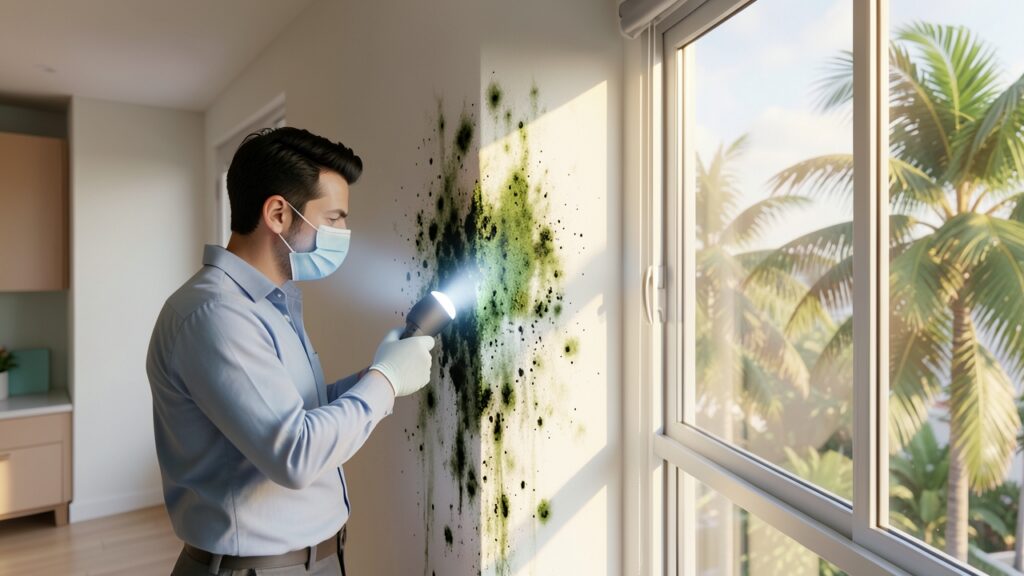
Last summer, a family over in Edgewater called me in a panic. Their basement, usually dry and tidy, suddenly smelled musty and looked spotted with what they feared was black mold. They’d been battling humidity all spring, and the heavy rains didn’t help. I showed up with my gear, and sure enough — visible mold colonies thriving in the damp corners.
That’s a common story around here. Miami’s humid climate makes mold prevention one of the biggest challenges for homeowners. If you don’t get a handle on moisture, mold can sneak up fast. That’s why I want to share what I’ve learned firsthand about stopping mold before it starts.
It’s not just about nasty stains or smell. Mold can damage your property and trigger allergies or worse health problems. So, you want to know the real, practical steps that actually work in Miami’s climate.
Understanding Ideal Indoor Humidity to Prevent Mold
Most people I see don’t realize how crucial humidity control is. Miami’s outdoor humidity often sits above 80%, but inside your home, you want to keep it below 60%. Ideally, around 45% to 55% is the sweet spot to reduce mold risk. That’s where mold spores can’t settle and grow easily.
How do you measure that? A simple hygrometer from the hardware store can give you a fast reading. I recommend placing it in common problem areas — bathrooms, kitchens, basements, and anywhere with poor airflow.
One thing I advise during mold inspections and testing in Miami is checking the HVAC system. A common culprit is poor ductwork or clogged filters that raise indoor humidity without you noticing.
Dehumidifier Mold Prevention: Worth the Investment?
Honestly, I see a lot of folks hesitate when I mention dehumidifiers. They ask, “Is it safe to run these all day? Won’t they jack up my electric bill?”
Here’s the thing — in Miami’s humid climate, a dehumidifier is often your best defense in basements or rooms with little ventilation. They pull moisture from the air consistently, helping keep that crucial indoor humidity below mold-friendly levels.
From my experience, a good dehumidifier can save hundreds in mold remediation costs down the line. And yes, it does use electricity, but most models are pretty efficient. I tell customers it’s one of those situations where a small monthly increase in power bills offsets the risk of costly mold cleanup in Miami Florida.
Stopping Mold Before It Starts: Quick Mold Prevention Tips for Miami Homes
- Fix leaks fast — whether it’s a dripping pipe, a leaky roof, or clogged gutters.
- Ventilate bathrooms and kitchens with exhaust fans or open windows.
- Use moisture barriers in crawl spaces and basements if possible.
- Keep indoor plants in check; overwatering can add humidity.
- Regularly inspect areas near AC units — condensation pools are hotspots for mold.
How Much Does Mold Remediation Cost in Miami, FL? What to Expect
A question I get all the time is about price. “What’s the cost of mold remediation Miami?” The short answer: it varies a lot depending on size and severity.
For example, smaller spots in a Wynwood condo can run a few hundred dollars, whereas extensive black mold removal Miami homes in Key Biscayne sometimes require thousands. The process usually takes me about two to four hours for a standard job, including mold inspection and testing Miami residents should expect before cleanup.
If you want the full breakdown, my team and I follow a clear mold remediation process you can read about in detail here: Mold Remediation Process Steps in Miami, FL: What Really Happens When You Call a Pro.
Spotting a Good Mold Remediation Company Miami Depends On This
When you’re dealing with mold, you want to avoid “fly-by-night” operators. I’ve seen some crews leave behind half-done jobs or charge way over the top for minimal work.
Here’s what I always tell folks to look for:
- Licensed and insured professionals who clearly explain their process.
- Use of proper containment and air filtration to avoid spreading spores during cleanup.
- Transparent pricing — no mystery fees or vague estimates.
- References or reviews from local Miami neighborhoods — Wynwood, Design District, Little Havana — where they’ve done solid work.
If you want a deep dive into choosing the right expert, here’s a post I wrote on DIY Mold Removal vs Professional: When to Hire a Mold Remediation Company in Miami, FL. It covers the red flags and when it’s best to call in a pro like me.
Signs of Mold Growth in House You Shouldn’t Ignore
Wondering when you should act? Watch out for these warning signs:
- Persistent musty odors, especially in damp rooms or closets.
- Visible discoloration or fuzzy patches on walls, ceilings, or carpets.
- Peeling paint or wallpaper bubbling unexpectedly.
- Health symptoms like sneezing, coughing, or headaches that worsen indoors.
Why Miami’s Climate Means Mold Cleanup Is an Ongoing Battle
Miami’s subtropical weather means mold prevention is never a one-and-done deal. Between rainy season flooding and year-round humidity, I often tell customers they need ongoing vigilance.
For example, I had a restaurant client in the Design District who thought a one-time mold removal would solve their problem. But when the rainy season rolled around, moisture crept back into their walls from a faulty drain. We ended up doing a second round of cleanup and moisture control.
That’s why combining mold remediation services Miami pros offer with smart home mold prevention strategies is key. Fix the water issues, control humidity, and keep an eye out for new mold signs. It’s a cycle, but manageable with the right help.
If you’re dealing with mold or want to prevent it before it disrupts your home or business, my team and I can walk you through the steps. Whether it’s a quick mold inspection or full black mold removal Miami residents trust us for, we’ve got you covered. Reach out anytime — I’m here to help keep your property safe and dry.