Mold After Water Damage in Miami, FL: What You Really Need to Know
After water damage in Miami, FL, mold can begin growing within 24 to 48 hours due to the region’s high humidity and warm climate. Prompt water extraction and professional mold remediation are essential to prevent health risks and structural damage.
When You Spot Water Damage, Mold Isn’t Far Behind
I’ve been working in mold remediation around Miami for over a decade now, and I can tell you this: mold after water damage isn’t just a possibility—it’s often a guarantee if you don’t act fast. The moment water seeps in from a leak or flooding, mold can start growing, sometimes within 24 to 48 hours. How fast does mold grow after a leak? In humid spots like Miami Beach or even Brickell, it happens quicker than folks expect.
Last summer, a family in Kendall called me in a panic. Their air conditioner line had burst overnight, drenching the closet and drywall behind it. They waited a day before calling. By the time I got there, signs of mold growth were already visible. That’s why I always tell people—drying out water damage to stop mold is a race against the clock.
Ignoring the water means you’re inviting mold to settle in. That’s where my mold removal services in Miami really come in handy. I’m licensed and insured, so when I handle your water damage mold cleanup, you’re covered from start to finish. Resources like federal regulations can help.
What Happens During Mold Remediation? No Magic, Just Hard Work
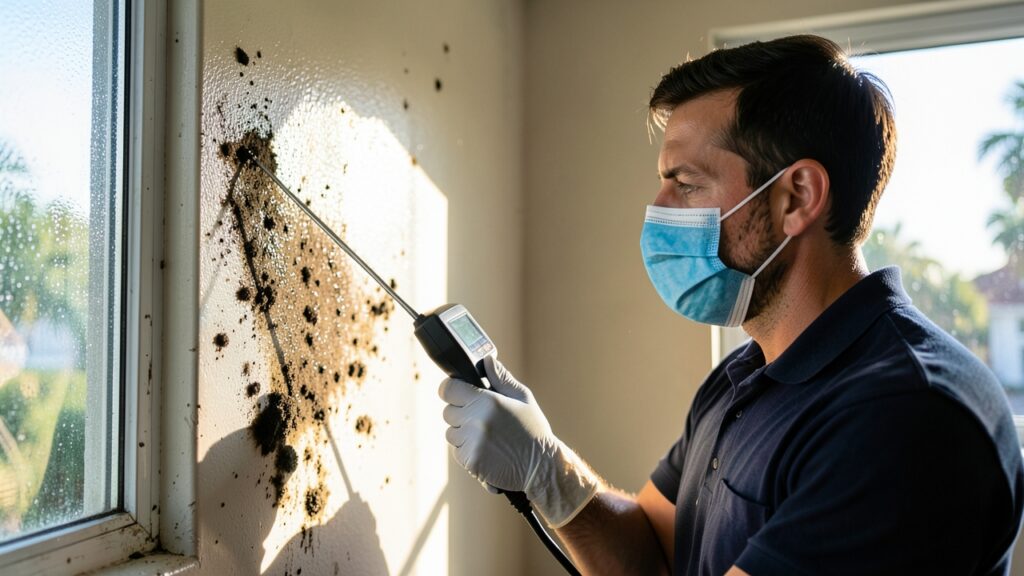
People sometimes think mold remediation is just about spraying chemicals. It’s not. Mold remediation Miami FL involves a careful process that starts with a thorough mold inspection and testing. I’ve done inspections from Little Havana to Doral, and honestly, every place is different. Sometimes it’s hidden behind drywall, other times under floorboards.
Once we find the mold, the work begins. I set up containment to keep spores from spreading and use industrial-grade air scrubbers. Then, I remove mold-infested materials like drywall or insulation if they’re too damaged. The drying phase is critical—I use dehumidifiers and air movers to dry out water damage, which is the best way to stop mold from coming back.
After cleaning and drying, I apply antifungal treatments and sealants to prevent future growth. It’s a process I’ve honed after hundreds of calls. If you want a deep dive on this, check out my post on Mold Remediation Process Steps in Miami, FL.
Miami’s Heat and Humidity Make Preventing Mold After Flooding a Challenge
You hear about floods in Miami during hurricane season, but it’s the lingering humidity that really complicates mold prevention. Preventing mold after flooding in Miami means more than just pumping water out. The air can stay wet for days, especially in neighborhoods like South Beach where old buildings hold moisture.
Here’s the thing: even if you mop up the puddles, if the underlying structure stays damp, mold will grow. I often get calls from Bayside Marketplace businesses that waited too long to dry out after minor floods. They think it’s just water, but it’s a breeding ground for mold spores.
My best advice? Act immediately. Start drying out water damage to stop mold from even getting a foothold. Move your stuff out, get professionals in with commercial-grade drying equipment, and consider a mold inspection and testing Miami service to catch problems early.
How Much Does Mold Remediation Cost in Miami, FL?
Prices vary a lot, honestly. Based on my years on the job, most mold removal cost Miami FL jobs run somewhere between $1,200 and $4,000. It depends on how bad the damage is, what materials need replacing, and how much drying is required. I always recommend getting a clear estimate upfront, and don’t be afraid to ask about the drying methods used—some companies cut corners here, which can lead to mold returning.
Red Flags When Choosing Mold Removal Services in Miami
Not all mold remediation companies are equal. I remember a client from Doral who hired a cheap outfit that promised quick fixes. They sprayed some stuff, left, and two months later the mold was back. The signs of mold growth after leak were missed because they didn’t do a proper inspection or drying.
Watch out for companies that won’t show you their license or insurance. Ask if they do mold inspection and testing Miami—if they skip that, they’re guessing. Also, beware of crews that rush the drying process. Mold prevention tips after flooding include thorough drying, and anyone who tries to ignore this is cutting corners.
A good company will walk you through the water damage mold timeline, explain how fast mold grows after water damage, and give you a realistic plan. Don’t settle for anything less.
How to Stop Mold Growth After Water Leak Before It Starts
- Find the leak source and shut off water immediately
- Remove standing water with pumps or wet vacuums
- Use fans and dehumidifiers to dry out the area thoroughly
- Remove wet materials like carpets or drywall if soaked
- Schedule a mold inspection to catch hidden mold early
- Keep humidity below 60% inside your home or business
My Take: Why You Need a Local Pro for Mold After Water Damage Restoration
Miami presents unique challenges for mold remediation. The constant heat and humidity, the proximity to water, and our mix of old and new buildings mean mold can sneak up fast. I’m not just a guy with gear—I’ve worked homes off Ocean Drive and commercial spaces near Wynwood Walls. I know the quirks of Miami’s climate and construction first-hand.
When dealing with mold after water damage restoration, speed and know-how matter. I respond same day to emergencies because waiting even a few hours can make a difference. And because I’m hands-on with every job, you get honest answers, no inflated promises, and a solution tailored to your property.
If you’re noticing musty smells, staining, or any signs of mold growth after a leak, don’t wait. Mold remediation in Miami, FL isn’t just about your property—it’s about your family’s health. Reach out to me for a thorough inspection and cleanup that works.
Frequently Asked Question
Q: When should I call for emergency mold removal in Miami, FL?
A: If you’ve had flooding, a big leak, or you see visible mold within 24-48 hours, call for emergency mold removal right away. The longer mold sits, the harder and more expensive it is to fix. Acting fast is the best defense.