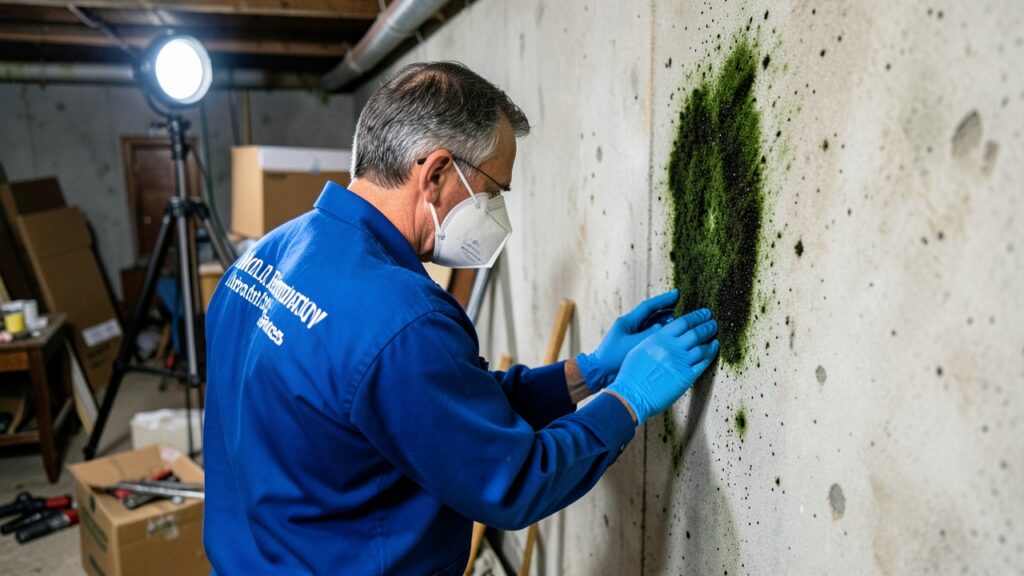
Have you ever wondered why some mold remediation efforts yield outstanding results while others seem to fall short? After handling countless situations, we’ve seen firsthand how timing plays a crucial role in the success of mold removal and prevention. The subtle influence of seasons often goes unnoticed, but it can dramatically affect not only the growth of mold but also the effectiveness of remediation strategies.
Table of Contents
- Why Our Approach to Mold Remediation Stands Apart
- How to Get Rid of Mold Safely: Our Proven Methods
- What Does the Cost of Professional Mold Removal Usually Include?
- Essential Tips for Effective Mold Remediation
- Why Some Mold Removal Advice Misses the Mark
- Common Questions About Mold Remediation: What You Need to Know
- Summary and Clear Next Steps for Mold Remediation
In our experience, nearly half the calls we receive about mold issues spike during particular times of the year. These seasonal patterns aren’t random—they’re tied to temperature fluctuations, humidity levels, and even homeowner behavior. What most people don’t realize is that knowing when to act can save time, reduce costs, and increase the safety of your environment. It’s not just about hiring mold remediation services; it’s about choosing the right moment to intervene.
We’ve been solving mold problems long enough to recognize that context matters here. Whether it’s a sudden basement mustiness in early spring or hidden black spots after a humid summer, the best timing for mold remediation depends on a variety of factors. We’ll help reveal what those seasonal considerations are and why professional mold inspection and carefully planned remediation can make all the difference. How to tell when it’s safe and effective to tackle mold? Keep reading to uncover basic yet essential guidance for timing your mold remediation right. For more information, see our guide on A Practical Guide to Mold Remediation: Navigating Local Regulations and Permits.
The best time for mold remediation is during dry, mild weather typically found in spring or early fall, as lower humidity levels help prevent further mold growth and improve drying conditions. Addressing mold promptly after water damage or high humidity events is crucial to effective removal and long-term prevention.
Why Our Approach to Mold Remediation Stands Apart
Most companies tell you that mold remediation is just about removing visible mold and treating the affected area with standard cleaning agents. Here’s what our team has actually found doing this work day in and day out: simply scrubbing away surface mold rarely solves the problem. Mold grows where moisture lingers, hidden deep within walls, under flooring, or inside ventilation systems. If those sources aren’t addressed thoroughly, mold will almost certainly return.
We emphasize the difference between mold remediation and removal because it’s a crucial distinction. Removal implies wiping away mold colonies, but remediation is a comprehensive process involving identifying the root cause of mold growth, carefully removing contaminated materials, thoroughly cleaning the area, and controlling moisture to prevent recurrence. Simply killing visible mold with bleach or DIY sprays is often ineffective and can even spread spores if done improperly.
For example, in a recent case at a commercial property, a tenant had attempted mold cleanup and prevention by painting over discolored drywall after a minor leak. The mold resurfaced within weeks, worsening each time. Our team identified a hidden plumbing leak behind the wall that created persistent damp conditions. After repairing the leak, removing the compromised materials, and using industrial-grade air scrubbers, the mold was eliminated with no return after several months of monitoring. This case illustrates why the underlying moisture problem must be fixed alongside mold removal for a lasting solution.
How to Get Rid of Mold Safely: Our Proven Methods
The standard advice on this is to tackle mold with household cleaners and ventilation alone. That’s usually wrong—and here’s why. The short answer: mold spores are microscopic, airborne, and readily spread during disturbance. Our experience has shown that inadequate containment during remediation leads to cross-contamination of unaffected rooms, making the problem worse. For more information, see our guide on What Affects Mold Remediation Cost in Miami Beach, FL: Beyond the Surface.
We follow a detailed protocol that includes:
- Establishing containment zones with negative air pressure to prevent spores from migrating.
- Using HEPA filtration systems to capture airborne particles throughout the cleanup.
- Employing specialized cleaning agents designed to neutralize mold at the microbial level without damaging materials unnecessarily.
- Monitoring moisture with advanced sensors before, during, and after remediation to ensure conditions remain dry.
- Initial inspection and mold testing to determine severity.
- Containment setup to prevent spore spread.
- Removal of contaminated materials that cannot be saved.
- Surface cleaning and antimicrobial treatment.
- Moisture control measures to prevent return.
- Post-remediation clearance testing to verify success.
- Accurate assessment is critical. Mold can hide in places you don’t expect. We frequently find mold in HVAC systems, behind drywall, or under carpets during our work.
- Safe mold removal products protect your home and health. Using the right cleaning agents tailored to the mold type and surface prevents damage while tackling mold effectively.
- Addressing moisture sources stops mold’s return. Without fixing leaks or improving ventilation, mold will likely come back.
- Communication and responsiveness matter. Our team prioritizes clear explanations and timely updates, so you understand each step and what to expect.
- Not every mold problem requires the same level of intervention. Minor surface mold can often be managed with simple cleaning and moisture control. Larger infestations need a more comprehensive solution.
- Keep an eye out for signs of mold infestation and don’t wait for visible damage to act.
- If you suspect mold, consider scheduling an assessment to understand the scope before starting any cleanup.
- Take note of moisture problems—fix leaks or ventilation issues promptly.
- Review local guidelines on mold remediation permits to ensure compliance.
- Reach out for a frank discussion about your property’s
This approach keeps mold spores from spreading and guarantees a cleaner, healthier environment post-remediation. One client with a historic residential property initially refused containment measures, thinking they were overkill. After years of dealing with persistent mold despite DIY efforts, they entrusted us to handle it properly. Within a week, the mold was removed safely without damage to precious woodwork or air quality declines. Our method saved them from repeated costly repairs.
What Does the Cost of Professional Mold Removal Usually Include?
Understanding the cost of professional mold removal can be confusing because prices vary widely. Here’s what most people don’t realize: the total cost depends heavily on the extent of contamination, accessibility of affected areas, and how deep the mold has penetrated.
The price typically covers:
Most run about $1,000 to $5,000 for typical residential jobs around here, but more extensive commercial or flood-related cases increase accordingly. Trying to cut corners by skipping inspection or moisture control often leads to repeat problems, doubling or tripling eventual costs. For more information, see our guide on Why Harbour Mold Problems Demand More Than Standard Remediation in Opa-locka, FL.
We’ve found that investing in thorough mold remediation upfront provides the best value over time. One recent project involved a multi-unit apartment building with chronic mold complaints. Our team conducted detailed moisture mapping, performed targeted removal, and installed dehumidification systems. The result was a significant decrease in tenant complaints and no recurrence months later—proof that premium mold remediation solutions save money by preventing ongoing damage and health risks.
The key takeaway is clear: mold remediation isn’t a simple surface fix. It requires a precise, multi-step process with attention to hidden moisture and containment practices. Our experience shows that this powerful solution is the only way to achieve guaranteed, lasting results in mold cleanup and prevention.
Essential Tips for Effective Mold Remediation
Successful mold remediation begins with a clear understanding of the entire process, including thorough mold testing and assessment. One of the most overlooked steps is identifying hidden sources of moisture that fuel mold growth. According to guidelines from the Environmental Protection Agency (EPA), effective remediation requires not just removing the visible mold but also addressing the underlying moisture problems. Without this, mold often returns, making any remediation effort temporary.
From our experience, homeowners often underestimate the importance of early detection. Mold can thrive behind walls, under floors, and inside HVAC systems—places that simple visual inspections miss. Our approach includes detailed assessments that go beyond surface-level checks. We use moisture meters and air quality testing to verify contamination levels before starting any home mold removal methods. This helps in crafting a targeted plan, saving time and reducing unnecessary disruption.
Another tip is to isolate the affected area during remediation to prevent spores from spreading to other parts of the home. Containment measures like plastic sheeting and negative air pressure are vital. We’ve seen projects where skipping these steps resulted in widespread contamination and additional repairs later on. Industry standards, such as those outlined by the Institute of Inspection, Cleaning and Restoration Certification (IICRC), emphasize these containment protocols to ensure a clean and safe environment post-remediation.
Why Some Mold Removal Advice Misses the Mark
You’ll see most guides recommend simply scrubbing moldy areas with bleach or household cleaners. We stopped advising this method years ago after seeing the actual outcomes firsthand. The standard advice on this is bleach kills mold effectively. That’s usually wrong—and here’s why.
Bleach might remove surface mold stains, but it does not penetrate porous materials like drywall or wood where mold roots reside. This means the mold often returns weeks later, sometimes worse than before. Moreover, bleach can create harmful fumes and damage some building materials, complicating mold damage repair services down the line.
Most companies tell you bleach or basic cleaning is enough. Our work shows that removing mold properly requires specialized techniques and products that break down mold at its source without causing collateral damage. We rely on EPA-registered antimicrobial cleaners and HEPA vacuuming to remove mold spores safely. This approach comes with verified success. It prevents recurring mold and limits the need for repeated remediation.
Here’s the thing: mold remediation isn’t just surface cleaning. It requires addressing structural materials, ventilation, and moisture control simultaneously. Otherwise, what looks like a “fixed” mold problem is often just a ticking time bomb waiting to resurface.
Common Questions About Mold Remediation: What You Need to Know
When should I call a mold remediation professional? If you find mold covering more than 10 square feet, or if you notice persistent musty odors with no visible signs, it’s time to seek professional evaluation. Mold testing and assessment can pinpoint hidden growth and help prevent health issues or structural damage. Waiting too long can complicate repairs and increase costs.
Is it safe to stay in the home during remediation? The short answer: it depends on the extent of contamination and the containment measures in place. Small, isolated mold patches may allow occupants to remain with precautions. However, larger infestations, particularly involving black mold remediation processes, require evacuation to avoid exposure to airborne spores. We always communicate clearly about safety measures and timelines to ensure informed decisions.
How much does mold remediation cost? Costs vary widely depending on the severity, location, and materials affected. Most run about $1,500 to $6,000 around here for typical remediation, but extensive mold damage repair services can push this higher. We find that transparent estimates and upfront communication help homeowners plan better and avoid surprises.
To improve the chances of success, follow the remediation work with continuous moisture monitoring and maintenance. Mold tends to return if humidity remains above 60% or if leaks are left unaddressed. Installing dehumidifiers or improving ventilation are simple but effective post-remediation steps.
If you want a more detailed look at what affects mold remediation pricing specifically in Miami Beach, the linked guide offers insights that match many situations we’ve encountered: What Affects Mold Remediation Cost in Miami Beach, FL: Beyond the Surface. It’s a wonderful resource for understanding cost drivers without guesswork.
Our responsiveness and direct communication help clients navigate the often overwhelming mold remediation process with clarity. We don’t just complete the work — we explain it, manage expectations, and aim for a successful outcome that lasts. Over multiple projects, we’ve seen how thorough assessment, proper containment, and tailored cleaning methods lead to better results than quick fixes or generic advice.
That’s the difference between simply “remediating mold” and truly solving the problem for good.
People Also Ask
What is mold remediation and why is it important?
How do professionals detect mold in a home?
Can I remove mold myself or should I hire a professional?
How can I prevent mold growth after remediation?
How long does mold remediation usually take?
❓ Frequently Asked Questions
Summary and Clear Next Steps for Mold Remediation
Mold remediation is rarely just about removing visible mold patches. It’s a multi-step process that requires careful attention to the underlying causes of mold growth, the materials affected, and the best way to restore your space safely and effectively. We’ve shared key signs of mold infestation to watch for—from persistent musty odors to discoloration on walls and ceilings. Recognizing these early signs can save time, money, and frustration by preventing mold from gaining a stronger foothold.
When should you hire mold remediation experts? The short answer: as soon as you suspect mold growth that’s more than minor surface spotting or when mold returns repeatedly despite your efforts. Some situations, like water damage from leaks or flooding, almost always demand professional attention to ensure mold doesn’t spread or compromise structural integrity.
We’ve seen cases where property owners try to handle mold removal themselves but end up missing hidden mold behind walls or under flooring. Safe mold removal products and DIY solutions can help with small, isolated patches, but they often fall short when mold is embedded in porous materials or extensive. Our team’s experience demonstrates that a thorough approach—combining inspection, containment, removal, and prevention—is essential for lasting results.
Here’s what you can take away about effective mold remediation:
Wondering how much mold remediation might cost? Costs vary widely depending on the size of the affected area, extent of damage, and complexity of repairs. Most cases we work on run about $X–$Y around here, though unexpected conditions can shift that range. For a deeper look at pricing factors, our post What Affects Mold Remediation Cost in Miami Beach, FL: Beyond the Surface is a helpful resource.
We also recommend reviewing local rules when planning mold repairs, as permits and inspections sometimes apply. For guidance on navigating those requirements, A Practical Guide to Mold Remediation: Navigating Local Regulations and Permits offers valuable insights.
When Might Mold Remediation Not Be the Right Fit?
We want to be upfront: mold remediation isn’t always the immediate answer. If mold traces are extremely limited and surface-level, and you can control moisture effectively, monitoring and routine cleaning might suffice. Also, if you’re facing health issues that make exposure risky, coordinating with your healthcare provider before remediation steps is wise.
We avoid overstating what we can do. Our approach is straightforward. If a situation calls for specialized structural repairs beyond mold removal, we’ll point that out and help connect you with the right resources. Our goal is to support your best outcome, not just perform a quick fix.
How We Build Trust in Every Project
Trust grows from what we actually do, not from buzzwords or inflated claims. That means we respond directly and promptly to inquiries, provide detailed explanations to help you make informed decisions, and follow through on agreed-upon plans. Over the course of many projects, we’ve noticed how transparency builds confidence—whether that’s sharing test results, showing before-and-after photos, or walking you through the remediation steps.
We’re not here to rush you or oversell services. Instead, we focus on reliability and honest communication. Sometimes that means advising patience or suggesting alternatives based on what we observe at the site.
If you’re asking, “How safe are mold remediation products?”—we pay close attention to selecting treatments that are effective yet minimize harsh chemicals. Your safety and that of your family is part of the work we do, and it shows in the products we choose and the care we take during application.
Next Steps: