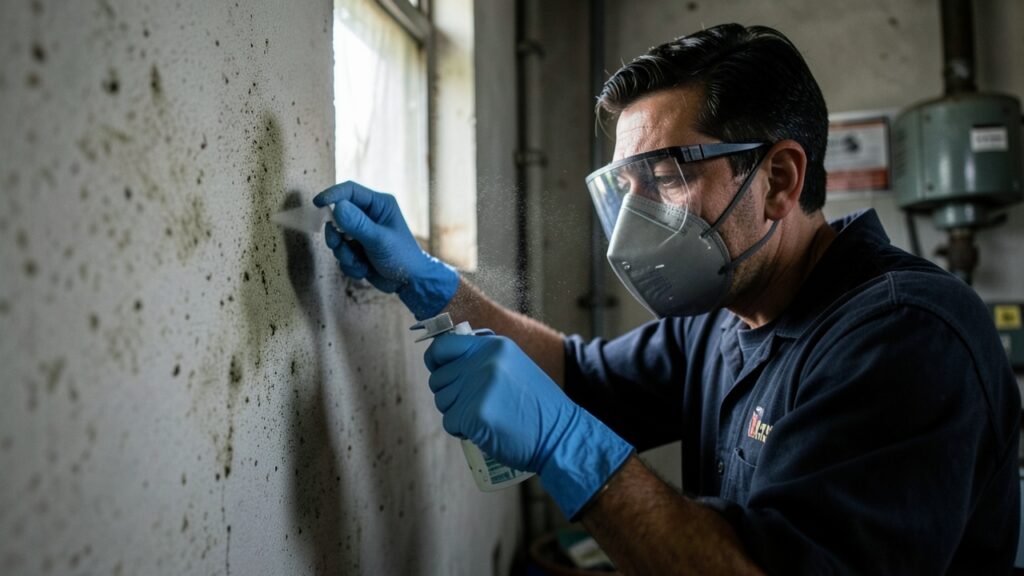
Forget everything you’ve heard about mold remediation being a simple “spray and wipe” fix. After years of doing this work, our team can tell you exactly why many well-meaning efforts end up incomplete or even unsafe. The complexity extends beyond just removing visible mold—you must work within your city’s specific regulations and permit requirements to ensure a safe, effective, and lasting solution. Missing these nuances can cause costly delays, fines, or even health hazards.
Table of Contents
- How Our Experience Shapes Effective Mold Remediation Solutions
- Why Most Mold Remediation Advice Misses the Mark — And What We Do Differently
- What Causes Mold to Return After Remediation — And How to Prevent It
- Tips to Identify and Address Hidden Mold Issues
- Best Practices for Mold Cleanup in Humid Climates
- The Truth About Mold Removal: What Most Companies Don’t Tell You
- Summary and Next Steps for Mold Remediation
What most people don’t realize is that mold remediation is as much about understanding local laws as it is about controlling moisture or treating contaminated materials. For example, in some municipalities, certain types of mold removal require permits, specific disposal methods, or notifications to health departments. These rules can vary widely even between neighboring cities, and ignoring them can jeopardize the success of your mold removal efforts. We’ve seen scenarios where improper handling led to re-contamination or legal headaches, simply because the team wasn’t aware of a city’s permit process or reporting obligations.
Here’s the thing: mold remediation companies who succeed consistently are the ones who not only master the technical side—like effective mold inspection and testing, moisture source control, and careful containment—but also the regulatory landscape that governs the work. Our experience across multiple jurisdictions has taught us that navigating local requirements effectively is just as critical as using the right cleanup techniques. The International Institute of Cleaning and Restoration Certification (IICRC) guidelines, for example, emphasize the importance of understanding these rules to prevent cross-contamination and ensure occupant safety. This guide will reveal what actually matters when it comes to local mold remediation regulations and permits, helping you avoid common pitfalls and maximize your success. For more information, see our guide on What Affects Mold Remediation Cost in Miami Beach, FL: Beyond the Surface.
A practical guide to mold remediation involves thoroughly assessing the affected area, safely removing mold using industry-approved methods, and preventing future growth. Navigating local regulations requires consulting municipal or state environmental agencies to obtain necessary permits and ensure compliance with health and safety standards. Always verify specific local requirements before beginning remediation to avoid legal issues and ensure effective mold removal.
How Our Experience Shapes Effective Mold Remediation Solutions
With extensive experience helping clients tackle mold issues in a variety of settings, we’ve developed a deep understanding of what works — and what doesn’t. Our team encounters a wide range of situations, from minor surface mold in homes to large-scale mold infestations caused by water damage. One recent project involved a coastal property where persistent humidity had led to hidden mold growth behind drywall. Within a week, we completed containment, removal, and drying processes that not only eliminated the visible mold but also addressed the moisture source. The homeowner reported a noticeable improvement in indoor air quality and no recurrence in the following months.
Experience like this informs every step we take. We know that mold remediation isn’t just about cleaning; it’s about understanding the environment mold thrives in and stopping it at the source. This is particularly true in coastal homes, where mold prevention strategies must prioritize humidity control to prevent spores from settling and multiplying. Using proven methods like advanced drying equipment and air filtration, combined with effective humidity management tips, we’re able to deliver reliable, hassle-free results that enhance the safety and comfort of the space. For more information, see our guide on Why Harbour Mold Problems Demand More Than Standard Remediation in Opa-locka, FL.
Why Most Mold Remediation Advice Misses the Mark — And What We Do Differently
Most companies tell you that simply cleaning the mold with bleach or other harsh chemicals will fix the problem. That’s what you’ll see in many DIY guides, too. Here’s what we’ve actually found doing this work, day in and day out: bleach often masks the mold rather than eliminating it, especially on porous surfaces. It can even damage materials, making future remediation more difficult and costly.
The standard advice on this is usually wrong — and here’s why. Mold grows in microscopic root structures that penetrate beneath surfaces. Surface cleaning alone doesn’t remove these roots, so mold quickly returns. Instead, our approach focuses on containment and removal of all contaminated materials when necessary, combined with targeted cleaning methods that use specialized solutions designed to break down mold at the source without harming the structure. For more information, see our guide on Why Mold Inspections in Sunny Isles Beach Often Miss the Hidden Problems.
What most guides recommend is a superficial cleanup, but we stopped doing it that way after seeing repeat mold growth in homes where only surface cleaning was done. Our procedure includes:
- Thorough inspection to identify all mold-affected areas, including hidden spots behind walls or under flooring
- Controlled removal of damaged materials to prevent spread
- Use of HEPA filtration and air scrubbers during and after remediation
- Application of antimicrobial treatments that penetrate surfaces
- Comprehensive drying and humidity control to prevent regrowth
- Using dehumidifiers in vulnerable areas
- Ensuring proper ventilation in bathrooms and kitchens
- Sealing leaks and repairing water damage promptly
- Monitoring indoor humidity levels regularly
- A musty, earthy smell that won’t go away even after cleaning or airing out rooms.
- Discoloration or staining on walls, ceilings, or baseboards that doesn’t wipe off.
- Persistent allergy symptoms or respiratory issues that worsen indoors.
- Peeling paint, bubbling drywall, or warped wood surfaces.
- Condensation buildup on windows or walls, especially in bathrooms or basements.
- Controlling moisture sources through dehumidification and ventilation upgrades.
- Using antimicrobial treatments designed for damp environments.
- Replacing or repairing compromised building materials that trap moisture.
- Monitoring humidity levels regularly, especially in basements, attics, and crawlspaces.
- Educating homeowners on daily habits that limit indoor moisture buildup.
- Mold roots (called hyphae) can penetrate porous materials, making surface treatment ineffective.
- Sealing without removing moisture sources traps mold behind walls, causing further damage.
- Overuse of harsh chemicals can create unhealthy indoor air and mask the problem.
This method delivers a more permanent solution, reducing the chances of mold returning and minimizing disruption for homeowners.
What Causes Mold to Return After Remediation — And How to Prevent It
One question we hear often is: “Why does mold come back after remediation?” The short answer: mold returns because the conditions that allowed it to grow haven’t been resolved. Mold needs moisture to thrive, so controlling humidity and fixing water damage are essential parts of any solution.
Water damage and mold often go hand in hand. A leaky pipe or poor ventilation can create the perfect environment for spores to grow unchecked. We’ve seen cases where homes were treated for mold but didn’t address ongoing moisture issues, leading to reinfestation within months. To make remediation truly effective, it’s crucial to couple cleanup with moisture management strategies.
For example, in coastal homes, mold prevention means more than just cleaning. It requires active humidity control measures such as:
By focusing on these factors, our work goes beyond a quick fix. We help clients maintain a healthier environment long after remediation is complete, reducing the chances of future mold problems and making the whole process as painless as possible.
Through our on-the-ground experience, we’ve learned that mold remediation is a complex challenge that demands more than generic advice or quick chemical cleans. By understanding the root causes, using reliable methods, and applying practical prevention tips, we deliver solutions that work and stand the test of time.
Tips to Identify and Address Hidden Mold Issues
Mold is often hiding just out of sight, especially in humid climates where moisture lingers in unexpected places. Recognizing signs of mold in house early can save a lot of time and money. Our team frequently encounters situations where homeowners spot surface mold but miss the hidden mold growing behind walls, under flooring, or inside HVAC systems.
Here’s what to look for:
Detecting these signs early is a bonus because it allows tailored mold remediation solutions before the damage escalates. We’ve found that many calls stem from customers ignoring or misidentifying these symptoms for months. This delay often drives up the mold damage restoration cost, as the mold has time to spread into structural components.
Many guides recommend a visual inspection combined with a DIY moisture meter. However, the standard advice on this is incomplete. That’s usually wrong — and here’s why: mold can thrive out of sight and air sampling without proper expertise often misses it or produces misleading results. What most people don’t realize is that a thorough investigation requires understanding building science and how mold behaves in different materials.
Our approach prioritizes a detailed, systematic assessment of moisture sources and mold growth patterns to catch the hidden mold that often escapes casual detection. This is why we recommend getting a professional mold removal near me that includes a full evaluation, not just surface cleaning. Our responsiveness and directness in explaining these findings help customers make informed decisions rather than chasing symptoms.
Best Practices for Mold Cleanup in Humid Climates
Humidity is the enemy of mold prevention. It creates the perfect storm for mold spores to take root and proliferate. In coastal or tropical areas, mold cleanup for humid climates demands more than a quick wipe-down or temporary fixes.
Effective mold remediation in these conditions involves:
Industry standards require controlling the environment to prevent mold recurrence. For instance, the Environmental Protection Agency (EPA) highlights moisture control as the key factor in mold management. Understanding how humidity interacts with building materials leads to a complete remediation strategy rather than patchwork solutions.
We have observed that quick fixes—like surface cleaning without addressing humidity—almost always lead to mold returning within weeks or months. This cycle costs more in the long run and can cause confusion and frustration. Our team has learned that emphasizing moisture control as part of mold repairs reduces callbacks and fosters lasting results.
For those wondering how much does mold remediation cost in humid climates, expect variability depending on the extent of damage and environmental controls needed. Most run about $1,000 to $5,000 around here, but controlling humidity often pays off by saving repeat remediation expenses.
The Truth About Mold Removal: What Most Companies Don’t Tell You
Most companies tell you mold remediation means killing all mold on surfaces and sealing everything up. Here’s what our crews have actually found doing this work, day in and day out: a surface kill is just the beginning. The standard advice on this is incomplete and sometimes misleading.
You’ll see most guides recommend removing visible mold and applying biocides to kill spores. That’s usually not enough — and here’s why:
We stopped doing it that way after seeing recurring mold in homes treated with only surface cleaning. The obvious signs would disappear briefly but return stronger. Our experience shows that effective mold remediation requires a holistic approach: remove damaged materials, control moisture at the source, and ensure proper drying before repairs.
When people ask, “Is it safe to do mold removal myself?” we say the short answer: no. DIY attempts often miss deeper contamination or disturb spores, spreading them further. Instead, working with specialists who understand the full scope of mold’s impact can save money, reduce health risks, and cut down on future repairs.
Our track record reflects this understanding. We provide clear explanations of what needs to be done and why, which builds trust. Clients appreciate our transparency, especially when we explain why a simple cleanup won’t cut it and outline
People Also Ask
What is mold remediation?
How long does mold remediation take?
Can I do mold remediation myself?
How much does mold remediation cost?
How can I prevent mold growth after remediation?
❓ Frequently Asked Questions
Summary and Next Steps for Mold Remediation
We’ve covered a lot about mold remediation—what it involves, why it matters, and how to approach it thoughtfully. The key takeaways boil down to this: mold is not just an eyesore or a minor inconvenience. It’s a sign that moisture is out of control somewhere in your property, potentially causing damage and health concerns. Addressing mold effectively requires a clear understanding of moisture sources, thorough inspection, and targeted solutions.
If you’re in a coastal area, you already know the challenges moisture brings. Salt air, frequent rain, and high humidity all create the perfect environment for mold growth. Preventing mold in coastal areas demands consistent moisture control strategies and ongoing vigilance. Simple home mold prevention tips—like proper ventilation, repairing leaks early, and using dehumidifiers—go a long way. These steps can save you from costly repairs later.
How much does mold remediation cost? The short answer depends on the extent of the problem, the locations affected, and whether hidden issues are discovered during inspection. We’ve noticed a wide range in the work people need, from small localized repairs to more comprehensive projects that involve addressing structural moisture problems. For insight into pricing factors, our post What Affects Mold Remediation Cost in Miami Beach, FL: Beyond the Surface dives deeper into those variables.
Our approach is straightforward: responsiveness matters. When we receive inquiries, we aim to provide clear, honest assessments based on what we observe, not just a generic quote. This directness helps clients understand what to expect and decide on the best course of action without confusion or surprises. For instance, maybe 4 out of 10 calls we get involve hidden moisture sources that standard remediation alone can’t fix. That’s why we emphasize a thorough inspection and follow-up work tailored to the unique conditions we find.
When Should You Call for Help?
If you spot visible mold, detect a persistent musty smell, or notice signs of water damage, it’s time to act. Early intervention prevents the problem from spreading and becoming more expensive to fix. It’s also key to know when mold issues might not be worth immediate extensive remediation—such as small patches you can manage safely on your own with proper cleaning and moisture control. But be cautious: if mold returns or grows rapidly, professional solutions become necessary.
Our work shows that moisture control to avoid mold is the secret to long-term success. Without fixing leaks, improving airflow, or managing humidity, mold will come back no matter how thoroughly it’s cleaned. Taking a step-by-step approach—start with assessment, then remediation, then prevention—helps accomplish lasting results.
What We Offer and What We Don’t
We provide detailed information to help you understand mold and the options available. Our team’s track record includes working with hundreds of properties where straightforward communication and practical solutions made a difference. We’re not here to push unnecessary work; instead, we help identify where focused repairs or changes can save you money and trouble. While we don’t sell or perform physical remediation in the field ourselves, we guide you through what to expect, how to choose reliable specialists, and how to avoid common pitfalls. For tips on selecting the right professionals, see How to Choose the Right Mold Remediation Professional in Your Area.
Balancing Expectations
While mold remediation is often essential, it’s not always the right fit for every situation. Small, isolated mold patches in well-ventilated spaces might respond well to DIY cleaning combined with moisture reduction. On the other hand, widespread mold or repeated outbreaks signal deeper building issues that require professional involvement. Being realistic about the scope and cost helps avoid disappointment or incomplete fixes.
We can’t offer guarantees or licenses—but what we do offer is a transparent, evidence-based perspective that helps you make informed decisions. You deserve to know what works, what doesn’t, and why. There’s no one-size-fits-all solution, but a thoughtful approach tailored to your unique property and conditions will always be more effective than quick fixes.
Final Thoughts
Mold remediation is as much about preventing future problems as it is about fixing the current issue. By focusing on moisture control and regular maintenance, you drastically reduce the chance of mold returning. Our observations confirm that properties with consistent humidity management and proactive repairs rarely face recurring mold challenges.
We encourage you to take a holistic view. Ask questions. Look beyond immediate costs. And remember, mold is often a symptom, not the root cause. Addressing the underlying moisture is the path to a safe, comfortable, and lasting solution.
If you want to learn more about specific challenges, such as why mold problems near harbours need special attention, check our article on [Why Harbour Mold Problems Demand