Why The Rainy Season Demands Faster Mold Remediation In Key Biscayne, FL
I’ve handled mold remediation Key Biscayne FL more times than I can count, and one thing stands out: waiting too long to address mold during rainy season almost always costs you way more. The standard advice says “wait for dryer weather” or “just keep it ventilated.” After years of hands-on experience in Key Biscayne, FL, I’ve seen this lead to extensive water damage mold cleanup that could have been avoided with timely action.
Humidity effects on mold growth here are brutal, especially from June through October when the storms roll in and the air feels like a wet sponge. The Florida Building Code demands specific remediation procedures in these cases, and I follow IICRC S520 standards to make sure mold removal services Miami homes get are thorough and safe.
The rainy season in Key Biscayne, FL, accelerates mold growth due to increased humidity and moisture infiltration, making faster mold remediation essential to prevent structural damage and health risks. Prompt intervention limits mold spread and reduces costly repairs in this high-humidity environment.
The Part Most Companies Skip: Why Waiting For Dry Weather Costs You More
Most companies tell you to hold off on mold remediation until the rainy season passes, assuming you won’t get lasting results with high humidity. Here’s what I’ve found doing this work day in and day out: that’s backwards. Key Biscayne’s humidity fuels mold growth, so delaying remediation just lets it spread deeper into walls and floors.
I’ve walked into many homes in Harbor Island and Crandon Boulevard where mold was treated only superficially because the remediation was rushed in dry months or postponed during the rains. The mold came back within weeks because hidden moisture pockets never got addressed.
Proper mold remediation near me isn’t just about killing spores on the surface. It means removing affected materials, using industrial HEPA filtration to capture airborne spores, and controlling humidity levels afterward. Waiting for the “best time for mold remediation” often means losing that window where the mold is easiest to contain.
What I See Specifically In Key Biscayne’s Rainy Season
After a tropical storm or heavy rain, the pattern I always see is water intrusion through older stucco and poorly sealed window frames. So many homes in Old Key Biscayne and Key Colony Beach were built before modern waterproofing techniques became standard. The aging building stock combined with the island’s porous limestone soil means moisture lingers longer in basements and crawlspaces.
HOA permit rules here also complicate quick fixes. You often need approval before replacing walls or siding, which slows down water damage mold cleanup. Because of that, I recommend regular mold inspection and testing during the rainy season, even if you don’t see visible signs of mold growth indoors, to catch problems early.
How To Spot Signs Of Mold Growth Indoors Before It Gets Out Of Hand
Here’s the short answer on what to watch for when preventing mold during rainy season:
- Musty odors in closets, bathrooms, or near AC vents
- Discoloration on walls or ceilings that looks fuzzy or slimy
- Peeling paint or wallpaper bubbling away from the wall
- Condensation buildup on windows or pipes, especially near AC units
- Allergy-like symptoms that ease up when you’re away from the house
These aren’t just cosmetic problems. I’ve seen cases where mold spores caused respiratory irritation for kids in Coconut Grove and Key Biscayne alike. The trick is to act when you first notice these warning signs, not after it has spread behind drywall.
The Effects Of Rain On Mold Growth And What You Can Do About It
Heavy rain increases indoor humidity and often leads to hidden leaks—under sinks, behind cabinets, under tile floors. The effects of rain on mold growth are especially harsh here because the South Florida climate keeps humidity above 70% for most of the year. That’s prime mold growth territory.
You might wonder how to stop mold growth Key Biscayne homeowners face in this environment. The answer isn’t just mold removal services Miami locals get in spring. You have to control moisture sources continuously:
- Ensure roof and window seals are intact before the rainy season
- Use dehumidifiers in basements, closets, or any damp spaces
- Run HVAC systems regularly to maintain airflow and reduce condensation
- Fix plumbing leaks immediately—don’t put off those dripping pipes
- Consider applying mold inhibitors on vulnerable surfaces during dry weather
Mold Prevention Tips For Humid Climates Like Key Biscayne
mold prevention during rainy season isn’t a one-time job. It’s ongoing maintenance. I often recommend the following to my customers:
- Choose building materials that resist moisture—fiberglass insulation rather than cellulose, treated wood, and mold-resistant drywall (like USG Sheetrock)
- Install smart humidity sensors that alert you when levels get too high indoors
- Regularly clean HVAC intake vents and change filters—I’ve found Carrier systems here require quarterly filter swaps during high humidity months
- Seal crawlspaces with vapor barriers and check them seasonally for tears or water pooling
Understanding these seasonal mold problems in Miami homes helps you stay ahead of issues. According to IICRC guidelines, proper remediation requires addressing both the mold and its moisture source to prevent return.
What A Fair Cost Of Mold Remediation In Key Biscayne Looks Like
People often ask, “How much does mold remediation cost in Key Biscayne?” The honest answer: it varies widely depending on the size of the affected area, the type of mold, and how deep the water damage mold cleanup has gone.
For a typical small to medium job in places like the Village Green or Harbor Island, I usually see prices run between $800 and $3,000. Larger or hidden infestations, especially those involving structural repairs, can push that higher. I give free estimates on everything and explain where your money goes. If it’s not worth fixing, I’ll tell you that straight.
Keep in mind, a cheap quick fix often means you’ll pay again when the mold returns. My work includes a warranty on labor for two years—something few mold and mildew removal services offer around here.
Signs You Need Mold Remediation: A Diagnostic Checklist
If you’re wondering whether it’s time for professional mold remediation near me, here are some questions to ask yourself:
- Have you noticed persistent musty smells that don’t go away?
- Is your property located in a low-lying area prone to flooding after storms?
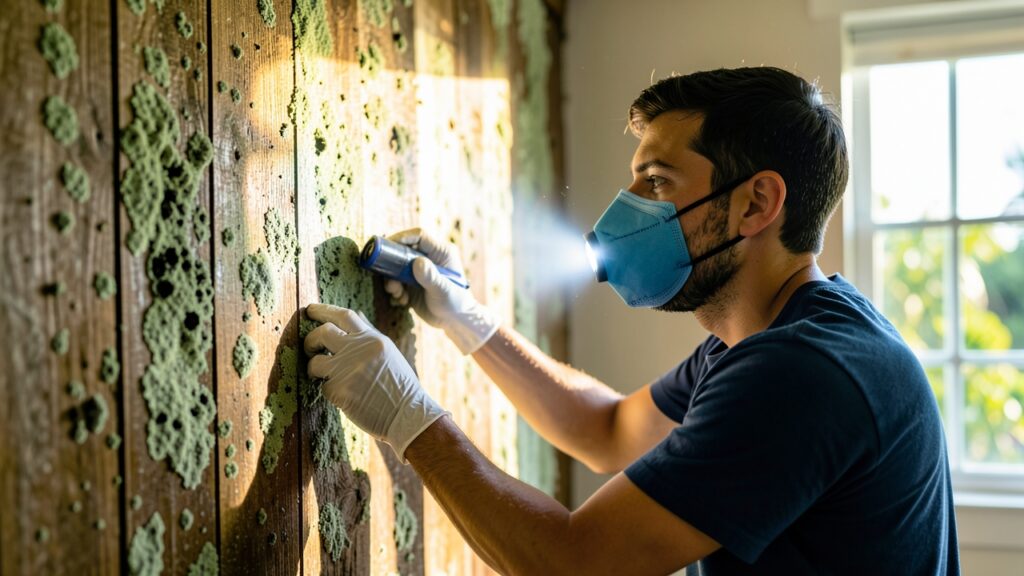
- Are there visible black, green, or white fuzzy patches on walls or ceilings?
- Have you experienced unexplained allergy symptoms or respiratory issues at home?
- Do you see bubbling paint or warped wood in humid rooms?
If you answered yes to any of these, it’s time to schedule a mold inspection and testing before the rainy season gets worse. I use professional-grade Sporicidin treatments and HEPA air scrubbers during remediation, which makes a world of difference compared to DIY attempts.
How I Handle Mold Remediation Jobs During Key Biscayne’s Rainy Season
Here’s the thing: every mold remediation I do during rainy season starts with a thorough inspection to identify moisture sources. I use moisture meters from Protimeter and thermal imaging to find hidden leaks that may feed mold growth. Then I isolate the area with containment barriers to prevent spores from spreading.
The EPA recommends using EPA-registered disinfectants and following safety protocols, which I follow strictly. I don’t cut corners by just spraying over mold or wiping it off. I remove affected materials, treat structural wood with antimicrobial agents, and set up dehumidifiers immediately after cleanup.
If you want a real example, a recent job in the Rickenbacker neighborhood involved water intrusion under a raised floor after a tropical storm. The homeowner tried a DIY approach first but the mold returned within a month. After I stepped in, we removed the damaged plywood, treated the joists with Concrobium antimicrobial spray, and installed a temporary dehumidifier system. The mold hasn’t returned in over six months.
I’m usually available same-day for emergency mold remediation during heavy storms, which can be a lifesaver if you catch it early.
FAQ: How To Handle Mold During Rainy Season In Key Biscayne, FL
- Is it safe to try mold removal myself during the rainy season?
- Small surface mold can sometimes be cleaned with proper PPE and EPA-registered cleaners, but in humid climates like Key Biscayne, mold often hides deep inside materials. Professional mold remediation is safer and more thorough.
- When should I schedule mold inspection and testing?
- As soon as you notice signs of mold growth indoors or after any flooding event. Early detection helps avoid costly repairs later on.
- How much does mold remediation cost in Key Biscayne?
- Typical jobs range from $800 to $3,000, but it varies. I provide free estimates and explain what you’re paying for honestly.
If you want to dive deeper into costs, you can check out my breakdown on Breaking Down Mold Remediation Cost in Miami Gardens, which shares insights that apply locally as well.
Honestly, mold remediation during rainy season demands respect for timing, materials, and local climate quirks. I stand behind my work with a labor warranty and will come back if something isn’t right. If you want a real partner who knows Key Biscayne’s seasonal mold problems, start with a proper inspection and don’t wait till it gets worse.