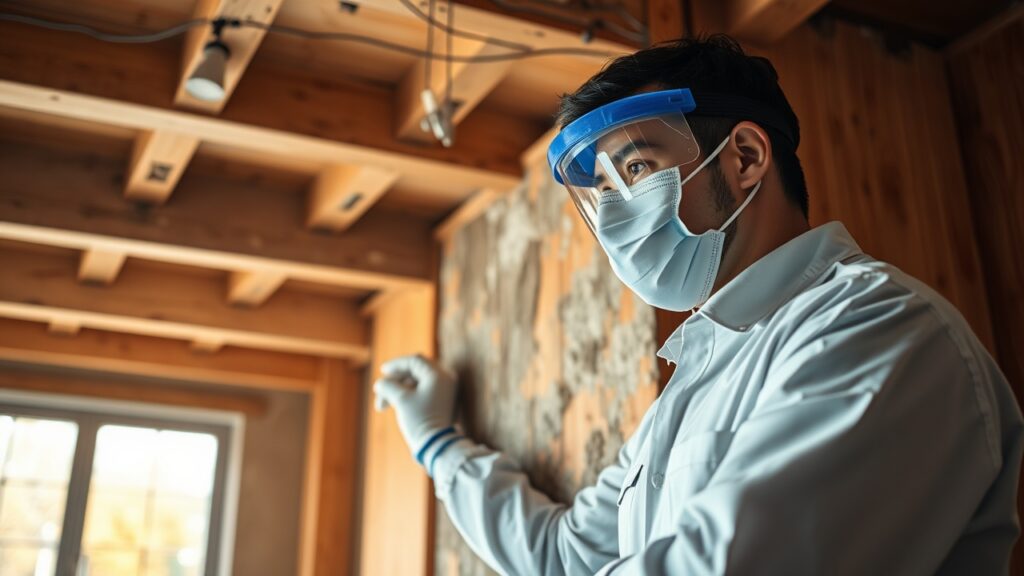
Why the Mold Inspection and Testing Process in Opa-locka, FL Demands More Than Just a Visual Check
After mold inspection and mold remediation in Opa-locka, FL, I can tell you exactly why the standard advice on this is wrong — and it has nothing to do with what most guides say about just looking for mold patches. Most problems hide behind walls or under flooring, and if you don’t have a clear mold inspection steps checklist, you’ll miss the damage until it’s expensive to fix.
I’ve been licensed and insured doing this work here in Opa-locka. That context matters because the local climate and building stock make mold growth patterns unusual compared to other parts of Florida. When I show up, I don’t just look; I measure, test, and assess — often using trusted products like Sporicidin for surface testing and HEPA filtration during cleanup. This isn’t about just scrubbing visible mold, it’s about understanding the full scope of contamination.
The mold inspection and testing process in Opa-locka, FL requires more than a visual check because mold often grows hidden behind walls, under floors, or inside HVAC systems, making it undetectable by sight alone. Comprehensive testing, including air and surface sampling, is essential to identify mold types and contamination levels accurately, ensuring effective remediation and protecting indoor air quality.
The Part Most Companies Skip: Detailed Mold Testing and Assessment
Most companies will tell you a quick visual inspection is enough. Here’s what I’ve actually found: relying on just what you can see leads to missed mold pockets and recurring problems. The standard advice of “if you don’t see mold, you don’t have it” is flat wrong.
In Opa-locka, FL, the high humidity combined with the city’s older homes—especially near Northwest 27th Avenue and the Miami Gardens neighborhood—means mold often grows inside walls, floor joists, or attic spaces, where air circulation is poor. A surface mold test or visual inspection won’t catch this. That’s why a professional mold inspection Opa-locka includes moisture meters, air quality testing, and sometimes borescope cameras to peek inside walls.
According to IICRC guidelines, proper remediation requires you to identify all hidden mold before starting cleanup. Skipping this leads to costly mold damage restoration Florida-wide, and I’ve seen it happen too many times when homeowners try to save money on a cheap inspection.
How to Test for Mold: The Mold Inspection Steps Checklist I Follow
I handle hundreds of home mold inspection Opa-locka calls every year. Here’s the checklist I use — it’s something every homeowner should know to avoid surprises:
- Initial Walk-Through: Look for obvious signs of mold in house like discoloration, musty odors, or water stains.
- Moisture Mapping: Use moisture meters to find damp areas behind walls or under flooring.
- Air Sampling: Test indoor air for mold spores concentration versus outdoor levels.
- Surface Sampling: Collect samples from suspected mold patches for lab analysis, using trusted products like Sporicidin wipes.
- Infrared Scanning: Optional step to detect hidden moisture pathways especially important in Opa-locka’s aging building stock.
- Report & Recommendations: Provide a detailed report with findings and scope for mold removal and cleanup.
Why Opa-locka’s Humidity and Local Weather Shape Mold Risks Differently
I’ve noticed that here specifically, the South Florida humidity combined with frequent summer storms creates a perfect storm for hidden mold growth. After a hurricane or heavy rain, the pattern I always see in neighborhoods like Golden Glades is water intrusion from poorly sealed roofs or flooding in low-lying areas that leads to mold behind drywall and under carpets.
Plus, Opa-locka’s soil drainage is notorious for slow runoff, so basements and crawl spaces stay damp longer compared to other spots in Miami-Dade County. That means mold can persist months after a flood event if mold remediation Opa-locka FL isn’t handled right away.
Another local quirk: if you’re under a homeowner’s association, you might need remediation permits similar to what I wrote about for South Miami, which can slow down quick fixes. Planning for that upfront saves headaches later.
What a Fair Cost of Mold Inspection Looks Like Around Here
I get calls all the time asking about price. Honestly, most Opa-locka mold removal services charge somewhere between $300 and $700 for a thorough mold testing and assessment, depending on your home size and complexity. If anyone quotes less, be wary — corners get cut.
Remember, a cheap visual-only mold inspection is almost useless in Opa-locka. I give free estimates on everything and if the problem isn’t worth fixing, I’ll tell you straight. For urgent calls I’m usually available same-day, and everything I do comes with a 2-year warranty on labor — that’s not standard in this industry.
Signs You Need Mold Remediation: A Diagnostic Checklist
Mold damage can show up in subtle ways. Before you decide to try DIY cleanup, watch for these signs:
- Persistent musty smell, especially after rain or high humidity days
- Water stains or peeling paint on walls and ceilings
- Visible patches of black, green, or white mold on surfaces
- Health symptoms like coughing, headaches, or allergic reactions indoors
- Warped or soft drywall and flooring
- Condensation buildup on windows or pipes
If you spot one or more of these, it’s time to get a professional mold inspection and testing process done. Some people ask me, “Is it safe to test for mold yourself?” The short answer: you can do surface sampling with kits, but you won’t catch hidden mold or accurately assess airborne spores without proper equipment and know-how.
How I Use Brand-Trusted Tools to Deliver Reliable Mold Removal and Cleanup
In my experience, using the right products makes all the difference. For surface cleaning, I rely on EPA-registered Sporicidin—it kills mold without harsh fumes, which is key in homes with kids or pets. For air filtration during remediation, I use HEPA filters from trusted brands like IQAir to trap spores and improve indoor air quality immediately.
Many companies skip proper air filtration or use cheap chemicals that only mask the problem. I’ve seen how that leads to mold returning within months. Accurate mold assessment experts Opa-locka trust the IICRC S520 standard, and I follow that too, which includes containment, filtration, and moisture control.
Three Questions You Should Ask Before Signing Up for Mold Remediation Opa-locka FL
When you’re deciding who to trust with mold remediation, I recommend asking:
- “How do you conduct your mold inspection and testing process?” Do they only look, or do they test air, surfaces, and moisture?
- “What brands and products do you use for cleanup?” Are they safe and EPA-approved like Sporicidin and HEPA filtration?
- “Do you offer a warranty or guarantee on your work?” I stand behind my labor with a 2-year warranty — you want someone who will come back if it’s not right.
As for timing, I usually recommend getting a mold inspection done right after storm season or if you’ve noticed signs of mold in house for more than a month. Waiting only makes mold damage restoration Florida-wide more expensive and complicated.
FAQs About Mold Inspection and Remediation in Opa-locka
- Q: How much does mold remediation cost in Opa-locka, FL?
A: Mold inspection typically runs $300–$700; full remediation depends on severity but usually starts around $1,000. - Q: Can I test my home for mold myself?
A: You can do simple surface tests, but professional mold testing and assessment is the only way to find hidden mold and air quality issues. - Q: What causes mold to come back after remediation?
A: Usually unresolved moisture problems or incomplete removal. That’s why thorough inspection and moisture control are key.
If you want to understand more about how mold grows indoors and how seasonal factors play into it, I wrote about that in detail here: Need to Understand How Mold Grows Indoors? A Mold Remediation Expert Explains Seasonal Factors.
Mold inspection is more than a quick look and some surface wipes. If you suspect mold in your Opa-locka home, especially with the city’s hot, humid climate and aging homes, don’t gamble. I’ve done the hard work of mastering the testing process and know how to spot trouble before it costs you thousands. I’ll come back if something isn’t right, and that’s my promise here.