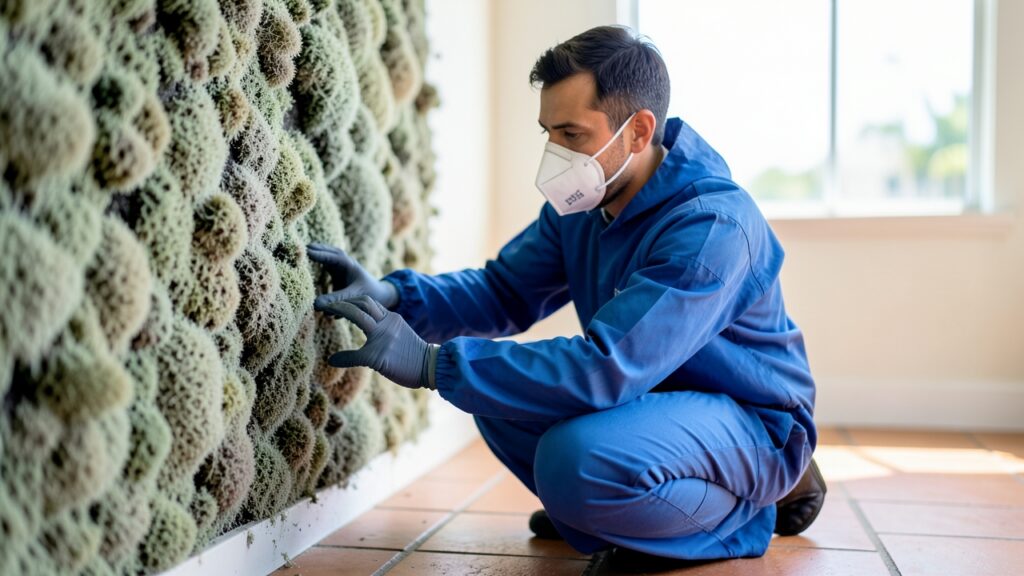
Understanding Remediation Permits in South Miami: What You Really Need to Know
I’ve handled mold remediation in South Miami, FL, and I can tell you that the biggest expense and delay I see isn’t from the mold itself — it’s from not understanding the mold remediation regulations here. Most homeowners don’t realize how much the local rules affect permits, inspections, and even pricing. I’ve been licensed and insured in South Miami, so I’ve seen every twist and turn these regulations throw at us contractors.
Knowing what you need before you start the South Miami mold cleanup process can save you weeks and thousands of dollars. The permits, the way inspections are handled, and the local codes can all trip you up. If you want a clear picture of how to navigate mold remediation regulations Miami-Dade without getting stuck, keep reading.
In South Miami, remediation permits are required for mold removal projects to ensure compliance with local health and safety regulations. These permits verify that mold remediation is conducted by certified professionals using approved methods, protecting property owners and occupants from potential hazards. Obtaining a permit is essential to avoid fines and ensure effective, code-compliant mold remediation.
The Part Most Companies Skip About Mold Remediation Regulations
Most companies tell you that getting a mold remediation permit in South Miami is a formality — just a quick filing, no big deal. Here’s what I’ve actually found: skipping or underestimating the permit process can turn a manageable mold removal job into a drawn-out nightmare.
Here’s the truth: the local mold remediation codes Florida require specific documentation and proof that the mold is properly contained and removed according to IICRC S520 standards. The City of South Miami and Miami-Dade County have overlapping requirements, and you must comply with both. Attempting DIY mold inspection and removal without a permit can lead to fines or even forced remediation redo — which nobody wants.
It’s not just paperwork. The permit involves an initial inspection by a licensed mold remediation contractor and then a final clearance test often using HEPA filtration and air sampling. If the remediation doesn’t meet IICRC guidelines, the city won’t sign off. So hiring someone who understands these Miami-Dade mold licensing requirements upfront saves you headaches and money.
How To Get a Mold Remediation Permit in South Miami
The short answer: you start with a licensed mold inspector who documents the affected areas and contamination level. Then, a licensed remediation contractor files the permit application with the City of South Miami’s Building Department.
- Schedule a professional mold inspection and removal assessment — not just a visual check, but a thorough evaluation with moisture meters and air sampling.
- Submit the inspection report and a detailed remediation plan to the Miami-Dade County Environmental Resources Management office.
- Get the remediation permit — this allows you or a licensed contractor to perform the cleanup legally.
- Complete the mold removal with proper containment, negative pressure using HEPA filtration units (I use brands like Sporicidin and Concrobium for treatment), and debris disposal.
- Schedule a clearance test to prove mold levels are back to safe limits.
- Get final sign-off on your permit from South Miami inspectors.
Understanding this process is critical because skipping any step voids your remediation warranty. Everything I do comes with a 5-year warranty on labor — that’s not standard in this industry, and it reflects my confidence in following regulations properly.
Why South Miami’s Humidity Changes the Game for Mold Remediation
I’ve noticed that here specifically — with the tropical climate and proximity to Biscayne Bay — humidity never really drops below 60%, even in winter. That constant moisture affects how mold grows on building materials, especially in older neighborhoods like Ludlam Trail and Coral Gables.
After a big rain or hurricane season, the pattern I always see is mold creeping behind walls and under flooring because the soil drainage here is often poor. The Florida Building Code requires specific moisture barriers and ventilation to prevent recurring mold problems, but many homes built before these codes were enforced don’t meet those standards.
This means a simple mold damage repair South Miami FL job can turn into a larger project, involving cutting out drywall or replacing underlayment. I always advise homeowners to budget accordingly — many mold removal jobs in South Miami run $1500 to $4000 depending on square footage and severity, with permits and testing adding to the cost.
Three Questions You Should Ask Before Hiring Mold Remediation Services Miami-Dade
- Are you licensed under Miami-Dade mold licensing requirements? Not every company meets the local and state licensing standards, which can leave you exposed.
- Can you provide detailed documentation for the remediation permit? This shows they understand local regulations and will handle the paperwork, saving you from surprises.
- What’s your warranty and follow-up policy? Mold can come back if the job isn’t done right. I offer a 5-year labor warranty and come back if something isn’t right — no extra charge.
Signs You Need Mold Remediation: A Diagnostic Checklist
If you’re wondering “Is it safe to wait on mold inspection and removal?” here’s what you should look for before calling me or another licensed contractor:
- Visible mold growth on walls, ceilings, or baseboards, especially in bathrooms or kitchens
- Musty, damp odors that linger after airing out your home
- Recent history of water intrusion — from hurricanes, leaks, or flooding
- Health symptoms like headaches, allergies, or respiratory irritation that worsen at home
- Peeling or bubbling paint and warped drywall
mold testing and remediation Miami professionals can confirm whether the spores are harmful or just cosmetic. According to the CDC, mold exposure can exacerbate respiratory issues, especially in sensitive groups, so don’t wait if you suspect mold.
Understanding the Cost of Mold Removal South Miami: What’s Fair?
The cost of mold removal South Miami varies widely — but here’s what I’ve learned: most residential mold remediation jobs here fall between $1500 and $4000. The price hinges on several factors:
- Extent of mold contamination and affected square footage
- Need for demolition or replacement of materials like drywall and insulation
- Permit fees and inspection costs mandated by South Miami and Miami-Dade County
- Whether advanced treatments and air filtration (I use Sporicidin and HEPA filtration units) are necessary
Anything significantly below $1500 is likely cutting corners — I give free estimates on everything, and if it’s not worth fixing, I’ll tell you that upfront. For urgent calls, I’m usually available same-day to inspect and start the process, which can save you from escalating damage.
Wrapping It Up: Don’t Overlook Local Rules or You’ll Pay Twice
The remediation permits in South Miami aren’t just red tape. They ensure professional standards and safe mold removal that lasts. I’ve seen homeowners try to DIY or hire unlicensed contractors, only to have mold return or worse, their insurance deny claims because the work wasn’t permitted.
If you’re dealing with mold in neighborhoods like Shenandoah or near Coral Way, pay special attention to drainage and ventilation issues — those older homes are more susceptible. Take your time to ask the right questions about licensing and permits. The IICRC recommends following strict protocols for containment and clearance testing, but meeting local codes is just as critical here.
For more insight on eco-friendly and effective mold treatments adapted to South Florida’s climate, check out Eco-Friendly Mold Remediation in Your Area: What Industry Experts Recommend. And if you need something fast during hurricane season, this guide on Need Mold Remediation Fast? A Local Expert Explains Emergency Solutions That Actually Work can help.