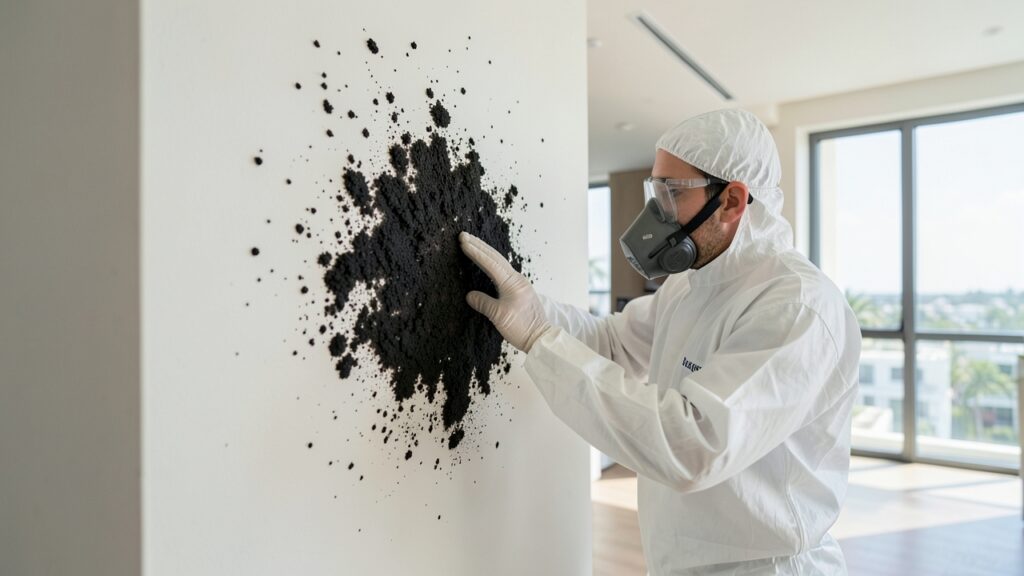
Why Miami Homes Are Especially Vulnerable to Mold
As a mold remediation professional in Miami, FL, I’ve observed firsthand how the unique climate and environment here create the perfect storm for mold growth. Miami’s year-round tropical humidity averages around 75% relative humidity, which means moisture is almost always present in the air. This constant moisture saturation encourages mold spores to settle and thrive on porous surfaces such as drywall, wood framing, and carpets.
Additionally, Miami’s annual hurricane season brings heavy rainfall and flooding that can saturate homes and building foundations. Many homeowners experience water intrusion during storms, leading to hidden mold growth behind walls, under floors, and inside HVAC systems. The combination of sudden flooding and persistent humidity makes mold a persistent challenge.
Another significant factor is Miami’s aging housing stock. Many homes here were built decades ago when construction materials and moisture barriers weren’t as advanced or rigorously applied as they are today. Older homes often have cracks, leaks, and insufficient ventilation, all of which allow moisture to seep in and mold to develop unchecked.
Because of these factors, I always tell my clients that mold remediation in Miami, FL isn’t just about treating visible mold—it’s about addressing the underlying moisture problems caused by the climate, storms, and building structures unique to our region.
The Most Common Mold Types Found in Miami Homes
Over the years, I’ve encountered a variety of mold species in Miami homes, but some types appear more frequently due to the local climate and moisture conditions. Here are the molds I see most often:
- Cladosporium: This mold is one of the most common in Miami homes. It can grow on damp surfaces, including wood, carpets, and fabric. It often appears as black or green spots and can trigger allergic reactions.
- Aspergillus: Aspergillus thrives in humid environments and can grow on walls, insulation, and air ducts. It can cause respiratory issues, especially in people with weakened immune systems.
- Penicillium: Known for its fast growth, Penicillium often develops after water damage and floods, commonly found in damp drywall and carpeting. It can produce a musty odor and sometimes toxic compounds.
- Stachybotrys Chartarum (Black Mold): This infamous black mold requires constant moisture to thrive. It’s usually found in areas with prolonged water damage like behind wallpaper or under leaky sinks. While not always dangerous, it can pose health risks if left untreated.
- Alternaria: Alternaria is a dark-colored mold that grows in damp areas like bathrooms and kitchens. It’s a known allergen and can exacerbate asthma symptoms.
Knowing the types of mold common to Miami helps me tailor my mold remediation services to effectively tackle the specific challenges homeowners face here.
Warning Signs You Have a Mold Problem (and What They Mean)
One of the biggest challenges in mold remediation Miami FL is that mold often grows unseen, hidden behind walls or under floors. However, there are several warning signs homeowners should watch for that often indicate a mold problem:
- Musty Odors: A persistent, damp, or musty smell inside your home is often one of the first clues that mold is present, even if you can’t see it.
- Visible Discoloration: Dark spots or patches on walls, ceilings, or baseboards often signal mold colonies. These can range from black and green to white or even orange hues.
- Water Damage & Stains: Water stains, bubbling paint, or warped drywall often indicate moisture intrusion, which creates ideal mold growth conditions.
- Health Symptoms: New or worsening allergy-like symptoms such as sneezing, coughing, nasal congestion, or skin irritation can be caused by mold exposure.
- Condensation & Dampness: Frequent condensation on windows, pipes, or walls, as well as damp or wet spots that don’t dry out, often indicate a moisture problem feeding mold growth.
When I visit a home for a free mold inspection, these are the signs I carefully evaluate to determine the extent of the mold problem and the best course of action for remediation.
The Professional Mold Remediation Process in Miami: Step by Step
Based on my experience with hundreds of Miami mold remediation projects, the process generally follows these key steps to ensure thorough and lasting results:
- Inspection and Mold Testing: I begin with a detailed visual inspection combined with moisture readings and, if necessary, lab testing to identify the mold types and affected areas.
- Containment: To prevent mold spores from spreading during remediation, we seal off the affected area using plastic sheeting and negative air pressure machines.
- Removal of Contaminated Materials: Porous materials heavily infested with mold, such as drywall, insulation, and carpeting, are carefully removed and disposed of according to local regulations.
- Cleaning and Disinfection: We use specialized antimicrobial treatments to clean all surfaces and kill any remaining mold spores. HEPA vacuums and air scrubbers are then employed to filter the air.
- Drying and Moisture Control: Thorough drying is crucial. We use commercial dehumidifiers and industrial fans to eliminate moisture and prevent mold from returning.
- Repair and Restoration: After remediation, we coordinate repairs like drywall replacement and repainting to restore your home to its pre-mold condition.
- Final Clearance Testing: A follow-up inspection and air quality testing ensure that mold levels are back to safe standards before the job is considered complete.
We always recommend hiring licensed professionals who understand Miami’s unique climate challenges to ensure effective and safe mold remediation.
How Much Does Mold Remediation Cost in Miami, FL?
Cost is one of the most common questions I get from homeowners facing mold issues. Mold remediation costs in Miami, FL vary widely based on the severity of the infestation, the size of the affected area, and the complexity of the job.
Generally, small mold remediation projects involving less than 10 square feet of mold can cost between $500 and $1,500. For moderate infestations covering 10 to 100 square feet, costs typically range from $1,500 to $5,000. Large or severe mold problems, especially those requiring structural repairs or dealing with flood damage, can exceed $10,000 or more.
Additional factors affecting price include the need for specialized testing, the removal of expensive materials, and the duration of drying and remediation. I always provide a transparent, detailed quote after the initial inspection so homeowners know exactly what to expect.
For affordable and reliable mold remediation services in Miami, I recommend contacting the Miami Mold Remediation Pros for a free consultation.
Black Mold vs. Other Mold Types: What Miami Homeowners Must Know
Black mold, or Stachybotrys chartarum, gets a lot of attention because of its association with health risks and its distinct dark greenish-black appearance. However, in my experience, it’s important for Miami homeowners to understand that all mold types can pose problems and require professional remediation.
Black mold requires constant moisture to thrive, so you’ll often find it in areas with ongoing leaks or flooding. It can produce mycotoxins that may cause respiratory issues, allergic reactions, and other health problems, especially for children, the elderly, or those with compromised immune systems.
Other common molds like Cladosporium and Aspergillus might not always produce toxins but can still cause allergic reactions and worsen asthma symptoms. In Miami’s humid climate, these molds are just as prevalent and just as important to address promptly.
I always stress to clients that the best approach is not to panic over the mold species but to act quickly to have any mold professionally assessed and remediated to protect your family’s health and home value.
Does Homeowners Insurance Cover Mold Remediation in Miami?
Many Miami homeowners ask if their insurance policy will cover mold remediation costs. The answer is—it depends. Standard homeowners insurance policies often exclude mold damage unless it results from a covered peril like sudden water damage from a burst pipe or a storm.
In cases where mold is caused by long-term neglect, humidity, or slow leaks, insurance companies typically deny coverage. However, after hurricane-related flooding, some policies may provide mold remediation coverage, especially if you have additional flood insurance or mold riders.
In my experience, it’s crucial to review your policy carefully and speak directly with your insurance agent. We always recommend documenting the mold condition with photos and mold inspection reports to support any claims.
For accurate mold remediation in Miami, FL and insurance guidance, partnering with experienced professionals like Miami Mold Remediation Pros can help you navigate this process smoothly.
After Hurricane Season: Preventing Mold Before It Takes Hold
Hurricane season in Miami brings inevitable flooding and water intrusion risks that can lead to mold growth if not addressed promptly. From my years of experience, the key to preventing mold after storms is fast, thorough drying and moisture control.
Here are some steps I recommend to Miami homeowners after hurricane season:
- Inspect for Water Damage: Check basements, crawl spaces, walls, and attics for signs of standing water, leaks, or dampness.
- Dry Wet Areas Quickly: Use fans, dehumidifiers, and open windows to speed drying. The faster you dry materials, the less chance mold has to grow.
- Remove Damaged Materials: Porous items like carpets, drywall, and insulation that remain wet for over 24-48 hours should be removed to prevent mold colonies.
- Improve Ventilation: Increase air circulation in your home, especially in humid areas like bathrooms and kitchens.
- Consider Professional Inspection: Even if you don’t see obvious mold, a professional mold inspection can identify hidden problems early.
We always advise Miami homeowners to be proactive and call for a mold inspection after any significant flooding event to avoid costly remediation down the line.
How to Choose the Right Mold Remediation Company in Miami
Finding a trustworthy mold remediation company in Miami can be overwhelming with so many options available. From my perspective as a local professional, here are the key qualities to look for:
- Local Expertise: Choose a company with extensive experience handling Miami’s unique climate and building challenges. I’ve found local knowledge invaluable in identifying common mold issues and moisture sources.
- Proper Certification and Licensing: Ensure the company is licensed, insured, and certified by reputable organizations like the IICRC (Institute of Inspection Cleaning and Restoration Certification).
- Comprehensive Services: The best companies offer a full range of mold remediation services, including inspection, testing, containment, removal, and restoration.
- Transparent Pricing: A reliable company will provide a detailed written estimate after inspection without hidden fees.
- Positive Reviews and References: Look for companies with strong customer feedback and willingness to provide references from previous Miami clients.
- Use of Advanced Equipment: Professional-grade air scrubbers, HEPA vacuums, moisture meters, and antimicrobial treatments are essential for effective remediation.
By prioritizing these factors, Miami homeowners can confidently select a remediation specialist that will protect their home and health.
If you suspect mold in your Miami home or want peace of mind, don’t wait. Contact the experts for a free mold inspection and personalized remediation plan today.
Frequently Asked Questions About Mold Remediation in Miami, FL
How quickly should I act if I find mold in my Miami home?
You should act immediately. Mold can begin growing within 24-48 hours after moisture exposure, and delaying remediation can increase health risks and damage to your home. Contact a professional mold remediation company as soon as you suspect mold to assess and address the issue promptly.
Is mold remediation a DIY project I can handle myself?
While small mold patches might be cleaned with proper safety precautions, I strongly advise against DIY remediation for larger infestations. Professional mold remediation ensures thorough removal, prevents cross-contamination, and addresses underlying moisture problems to prevent recurrence.
Can mold grow inside air conditioning systems in Miami?
Yes, Miami’s humid climate makes HVAC systems a common place for mold growth, especially if filters aren’t changed regularly or ducts have moisture buildup. Mold in air systems can spread spores throughout your home, making professional cleaning and remediation essential.
How long does the mold remediation process usually take?
The duration depends on the size and severity of the mold problem. Small jobs can take a day or two, while larger or flood-related remediation may take several days to weeks, especially when drying and restoration are involved. A professional inspection will give you a clearer timeline.
What steps can I take to prevent mold growth year-round in Miami?
Maintaining good ventilation, using dehumidifiers, promptly repairing leaks, and ensuring proper drainage around your home are key steps. Regular professional inspections and addressing water damage immediately also help keep mold at bay in Miami’s humid environment.
Ready to protect your Miami home from mold? Call the Miami Mold Remediation Pros today for a free, no-obligation mold inspection and take the first step toward a healthier, safer living environment.