Mold Remediation in Florida, FL: What You Need to Know About Mold Growth and Cleanup
I can tell you exactly why the standard advice on mold removal here is wrong — and it has nothing to do with typical DIY fixes or generic moisture control tips. The real issue is how Florida’s unique climate and building styles play into persistent mold problems, and that’s what I want to clarify first.
I’m licensed and insured doing mold remediation in Florida, FL, so that context matters when I say most homeowners and even some mold cleanup companies Florida call on miss key points that turn a manageable job into a bigger mess.
Mold remediation in Florida requires prompt action due to the state’s high humidity and frequent rainfall, which create ideal conditions for mold growth. Effective cleanup involves identifying moisture sources, thorough removal of contaminated materials, and professional treatment to prevent recurrence and protect indoor air quality.
The Part Most Companies Skip: Why Mold Testing Alone Doesn’t Solve Your Miami Problem
Most mold remediation contractors Miami recommend starting with expensive mold testing and then chasing every black spot you find with harsh chemicals. Here’s what I’ve actually found: testing is useful only when paired with a thorough inspection that includes hidden moisture sources and structural vulnerabilities. Otherwise, you’re just spraying and hoping.
Many guides push homeowners toward testing as if it’s a magic wand. In Florida, FL, that’s usually wrong — and here’s why: you can have elevated mold spore counts floating in the air for reasons unrelated to active infestation. The real enemy is ongoing moisture intrusion from Florida’s summer storms and the way older Miami homes breathe. Without addressing those, mold remediation is a band-aid, not a cure.
The IICRC recommends that proper remediation requires identifying and fixing the moisture source before or alongside mold removal, which is exactly what I emphasize every time. Testing alone doesn’t stop new growth. If you want lasting results, invest in a mold inspection Miami FL that digs deeper than surface sampling.
What I’ve Seen Only Here: Florida’s Humidity and Its Role in Mold Damage Restoration
Florida’s combination of heat and humidity is a relentless mold accelerator. In neighborhoods like Little Havana or Coconut Grove, buildings are often older, with less-than-ideal drainage and ventilation. After a storm, the pattern I always see is new mold cropping up behind drywall, under kitchen cabinets, and in attics where the AC can’t reach. That’s because moisture lingers longer in Florida’s dense air.
Seasonal mold prevention Florida homeowners need to think about isn’t just about running a dehumidifier or waiting for the dry season. It’s about detailed moisture control all-year-round. The summer mold growth Miami faces is not just a seasonal nuisance; it’s a structural threat that can cost thousands if it penetrates framing or HVAC systems.
For example, I often get called to handle mold removal in Miami bathrooms and attics where condensation builds up on old fiberglass insulation. The older the home, the more likely you’ll find mold behind walls, especially if the original builder didn’t account for Florida’s hot weather mold problems by installing proper vapor barriers or soffit vents.
Three Questions You Should Ask Before Hiring Mold Remediation Contractors Miami
- Are you licensed and insured specifically for mold remediation in Florida, FL? Many companies say they’re licensed but don’t hold the proper certification or insurance required by Florida Building Code and IICRC S520 standards.
- Do you offer a warranty on your mold cleanup work? I back my labor with a 2-year warranty. If mold returns due to anything I missed, I come back and fix it at no extra charge. That’s not standard, but it should be.
- Can you provide a fair and transparent estimate upfront? I give free estimates on all jobs and explain exactly what’s involved. Some places surprise you with hidden fees or upsell unnecessary services. I value being straight with clients.
Signs You Need Mold Remediation: A Diagnostic Checklist
Knowing what to look for can save you money and health risks. Here are the signs of mold growth in Florida homes that you should never ignore:
- Musty odors in closets, basements, or behind furniture
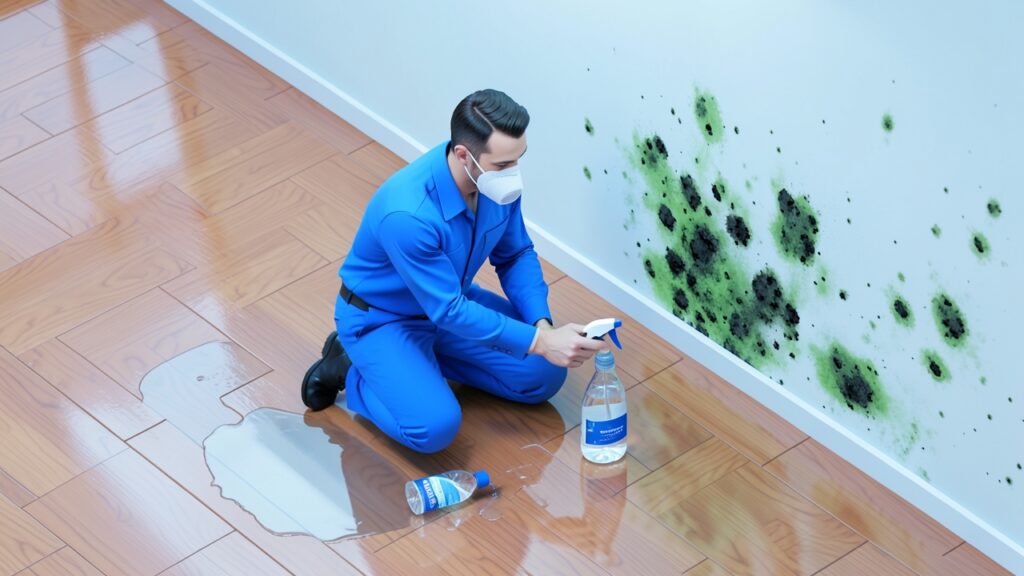
- Visible black, green, or white fuzzy growth on walls, ceilings, or floors
- Water stains or discoloration after heavy rains or AC leaks
- Increased allergy or respiratory symptoms when indoors
- Peeling wallpaper or paint bubbling
- Warped wood or drywall in humid areas like bathrooms or kitchens
If you notice any of these, don’t wait. How much does mold remediation cost in Miami, FL? For small jobs, I’d say most run between $500 and $1,500 depending on how deep the mold has penetrated. For larger jobs involving demolition and mold damage restoration Florida-wide, prices can rise accordingly. I’m always upfront about costs before starting.
Best Mold Prevention Tips Miami Summer: What Actually Works
How to prevent mold in Miami summer is one of the most common questions I hear. Here’s the short answer: control moisture, improve airflow, and keep surfaces clean. Here’s what I recommend:
- Run a reliable dehumidifier in high-humidity months and basements. I prefer models with HEPA filters by brands like Honeywell or Frigidaire for better air quality.
- Maintain your AC unit by scheduling yearly service with a focus on mold contamination prevention — many ACs spread spores if not cleaned properly. I’ve seen Carrier units that, when neglected, become breeding grounds for mold.
- Seal leaks promptly. After storms, check roofs and windows. Florida’s hurricane season brings repeated water intrusion that invites mold.
- Ventilate attics and crawl spaces adequately. Simple soffit or ridge vents reduce trapped moisture, especially in older homes on streets like Coral Way.
- Use mold-resistant paint and materials where possible in renovation projects.
The Health Risks of Mold Exposure Florida Homeowners Need To Understand
The health risks of mold exposure Florida residents face vary but can be serious, especially for kids, the elderly, or anyone with asthma. I’ve seen cases where ignored mold infestations led to persistent respiratory infections or skin irritation. The CDC highlights that prolonged exposure to mold can cause allergic reactions, asthma attacks, and other respiratory issues.
That’s why I always recommend not just removing the mold but also addressing indoor air quality. When I do mold testing and remediation Miami clients often ask if it’s safe to DIY. I’ll be straight with you — small surface mold might be manageable with the right gear and cleaners like Concrobium, but anything beyond that needs professional-grade containment and cleanup to avoid spreading spores or inhaling toxins.
FAQ: Common Questions About Mold Remediation in Florida, FL
- Q: How long does a typical mold remediation job take?
Depending on size and severity, I’d say 2-4 hours for small jobs, up to several days for extensive damage restoration. - Q: Can mold come back after remediation?
Yes, if moisture issues aren’t fixed. That’s why I emphasize both cleanup and prevention to clients. - Q: Is mold inspection Miami FL necessary before remediation?
Absolutely. A thorough inspection helps target all affected areas and sources, avoiding surprises later.
For anyone facing mold troubles around Miami or other parts of Florida, FL, I recommend checking out the Mold Remediation in Miami, FL: What You Need to Know About Mold Removal and Repair for a deeper dive into local cases and strategies.
Honestly, mold remediation in Florida isn’t just about killing spores. It’s about knowing the environment, the building, and the nuances of Miami hot weather mold problems. The difference between a quick fix and a lasting solution is in the details — details I don’t skip.