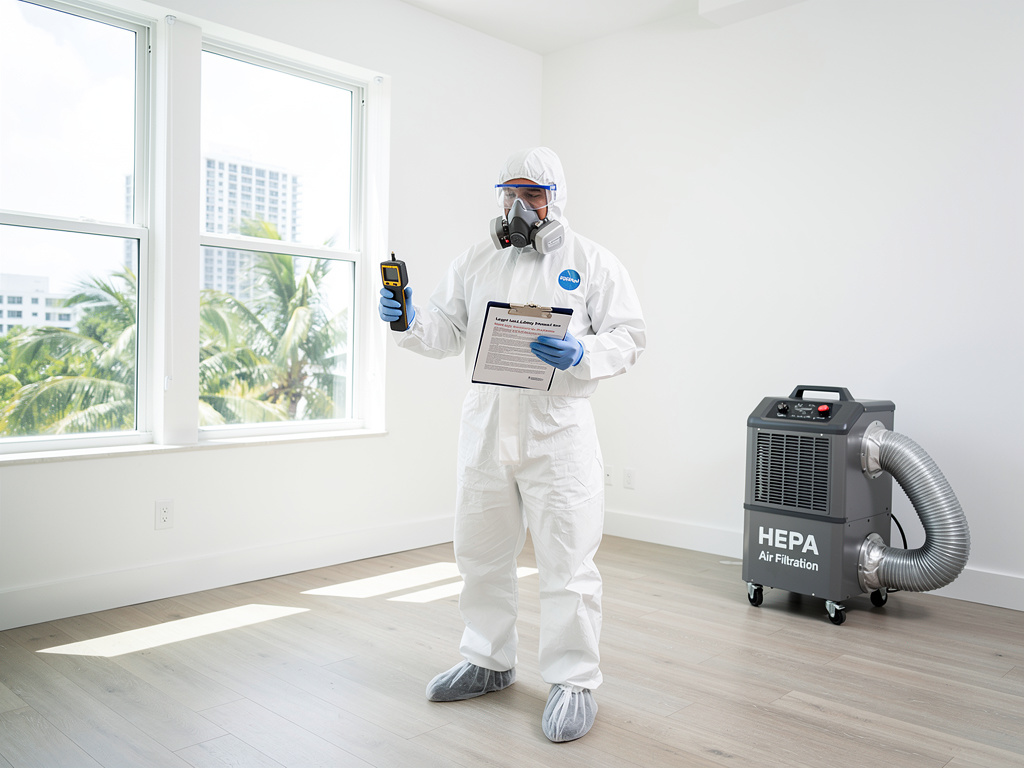
Legal and Liability Issues for Mold in Miami Rental Properties
In Miami’s humid climate, mold in rental properties is a persistent challenge that affects landlords, tenants, and property managers alike. From Wynwood’s historic apartments to Little Havana’s aging housing stock, mold issues can escalate beyond mere maintenance concerns into complex legal battles. Our team at Miami Mold Remediation Pros has handled over 800 mold-related cases across Miami-Dade, giving us firsthand insight into the intricate legal and liability issues surrounding mold in rental properties. Understanding Florida’s implied warranty of habitability and the legal responsibilities under FL Statute 83.51 is vital for landlords and tenants to navigate potential disputes effectively. In this comprehensive guide, we explore landlord-tenant mold liability in Miami, when tenants can withhold rent or break leases, health damage claims related to mold exposure, documentation best practices, and how property managers can protect themselves from legal risks. Knowledge is your strongest defense against the costly consequences of mold litigation in Miami’s rental market.
In Miami, landlords are legally obligated under Florida Statute 83.51 to maintain rental properties free from mold hazards affecting habitability. Tenants can withhold rent or terminate leases if mold problems are not addressed promptly, especially in older neighborhoods like Wynwood and Little Havana. Proper documentation and timely remediation are essential to limit legal liability and avoid costly lawsuits.
Florida’s Implied Warranty of Habitability and Mold: What Landlords Need to Know
Florida’s implied warranty of habitability, codified under FL Statute 83.51, mandates that landlords must provide rental units that are safe, sanitary, and fit for living. This legal requirement explicitly encompasses mold contamination, as unchecked mold growth can render a property uninhabitable due to health risks and structural damage. In Miami, where humidity levels are high year-round, mold thrives, making it a significant concern for landlords, especially in older buildings found in neighborhoods like Little Havana and Wynwood.
Our team has observed that many landlords mistakenly believe that mold issues fall solely under tenant responsibility or routine maintenance. However, under Florida law, landlords must promptly address mold issues once they are aware or should reasonably be aware of the problem. Failure to do so can constitute a breach of the implied warranty of habitability, exposing landlords to legal claims and potential rent withholding by tenants.
Understanding this statute empowers landlords to act swiftly: conducting regular inspections, responding promptly to tenant complaints, and hiring professional mold remediation services. We recommend property managers in Miami-Dade establish clear communication channels and document all mold-related complaints and remedial actions. This proactive approach not only preserves tenant health and property value but also reduces the risk of costly legal disputes related to mold exposure.
When Tenants Can Withhold Rent or Break a Lease Because of Mold
Under Florida law, tenants have specific rights when faced with mold issues that significantly affect their living conditions. If a landlord fails to remedy mold problems that violate the implied warranty of habitability, tenants may be entitled to withhold rent, break their lease, or pursue damages. However, these actions come with legal prerequisites and require careful documentation.
Our experience in Miami’s rental market shows that tenants in older buildings, particularly in Wynwood and Little Havana, are often unfamiliar with their rights regarding mold. Tenants must notify landlords in writing of the mold problem and allow a reasonable time for remediation. If the landlord neglects the issue, tenants can withhold rent or terminate the lease without penalty. We advise tenants to keep copies of all communications, photographs of mold growth, and any medical records related to mold exposure.
Moreover, tenants should be aware that withholding rent improperly can lead to eviction proceedings. Consulting with legal experts and understanding the specific conditions under FL Statute 83.56 and case law is crucial before taking such steps. Our team can assist tenants by providing mold inspection services to document the severity of the mold problem, strengthening their position if legal action becomes necessary.
Landlord Liability for Health Damages Caused by Mold Exposure in Miami
Mold exposure can lead to a variety of health issues, including respiratory problems, allergic reactions, and exacerbation of asthma. In Miami, where older rental properties in neighborhoods like Little Havana often have outdated ventilation and water damage issues, landlords may face legal liability if tenants suffer health damages linked to mold.
While Florida law does not have explicit statutes solely addressing mold-related health claims, courts increasingly recognize landlords’ duty to maintain safe living conditions. Our team has supported numerous cases where tenants claimed landlord negligence for failing to remediate mold, resulting in medical expenses and diminished quality of life.
To mitigate liability, landlords and property managers must respond promptly to mold complaints, conduct thorough inspections, and retain certified mold remediation professionals to document and resolve the issue. Maintaining detailed records of inspection reports, remediation plans, tenant notifications, and medical claims is essential should legal action arise. Our mold remediation services in Miami not only eliminate mold but also provide comprehensive documentation that can be critical evidence in legal proceedings.
Best Practices for Case Documentation and Property Manager Protections
One of the most important steps landlords and property managers can take to protect themselves in mold-related disputes is meticulous documentation. In Miami-Dade’s competitive rental market, having a clear paper trail can make the difference between resolving an issue amicably and facing costly litigation.
Our team recommends the following best practices for property managers:
- Written Tenant Complaints: Always require mold complaints in writing, whether via email or formal letters, and acknowledge receipt promptly.
- Inspection and Remediation Records: Document all inspections with date-stamped photos and professional reports. Use licensed mold remediation companies and keep signed contracts and work completion certificates.
- Communication Logs: Maintain detailed logs of communications with tenants, including reminders and follow-ups about mold issues.
- Preventative Maintenance: Document routine maintenance efforts to control moisture and prevent mold growth, especially in older buildings in Wynwood and Little Havana.
- Legal Correspondence: Keep copies of any legal notices or correspondence related to mold disputes.
By following these steps, property managers can demonstrate due diligence and reduce the risk of tenant claims escalating to lawsuits. For additional protection, we advise consulting with legal counsel familiar with Florida’s landlord-tenant laws and mold liability issues.
When Mold Problems Escalate to Legal Action and How to Avoid It
Mold disputes in Miami rental properties can escalate to mediation, small claims court, or even lawsuits if not managed properly. Escalation often occurs when communication breaks down, documentation is insufficient, or mold remediation is delayed. Our team has witnessed many cases where early intervention and professional remediation prevented costly legal battles.
Common scenarios that lead to legal action include tenants withholding rent without proper notice, landlords ignoring persistent mold complaints, and disputes over health damage claims. To avoid these outcomes, landlords and tenants should prioritize open communication, timely inspections, and professional mold remediation services.
Engaging our Miami Mold Remediation Pros team early can help landlords and tenants understand the severity of the mold problem, obtain certification of remediation, and document compliance with legal obligations. Additionally, property managers should establish clear policies for responding to mold complaints and educating tenants about moisture control and reporting procedures.
Ultimately, preventing mold-related legal issues requires a proactive approach: addressing moisture problems before mold develops, responding quickly to tenant concerns, and maintaining thorough documentation. By doing so, Miami landlords and tenants can minimize liability, safeguard health, and preserve positive rental relationships.
Frequently Asked Questions
Contact Miami Mold Remediation Pros
If you’re facing mold issues in your Miami rental property, call our team today at (645) 241-5434 for professional inspection and remediation services. Protect your property and your tenants with our expert help.
Miami Mold Remediation Pros
📍 4300 Biscayne Blvd STE 203, Miami FL
📞 (645) 241-5434
🌐 https://miamimoldremediation.us