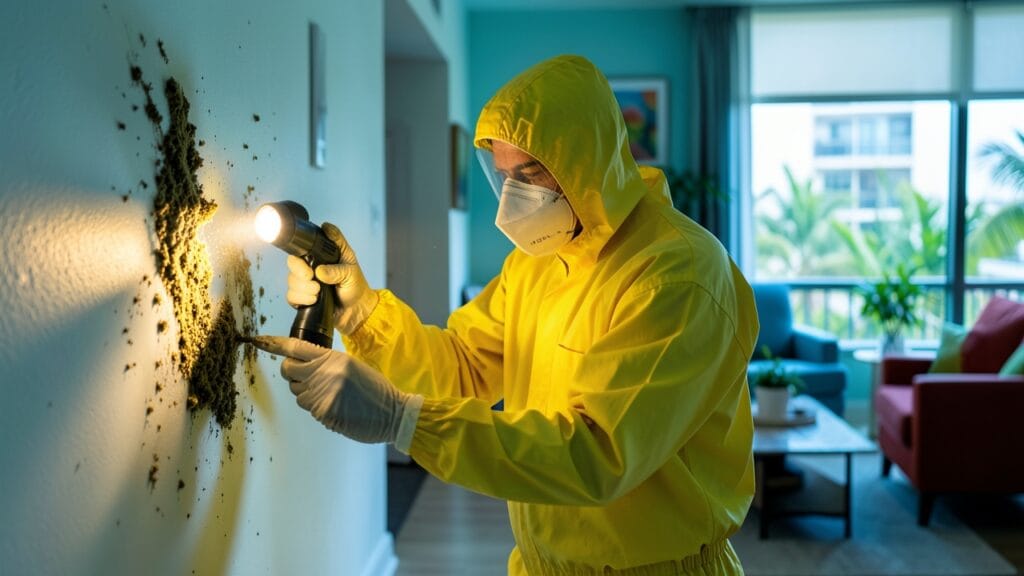
Mold Air Quality Testing in Miami, FL: What I’ve Learned
I’ve handled mold inspection and testing across Miami neighborhoods like Wynwood, Kendall, and Coral Gables. I can tell you exactly why the standard advice on mold air quality testing is often dead wrong — and it has nothing to do with what your average DIY mold test kit promises. I’ve been licensed and insured, and that context matters here, especially when interpreting mold lab analysis results.
I’ve learned that accurate sampling combined with professional analysis is crucial for identifying hidden mold issues, especially in humid environments. Consistent testing helps pinpoint contamination sources, ensuring effective remediation and improved indoor air quality.
The Part Most Companies Skip: Why Mold Air Quality Testing Alone Doesn’t Tell the Whole Story
Most companies tell you to trust mold spore count test results as the final word. Here’s what I’ve actually found in Miami, FL: relying solely on air quality tests or cheap DIY mold test kits is a recipe for confusion and often leads to unnecessary mold removal services. The standard advice is that a high spore count means you have a serious problem everywhere. In Miami’s climate, that’s usually wrong — and here’s why.
Mold spores are literally everywhere, especially in a city like Miami where humidity regularly hits 70% or more. After a storm, the pattern I always see is spikes in airborne spores that are completely normal and don’t necessarily require remediation. Yet many guides and companies will push for pricey mold remediation Miami FL jobs based on those numbers alone.
DIY mold test kit accuracy is often overstated. These kits capture spores, but they don’t assess the viability or the exact species, and that’s a huge deal when deciding what to do next. Plus, I’ve seen countless cases where homeowners freak out over “positive” results from these kits only to find out from mold lab analysis results explained by a pro that the situation is contained or naturally manageable.
How Miami’s Humidity and Building Stock Change How I Approach Mold Testing
Miami is unique because of how it combines high humidity with aging building materials. In Little Havana and Edgewater, many homes have plaster walls and old wood framing that hold moisture differently than newer construction in Kendall. The result? Mold growth patterns that don’t show up clearly on a simple mold spore count test.
During hurricane season, I’ve noticed that mold inspection and testing need to be timed carefully. Airborne spore counts skyrocket right after flooding or heavy rains but usually settle within a few days if proper drying happens. If you test too soon, you get misleadingly high numbers. I always recommend waiting at least 72 hours after any water event before running a mold air quality test in Miami.
What Does a Mold Test Show, Really? Understanding the Lab Analysis Results
When you send samples to a mold lab, they give you two main types of data: the mold spore count test results and identification of species. Not all molds are dangerous or need removal. I explain this often when I review lab reports with customers from Coral Gables or near Bayside Marketplace. The key is knowing which spores indicate active growth inside your home versus normal outdoor spores that blew in through an open window.
Here’s what a thorough mold lab analysis results report typically shows and how I break it down for customers:
- Spore concentration: How many spores per cubic meter of air — but this number alone isn’t enough.
- Species identification: Some molds, like Stachybotrys (black mold), require immediate attention. Others are mostly harmless.
- Viability: Whether the mold is actively growing or just dead spores floating around.
- Indoor vs. outdoor comparison: A match often means no indoor problem — spores came from outside.
Signs of Mold in Home That Testing Doesn’t Catch
A mold air quality test is only part of the picture. In my experience around Miami, there are visible and smell-based signs that tell you whether you’re dealing with a real problem, even before testing:
- Persistent musty odor: You can smell mold even if you don’t see it.
- Discoloration and surface damage: Black, green, or white spots on drywall, ceilings, or wood.
- Warped or damp materials: Wood that feels soft or drywall that crumbles easily.
- Health symptoms: Unexplained coughing or allergies that worsen at home.
These signs often guide me to where to take samples for mold air quality testing Miami homeowners rely on. Testing without these clues can waste money and cause unnecessary worry.
What a Fair Price Actually Looks Like Here for Mold Removal Services Miami
How much does mold remediation cost in Miami, FL? I get asked this all the time. Most of these jobs run between $1,200 to $5,000 depending on the size of the affected area and the complexity of the job. Small, localized mold damage repair services can be closer to $1,200, while full-room or crawl space mold cleanup will push higher.
I give free estimates on everything. If it’s not worth fixing — or if the issue is so minor that a DIY approach might work — I’ll tell you that upfront. For urgent calls around Coral Gables or Edgewater, I’m usually available same-day.
How to Remove Mold Safely Without Losing Your Mind
I’ve watched plenty of homeowners try to tackle mold themselves using bleach or generic cleaners they picked up at the store. Here’s what I advise based on seeing the results of mold remediation jobs in Miami:
- Do not use bleach on porous materials. It doesn’t kill mold roots. I’ve seen black mold removal expert crews use specialized products like Concrobium that encapsulate and prevent regrowth without harsh chemicals.
- Wear protective gear. Mold spores can worsen allergies or cause respiratory issues. A quality respirator is better than a dust mask. I trust brands like 3M for safety equipment.
- Contain the area. Use plastic sheeting and proper ventilation to prevent spores from spreading during cleanup.
- Address moisture sources. Fix leaks or drainage issues. I often find that without stopping water intrusion, mold just comes back.
If you’re not comfortable or if you detect black mold, calling a professional mold cleanup service is your best bet. I back my work with a 2-year warranty on labor — I’ll come back if something isn’t right.
FAQ: What Does a Mold Test Show, and When Should You Test?
Q: What does a mold test show?
A mold test provides data on the level and types of mold spores in your home’s air or on surfaces. It differentiates between indoor and outdoor spores and helps identify potentially harmful species. But it doesn’t always show the source or extent of growth.
Q: How accurate are DIY mold test kits?
They can detect spores but lack detailed species identification and viability info. They’re okay for a quick check, but you shouldn’t base major decisions only on their results.
Q: When should I do mold air quality testing in Miami?
Wait at least 72 hours after any flooding or heavy rain to avoid misleading spikes. Also, test if you notice signs like musty odors or visible mold, especially during our humid months.
Why I Trust Professional Mold Lab Analysis Over Quick Tests
Having worked in Miami’s varied neighborhoods — from the historic Freedom Tower area to the newer condos near the Pérez Art Museum — I’ve learned that a professional mold spore count test combined with lab species identification is worth the wait and cost. You get clear answers instead of guessing games. I’ve partnered with local labs that give detailed mold lab analysis results explained in plain English, so my customers know exactly what’s going on.
It’s tempting to trust a quick mold test kit you can buy at Home Depot, but 4 out of 10 times, those results led to unnecessary removals or missed issues. I handle all my testing with HEPA-filtered air sampling equipment and rely on proven products like Sporicidin for cleanup when needed.
People Also Ask
How do I know if I need mold remediation in Miami, FL?
What is the cost of mold remediation in Miami, FL?
How long does mold remediation take in Miami homes?
Can I do mold remediation myself in Miami, FL?
How can I prevent mold growth in my Miami home?
❓ Frequently Asked Questions
Final Thought: Avoid Rush Decisions and Know What You’re Really Dealing With
Miami’s climate makes mold testing and remediation tricky. The humidity, older buildings, and seasonal storms mean spores are part of normal life here. The real problem is moisture intrusion and untreated growth. If you’re curious about mold air quality testing Miami homeowners trust, or wondering how to remove mold safely, start by watching for key signs and timing your tests right.
I’ve seen it all — the unnecessary panic over harmless spores, the horror stories from ignored mold damage, and the relief when a clear plan sets things right. If you want to know more about choosing a mold remediation company in Miami, FL or the difference between mold and mildew, I’ve written about those too.
At the end of the day, don’t rush to buy a DIY kit or sign a contract based on a scary spore count alone. Look for a professional who can explain what a mold test shows in your specific home and neighborhood — that’s the best safeguard against wasted money and ongoing health risks.