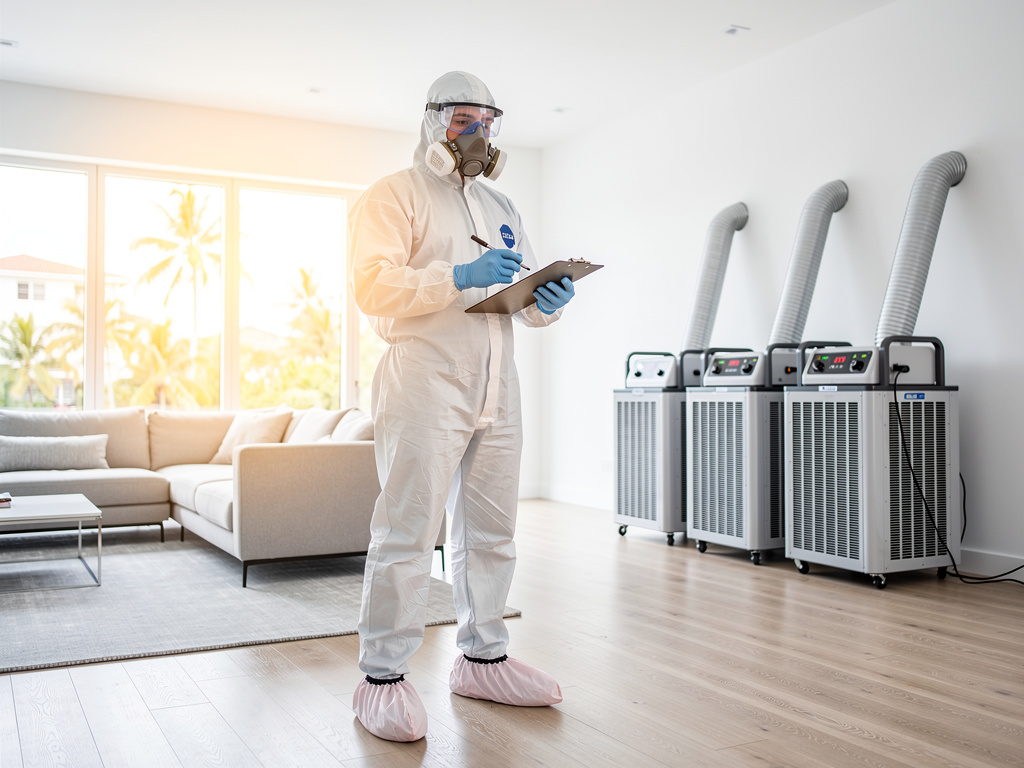
Miami Mold Remediation Licensing and Contractor Requirements
In Miami’s humid climate, mold growth is a common concern for homeowners and condo boards alike, especially in areas like Brickell and Coral Gables where property values are high and building standards are strict. When mold appears, the urgency to remediate it safely and effectively is critical to protect your investment and health. However, not every individual or company claiming to perform mold remediation services is legally qualified to do so in Florida. Understanding the licensing requirements for mold remediation contractors in Miami is essential before hiring anyone for mold removal. Our team at Miami Mold Remediation Pros knows firsthand how important it is to engage licensed professionals who follow state regulations and industry best practices.
In Florida, mold remediation contractors must hold a Mold Remediator State License (MRSA) issued by the Department of Business and Professional Regulation (DBPR). To verify a licensed mold remediation contractor in Miami, check the DBPR website. Hiring unlicensed contractors is illegal and can result in fines and ineffective mold removal, especially for Brickell condos and Coral Gables homes.
Understanding Florida’s Mold Remediation Licensing Requirements
Florida law requires anyone performing mold remediation to hold a Mold Remediator State License (MRSA) issued by the Department of Business and Professional Regulation (DBPR). This regulation was enacted to ensure that mold remediation work is done safely, effectively, and in compliance with health and environmental standards. Without this license, contractors are not legally authorized to perform mold remediation services in Miami or anywhere else in Florida.
To obtain the MRSA, applicants must meet specific training, experience, and examination requirements that demonstrate their knowledge of mold remediation techniques, safety protocols, and state regulations. This licensing process helps protect consumers from unqualified individuals who might cause further damage or health risks through improper mold removal.
For property managers, condo boards in Brickell, or homeowners in Coral Gables, verifying that your mold remediation contractor holds a valid MRSA license is a crucial step in due diligence. This ensures that the work will be performed by someone who understands the complexities of Miami’s climate and building codes.
How to Verify a Licensed Mold Remediation Contractor in Miami
The most reliable way to confirm if a mold remediation contractor is licensed in Miami, Florida, is by using the DBPR’s online license verification tool. Simply visit the DBPR website and enter the contractor’s name or license number to see their license status, expiration date, and any disciplinary actions.
This verification process is free and accessible to anyone. It offers peace of mind that your contractor complies with Florida’s licensing laws. If a contractor cannot provide a valid MRSA license or if their license does not appear in the DBPR database, they are not legally permitted to perform mold remediation.
We recommend saving a copy of the contractor’s license and checking it again closer to the remediation start date. This is especially important for Brickell condo boards overseeing multiple remediation projects or Coral Gables homeowners investing in thorough mold removal services.
Difference Between Mold Assessor and Mold Remediator Licenses
Florida distinguishes between mold assessors and mold remediators, each requiring different licenses and serving distinct roles in mold management. Understanding these differences helps property owners and managers engage the right professionals for their needs.
- Mold Assessor License: Mold assessors are licensed to inspect and evaluate mold presence in buildings. They conduct testing, collect samples, and recommend remediation protocols based on their findings. Their license ensures they follow standardized procedures to accurately assess mold contamination.
- Mold Remediator License (MRSA): Mold remediators are licensed to perform the actual mold removal and remediation work. They follow remediation protocols, contain mold spread, clean affected areas, and restore the property to a safe condition.
It is illegal in Florida for a mold remediator to perform assessments unless also licensed as an assessor, and vice versa. When Brickell condo boards or Coral Gables homeowners contract for mold services, they should verify that the professionals they hire hold the correct licenses for the tasks they will perform.
Why Hiring Unlicensed ‘Handymen’ for Mold Work Is Illegal and Risky
In Miami, it is common to encounter unlicensed handymen or contractors offering mold remediation services at lower prices. However, hiring these individuals is illegal under Florida law and can lead to serious consequences for property owners.
Unlicensed contractors may lack the necessary training, equipment, and knowledge to safely remove mold. This can result in incomplete remediation, mold regrowth, and potential health hazards to occupants. Furthermore, if these contractors cause damage or fail to comply with legal standards, property owners have limited recourse since the workers are not regulated or insured for mold work.
For Brickell condos and Coral Gables homes, the risks of hiring unlicensed individuals far outweigh any short-term savings. Florida enforces strict penalties, including fines and legal action, against unlicensed mold remediation activities. Engaging a licensed mold remediation contractor Miami Florida ensures your mold problem is addressed professionally and in accordance with state laws.
What a Written Mold Remediation Protocol Document Should Contain
A critical component of professional mold remediation in Miami is the written remediation protocol document. This document outlines the specific steps, methods, and safety measures the licensed contractor will follow to remove mold effectively.
Key elements of the remediation protocol include:
- Scope of Work: Detailed description of the affected areas, extent of mold contamination, and surfaces involved.
- Containment Measures: Procedures to isolate the mold-affected zones to prevent cross-contamination during remediation.
- Personal Protective Equipment (PPE): Types of protective gear workers will use to ensure safety.
- Cleaning and Removal Techniques: Methods for physical mold removal, cleaning, and disposal of contaminated materials.
- Post-Remediation Verification: Procedures for clearance testing or visual inspection to confirm successful mold removal.
- Timeline and Scheduling: Estimated duration of the work and milestones.
For condo boards in Brickell and homeowners in Coral Gables, requesting and reviewing this protocol is a vital part of due diligence. It demonstrates the contractor’s professionalism and adherence to industry standards before remediation begins.
For more details on mold remediation services, visit our dedicated page at Miami Mold Remediation Services.
Frequently Asked Questions
Contact Miami Mold Remediation Pros
If you need a licensed mold remediation contractor in Miami Florida, call our expert team at (645) 241-5434 today. We’re ready to provide professional, licensed mold removal services tailored to your property’s needs.
Miami Mold Remediation Pros
📍 4300 Biscayne Blvd STE 203, Miami FL
📞 (645) 241-5434
🌐 https://miamimoldremediation.us