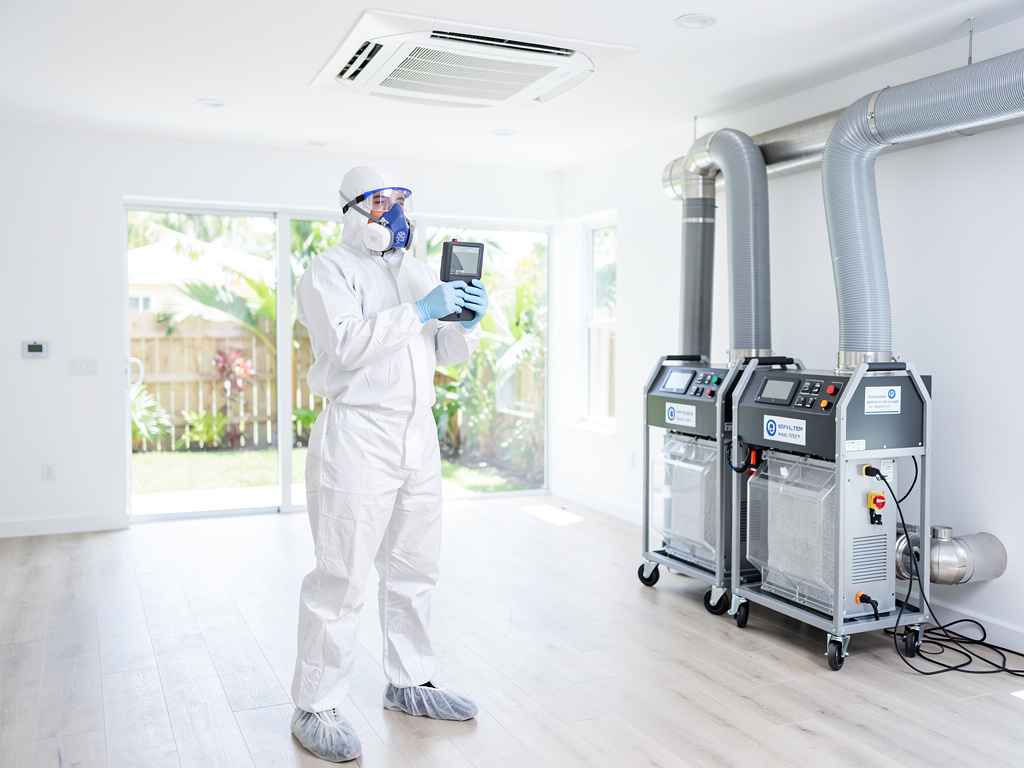
HVAC Mold Contamination in Miami Homes: When Your AC Spreads Mold
In Miami, where air conditioners run over 10 months a year, HVAC mold contamination is a hidden menace affecting countless homes. Unlike typical water damage mold, mold in your AC system thrives in condensate pans, evaporator coils, and ductwork, transforming your cooling system into a mold-spreading machine. This problem is especially prevalent in densely populated neighborhoods like Little Havana and Wynwood, where shared air handlers can exacerbate the issue. Our team at Miami Mold Remediation Pros has tackled this unique challenge, helping homeowners reclaim healthy indoor air. If your home’s AC seems to be spreading musty odors or triggering allergies, it’s time to understand how HVAC mold contamination works and what you can do to stop it.
HVAC AC mold contamination in Miami homes occurs when mold grows inside air conditioners and ductwork, spreading spores throughout every room. Diagnosing HVAC mold involves identifying musty odors, visible mold in vents, and checking condensate pans and coils. Professional HVAC mold remediation, beyond standard duct cleaning, is essential for Miami homes due to year-round AC use.
Why Miami’s Year-Round AC Use Creates a Mold Hotspot
Miami’s tropical climate means air conditioners operate nearly continuously, often 10 to 12 months a year. While this keeps homes cool and comfortable, it also creates the perfect environment for mold growth inside HVAC systems. The constant moisture from condensation on evaporator coils and in condensate pans provides a steady water source for mold spores to thrive. When mold establishes itself in these hidden areas, the HVAC system becomes a mold incubator, circulating spores through the ductwork and into every room of your home.
Unlike mold linked to water damage, HVAC mold contamination is more insidious because it’s often out of sight and can affect all rooms simultaneously. Neighborhoods like Little Havana and Wynwood, where older buildings often have shared air handlers, face an even greater risk. Shared systems can spread mold spores between units, making early detection and professional remediation critical in these areas.
Our team’s extensive experience with Miami’s unique climate and building styles has shown that regular maintenance and proactive mold inspections are vital. Without them, mold contamination can worsen, causing health issues and costly repairs down the line.
How Contaminated HVAC Systems Spread Mold Spores Throughout Your Home
Mold spores are microscopic and can easily become airborne, especially when disturbed. In a contaminated HVAC system, mold growth inside condensate pans, evaporator coils, and ductwork releases spores into the airflow. Every time your AC unit cycles on, it pushes these spores through the vents, dispersing them evenly across all rooms served by the system.
This widespread distribution means that mold contamination isn’t localized to a single damp spot in your home but affects the entire indoor environment. Occupants may notice musty odors, increased allergy symptoms, or respiratory issues without realizing their AC is the underlying cause.
Because the spores spread invisibly, typical surface cleaning won’t solve the problem. It’s essential to address the source within the HVAC system itself. Our team recommends a comprehensive inspection focusing on condensate pans, evaporator coils, and ductwork to pinpoint mold presence. This approach ensures the root cause is treated rather than just the symptoms.
Diagnosing HVAC Mold Versus Localized Mold in Miami Homes
Distinguishing HVAC mold contamination from localized mold growth is key to effective remediation. Localized mold often appears near water leaks, damp basements, or bathrooms and is usually visible on walls or ceilings. HVAC mold, on the other hand, manifests as mold growth inside the AC system components and ductwork, with symptoms appearing throughout the home.
Homeowners in Miami may notice persistent musty odors that worsen when the AC runs, unexplained allergy flare-ups in multiple rooms, or visible mold inside vents and registers. Our team uses specialized tools and inspection methods, including moisture meters and air quality testing, to confirm HVAC mold contamination.
In neighborhoods like Wynwood, where mixed-use buildings have complex HVAC setups, professional diagnosis is especially important. Misdiagnosing mold as localized can lead to ineffective treatments and ongoing health risks. We recommend scheduling a mold inspection with certified professionals to get an accurate assessment and tailored remediation plan.
Duct Cleaning vs. Full HVAC Mold Remediation: What Miami Homeowners Need to Know
Many Miami homeowners initially consider duct cleaning to address mold concerns, but duct cleaning alone rarely resolves HVAC mold contamination. While duct cleaning removes dust and surface debris, it does not eliminate mold growing inside condensate pans, evaporator coils, and other system components.
Full HVAC mold remediation involves a comprehensive approach: removing mold from all affected parts of the system, treating surfaces with antimicrobial agents, and repairing any moisture issues that contribute to mold growth. This process ensures mold spores are not just disturbed but eradicated, preventing recurrence.
In Miami’s humid climate, our team has found that routine duct cleaning without full remediation results in recurring mold problems. We recommend full HVAC mold remediation for any confirmed contamination, followed by regular maintenance to keep your system mold-free.
For more information on mold remediation services tailored to Miami homes, visit our Mold Remediation page.
Prevention and Maintenance Schedules for Miami’s Unique HVAC Mold Risks
Preventing HVAC mold contamination in Miami requires a maintenance strategy designed around the city’s year-round AC use and high humidity. Our team advises homeowners to schedule HVAC inspections and cleanings at least twice a year, ideally before the summer and winter seasons when usage spikes.
- Regular Condensate Pan Cleaning: Moisture collects here and must be drained and cleaned frequently to prevent mold growth.
- Evaporator Coil Maintenance: Coils should be inspected and cleaned to avoid the buildup of organic material that supports mold.
- Ductwork Inspection and Sealing: Leaks can introduce moisture and spores; sealing helps maintain system integrity.
- Humidity Control: Using dehumidifiers or setting HVAC systems to maintain indoor humidity below 60% reduces mold risk.
For residents in Little Havana and Wynwood, where buildings often share air handlers, coordinated maintenance across units is crucial to prevent cross-contamination. Our team works with property managers and homeowners alike to develop tailored maintenance plans that keep Miami homes safe and comfortable year-round.
Frequently Asked Questions
Contact Miami Mold Remediation Pros
If you suspect your AC is spreading mold throughout your Miami home, call Miami Mold Remediation Pros at (645) 241-5434 today. Our experienced team is ready to provide thorough HVAC mold inspections and expert remediation tailored to Miami’s unique climate.
Miami Mold Remediation Pros
📍 4300 Biscayne Blvd STE 203, Miami FL
📞 (645) 241-5434
🌐 https://miamimoldremediation.us