How to Identify Black Mold in Miami, FL: What You Need to Know
I get calls all the time from folks in Miami panicking over what they’ve found growing behind a wall or under a sink. “Is this black mold? Is it dangerous?” That’s the first thing people ask me—especially in South Beach or Doral, where humidity can turn a small leak into a big problem fast. Here’s the thing: not every dark patch is toxic black mold, but some are. Knowing the difference can save you a headache, and sometimes your health.
To identify black mold in Miami, FL, look for dark greenish-black patches typically found in damp, humid areas like bathrooms or basements. It often has a musty odor and can cause health issues such as respiratory irritation. Professional mold testing is recommended to confirm its presence and ensure proper remediation.
What’s the Real Difference Between Stachybotrys and Other Mold Types?
People throw around “black mold” like it means one thing, but in my experience, that’s not accurate. Stachybotrys chartarum, the so-called toxic black mold, looks a bit different than the common molds you find in damp Miami basements or on old drywall in Edgewater. According to official guidelines, stachybotrys usually shows up as a dark greenish-black with a slimy texture when wet. Other molds might be powdery or fuzzy, and colors can range from gray to brown or even white.
I remember a job near the Design District where the homeowner thought they had Stachybotrys. After my inspection and testing, it turned out to be a harmless Aspergillus. Good news, but we still treated it because any mold indoors can degrade air quality and cause allergies. So knowing “stachybotrys vs other mold types” isn’t just about naming the enemy—it helps decide the cleanup approach.
Black Mold Appearance Signs You Can Spot Yourself
- Dark, almost black patches with a slimy or wet look, especially in areas rarely cleaned.
- A musty, damp smell that won’t go away—even after airing out.
- Growth on materials like drywall, ceiling tiles, and sometimes wood.
- Often found where water damage has occurred, like a leaky roof in Key Biscayne after a storm.
One time in Little Havana, a tenant called me about a strange smell in the bathroom. A quick look revealed black mold growing behind the toilet, around old pipe leaks. It wasn’t massive, but the smell was strong enough that it needed immediate attention.
Is Black Mold Dangerous to Health? A Practical Look
The short answer: yes, it can be. But it depends on who’s exposed and how much. Some people get headaches, respiratory issues, or skin irritation just from a small patch, while others barely notice. I’ve seen asthma flare-ups triggered by mold in homes near Jungle Island, especially when the rainy season hits. That’s why I always tell clients: don’t wait if you spot signs of mold in your house. Getting ahead of it with professional mold inspection and testing in Miami can prevent bigger health problems.
When should I call for professional mold remediation near me?
If you see mold covering more than a small patch or if you have recurring water problems, it’s time to call. Mold and mildew removal services are more than just wiping with bleach—they involve containment, air filtration, and sometimes removing materials that can’t be cleaned.
How Much Does Mold Removal Cost in Miami? My Rough Estimates
People often ask me about home mold removal cost around here. Honestly, it depends on the size of the infestation and damage. From what I’ve seen, smaller jobs—like cleaning a bathroom or closet—can run $300 to $700. Bigger projects involving drywall removal, water damage mold cleanup, and repairs can climb into the $2,000–$5,000 range.
Last summer, I worked on a water-damaged condo near Ocean Drive where a broken pipe flooded the unit. The black mold remediation services included mold removal, drying, and sealing. For that job, it took my team and me about three full days, mainly because we had to be meticulous to prevent cross-contamination.
Practical Mold Prevention Tips for Miami Homeowners
In Miami’s humid climate, mold prevention is a year-round job. Here’s what I recommend:
- Fix leaks immediately—whether it’s a roof in South Beach or plumbing in Doral.
- Use dehumidifiers in basement areas or rooms that stay damp.
- Ventilate bathrooms and kitchens well to reduce moisture buildup.
- Regularly inspect behind appliances and under sinks for early signs.
- Consider professional mold inspection and testing Miami services if you suspect hidden growth.
How to get rid of mold safely without making it worse?
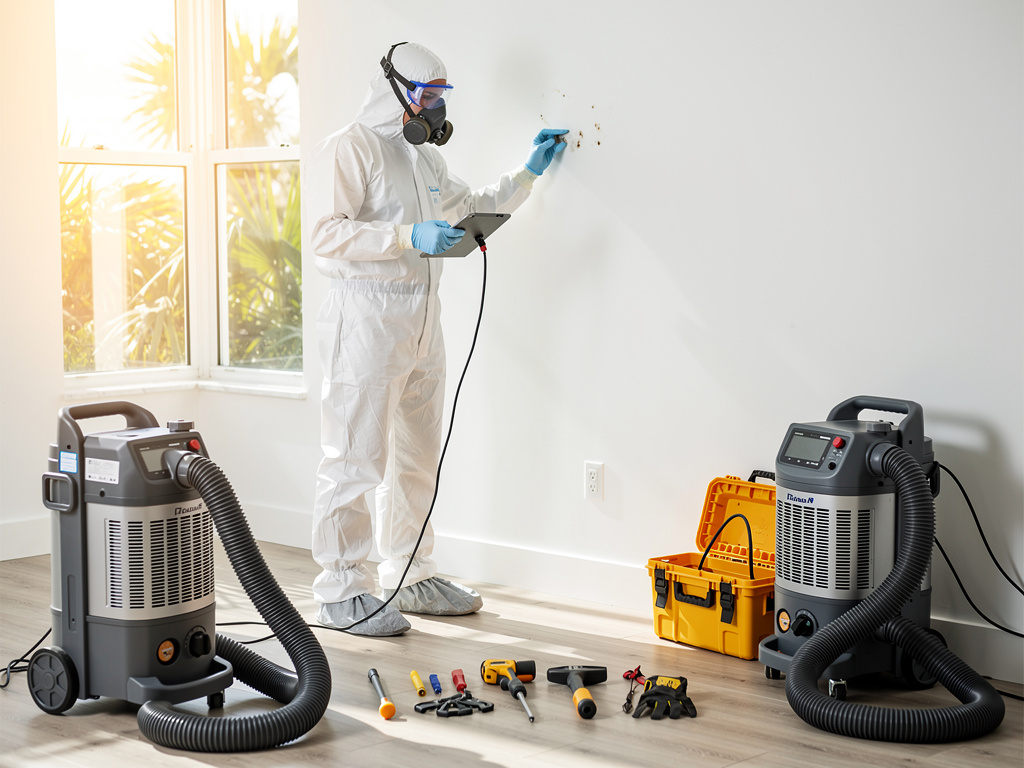
Honestly, DIY bleach scrubbing often spreads spores into the air, which can make things worse. When I handle mold removal, I use specialized HEPA vacuums and containment barriers. I’m licensed and insured, so I follow Miami-Dade County safety codes to protect your property and family.
Spotting a Mold Remediation Pro You Can Trust
I can’t tell you how many times I’ve been called after a botched DIY or unlicensed “remediator” made a mess worse. When you’re searching for mold removal Miami FL, ask these questions:
- Are you licensed and insured for mold remediation here in Miami?
- What’s your process for black mold identification and cleanup?
- Can you provide references from local jobs in neighborhoods like Key Biscayne or Edgewater?
- Do you handle mold inspection and testing in-house or outsource it?
The right pro won’t just scrape mold off your walls—they’ll diagnose the moisture source, stop it, and ensure thorough cleanup. If they rush the job or want to just paint over mold, walk away.
If you want a deeper look at what proper cleanup looks like, check out this post on Mold Remediation in Miami, FL: Fast, Effective Solutions to Protect Your Property. It gives you a real idea of how thorough mold work protects your home and health.
Let’s Talk If You Smell Mold or Spot Black Patches
Look, mold can pop up in places you wouldn’t expect—behind baseboards in Doral or under kitchen sinks in South Beach. If you’re wondering “how to identify black mold” or “is black mold dangerous to health,” don’t wait until it’s obvious or your family’s coughing. I handle everything from inspection to full cleanup, and I’m local—so I know how Miami’s climate and building styles affect mold growth.
Reach out before the problem grows. Sometimes a few hours of my time can save you thousands down the line.