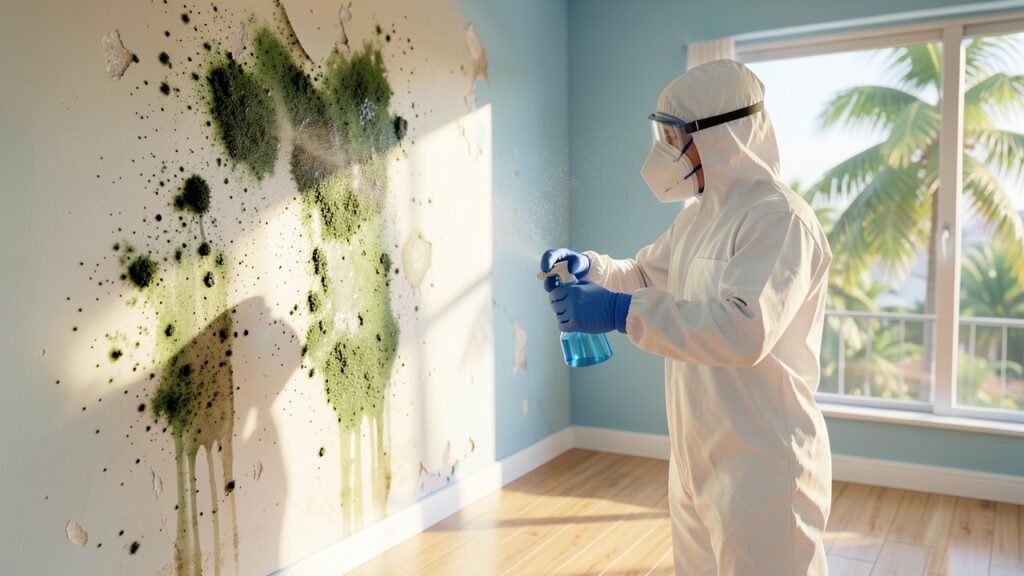
Mold After a Flood in Miami, FL: What You Really Need to Know
I can tell you exactly why the standard advice on mold after a flood is wrong — and it has nothing to do with what most guides say. Most homeowners think drying out the space fast is enough. But in Miami’s heat and humidity, especially after hurricane flooding, that’s only the beginning. I’ve been licensed and insured here, and that context matters when you’re dealing with hurricane flooding mold removal or category 3 water mold risk.
The bigger issue? How that flood water seeps into materials and the hidden mold spores it leaves behind. Without proper storm damage mold prevention and emergency mold response flooding measures, a manageable problem turns into a costly mold damage restoration nightmare.
After a flood in Miami, FL, mold can develop within 24-48 hours due to the region’s high humidity and warm climate. Immediate water removal, thorough drying, and professional mold remediation are crucial to prevent health risks and structural damage. Prompt action ensures effective mold control and restoration.
The Part Most Companies Skip That Costs You Thousands
Most companies tell you to pump out the water and toss in a dehumidifier. Here’s what I’ve actually found: that approach misses the category 3 water mold risk completely. Category 3 water means the floodwater is highly contaminated — think sewage, chemicals, or storm runoff. Just drying the area won’t kill the mold spores or remove the biohazards.
I’ve seen too many hurricane flood mold cleanup jobs where the cleanup company only did surface cleaning. Weeks later, black mold removal after storm damage was still needed because the structure absorbed contaminants. That’s a two-part problem: the mold grows inside walls and under flooring, and the toxins linger. The Florida Building Code and IICRC S520 guidelines talk about this, but few local companies follow through completely.
If you’re dealing with storm damage mold restoration in Miami Beach or Doral, insist on a thorough mold testing and removal services process that addresses category 3 water risks. Mold remediation Miami FL isn’t just a cleanup — it’s a health and safety measure.
What I’ve Noticed About Mold Growth Patterns in Miami
Here specifically, the combination of Miami’s year-round humidity and the salty air from places like Key Biscayne and Ocean Drive makes mold a persistent enemy. After a storm, the pattern I always see is mold cropping up not just on drywall but on materials homeowners often overlook: insulation, baseboards, and even behind kitchen cabinets in Wynwood apartments.
Older buildings in Little Havana and Aventura have porous materials that soak up flood water fast. Those materials can harbor mold spores for months if not treated properly. Also, Miami soil drainage is often poor, which slows ground water absorption and keeps basements and crawl spaces damp longer than you’d expect.
That’s why I always recommend early, aggressive storm damage mold prevention measures. Waiting until you see visible mold? Too late. You want emergency mold removal services on-site within 24 hours after flooding if you want a shot at avoiding extensive mold damage restoration Miami requires.
How to Prevent Mold After Flooding: Three Tips You Can Use Today
Knowing what to do immediately after flooding can save you thousands and weeks of headaches. Here’s what I tell homeowners during a home mold inspection Miami FL:
- Don’t just dry — disinfect. Use EPA-approved products like Sporicidin or Concrobium to treat surfaces. These kill mold spores without harmful fumes.
- Remove porous materials fast. Carpets, drywall, and insulation soaked by category 3 water need removal — drying these alone won’t stop mold growth.
- Keep humidity below 60%. Miami humidity runs high naturally. Running a commercial-grade dehumidifier (I’ve installed Carrier and Lennox units for clients) during cleanup cuts mold growth dramatically.
Understand that DIY mold removal after flood situations is risky when category 3 water is involved. The toxins and spores require professional handling for your safety.
Is Emergency Mold Removal Always Worth It? A Miami Perspective
When should you absolutely call for urgent mold cleanup flood damage services? If you’re in a commercial property in Wynwood or a residential unit in Miami Beach and notice any musty smell or discoloration within 48 hours of flooding, don’t wait.
Emergency mold response flooding is not just a convenience — it’s often your only chance to stop mold from compromising structural integrity. I’m usually available same-day for urgent calls because I know how fast mold spreads here. Everything I do comes with a 5-year warranty on labor — that’s not standard in this industry but essential when you’re protecting your home or business.
Three Questions You Should Ask Your Mold Remediation Company
Picking the right company isn’t easy. Here’s what I tell customers in Doral or Aventura who want honest answers:
- Do you handle category 3 water mold risk specifically? Not all companies do, but it matters when floodwater is contaminated.
- Can I get a clear, written estimate before work starts? I give free estimates on everything. If it’s not worth fixing, I’ll tell you that.
- What brand products and equipment do you use? I trust Concrobium for mold control and HEPA filtration gear from trusted suppliers to protect my clients during removal.
How Much Does Mold Remediation Cost in Miami, FL? What’s Fair?
Most of these jobs run between $1,500 and $5,000 depending on size and category 3 water contamination. Larger commercial mold remediation Miami projects, like those in Wynwood’s warehouses or retail spaces, can run higher depending on materials affected.
Be skeptical of quotes that are too cheap or vague. Mold removal after flood with category 3 water requires specialized gear, protective suits, and sometimes permits from HOAs — especially in places like Key Biscayne. Throwing some bleach on a wall isn’t mold remediation. That’s a band-aid.
Frequently Asked Questions About Mold and Flooding in Miami
How soon should I schedule a home mold inspection after floodwater recedes?
Within 24 to 48 hours is best. Mold can start growing within that window, and early inspection lets you catch it before it spreads.
Is it safe to stay in my home during hurricane flood mold cleanup?
With category 3 water mold risk, no. The contaminants can cause respiratory issues. I always recommend temporary relocation during thorough remediation.
What causes black mold after a storm in Miami?
Black mold thrives on wet, porous materials left damp too long. Miami’s humidity and rainfall create perfect conditions if floodwater is not properly removed and treated.
If you want to know more about mold insurance coverage, check out Does Home Insurance Cover Mold in Miami, FL? What You Need to Know. For prevention everyday, see How to Prevent Mold in Home: Tips for Miami, FL Living.
Here’s the bottom line: Miami’s harsh flood conditions and category 3 water contamination make mold after a flood a ticking time bomb. Don’t wait until you see it on the wall or smell it in the air. Act fast with proven methods and a company that stands behind their work — that’s how you avoid the nightmare of mold damage restoration Miami properties like yours have faced again and again.