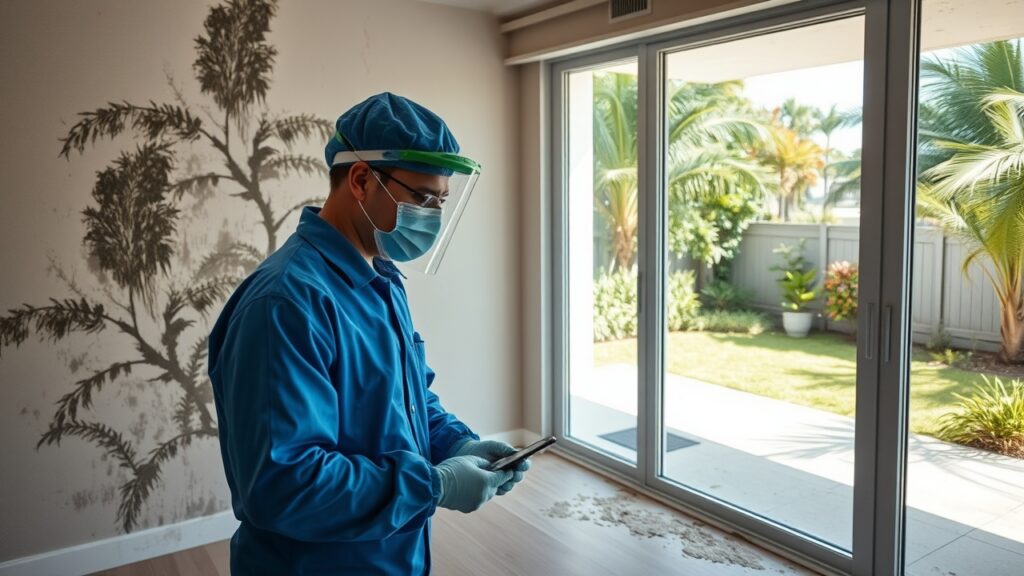
After handling thousands of mold remediation jobs, I’ve learned that no two neighborhoods face the exact same challenges when it comes to mold growth and removal. The factors that influence mold problems where you live—climate, building styles, local water issues—are often overlooked but can make all the difference in how effective and safe a mold cleanup really is. If you’ve ever wondered why some homes in your area seem to fight mold better than others, or why certain mold removal approaches work well here but not in a neighboring town, you’re not alone.
Table of Contents
- What Most Companies Get Wrong About Mold Remediation
- Essential Safety Measures and Tools for Successful Mold Removal
- What Causes Mold to Persist and How I’ve Helped Clients Finally Win the Battle
- What Most Companies Don’t Tell You About Mold Remediation
- Essential Tips and Best Practices for Mold Remediation
- How Much Does Mold Remediation Cost in This Area, and What’s Included?
- Summary: What You Really Need to Know About Mold Remediation
- How to Decide If Professional Mold Remediation Is Right for You
- What I Offer and How I Stand Behind My Work
- What You Can Expect From a Reliable Mold Remediation Process
- When Mold Remediation Might NOT Be the Right Fit
- Final Thoughts
I’m licensed and insured in mold remediation, working across diverse communities and climates, and that context matters. Local variables can influence everything from which mold spores are most common to the best equipment for mold cleanup. For example, the moisture patterns in coastal neighborhoods are far different from those in inland valleys, and the solutions have to reflect that reality. According to EPA guidance, understanding the source of moisture is the first critical step in any mold remediation process, especially in areas prone to seasonal flooding or high humidity.
What most people don’t realize is that effective mold remediation isn’t a one-size-fits-all fix. It’s not just about spraying chemicals or tearing down drywall. The trusted mold specialists in your neighborhood use specific mold inspection and removal devices tailored to local conditions. They rely on professional mold remediation equipment that’s designed to tackle the unique challenges of the community. Whether it’s advanced moisture meters, HEPA air scrubbers, or specialized containment setups, the right tools combined with local expertise make all the difference. For more information, see our guide on Why the Mold Inspection and Testing Process in Opa-locka, FL Demands More Than Just a Visual Check.
So, what causes these differences in mold growth from neighborhood to neighborhood? And when should you call a mold remediation expert who understands your local environment? This guide breaks down the key local factors that influence mold problems along with the step-by-step approach I use in my work to deliver safe, quality results. If you want mold solutions that truly fit your community’s needs—not generic fixes—keep reading.
Your Essential Neighborhood Guide to Mold Remediation (2024 Edition) highlights that effective mold removal involves identifying moisture sources, using EPA-approved cleaning agents, and hiring certified professionals for thorough inspection and treatment. Prompt action and proper ventilation are critical to prevent mold recurrence and protect indoor air quality.
What Most Companies Get Wrong About Mold Remediation
Most companies tell you mold remediation is just about killing the mold on visible surfaces and sealing off the area quickly. Here’s what I’ve actually found after hundreds of jobs: that approach is not only incomplete—it’s often counterproductive. The standard advice on this is to rush in with harsh chemicals and try to “sanitize” quickly, but that usually just spreads spores and leaves behind hidden problems. For more information, see our guide on Why Water Intrusion Mold Treatment in Medley Demands More Than Just Cleanup.
I remember a job where the homeowners had called a big-name mold remediation company. They used a strong biocide spray, cleared the visible mold, and left. A few months later, the same family called me back because the mold was back, even worse. When I inspected, I found untreated water leaks and mold deep inside wall cavities—the root cause never got addressed. The quick-and-dirty removal didn’t solve the underlying moisture problem or contain the spores properly.
From my experience, the best mold remediation solutions start with a thorough assessment. You have to uncover every spot where moisture is feeding mold growth, including leaks behind drywall, under flooring, or inside HVAC ducts. Without fixing the source, mold will always return. And the cleanup has to be done with the right commercial mold remediation tools and safety gear—N95 masks, gloves, and HEPA vacuums aren’t optional extras. For more information, see our guide on Understanding Remediation Permits in South Miami: What You Really Need to Know.
Here’s a straightforward truth: mold remediation isn’t “paint over it and hope” work. It’s a detailed process that combines containment, removal, structural drying, and sometimes rebuilding. Most guides recommend consumers tackle minor mold with household bleach or vinegar. I stopped endorsing that after seeing several cases where improper DIY treatments led to deeper contamination and cross-contamination to other parts of the building.
Essential Safety Measures and Tools for Successful Mold Removal
One of the most overlooked parts of effective mold remediation is the safety gear and equipment. People often ask me, “Is it safe to remove mold myself?” The short answer: only if you have the right protection and know exactly what you’re doing. Mold spores are microscopic and can cause serious respiratory problems when inhaled. I don’t just wear any mask—I use a full-face respirator with P100 filters, which you won’t find in typical consumer-grade kits.
For containment, I rely on heavy-duty plastic sheeting and negative air machines that prevent spores from traveling beyond the work area. These are standard tools in commercial mold remediation, but many homeowners don’t even realize they exist. Skipping these containment steps risks spreading spores through the ventilation system or into adjacent rooms, which defeats the whole purpose.
When removing mold, I use specialized HEPA vacuums and anti-microbial cleaners designed specifically for mold. Many “top mold removal products” marketed for home use either don’t kill mold effectively or damage materials, making conditions worse. I’ve seen jobs where improper chemical use led to permanent staining or deteriorated drywall—costly repairs that could have been avoided.
Lastly, drying is vital. You can’t just kill mold and assume the problem is solved. If moisture remains, mold will regrow. Industrial-grade dehumidifiers and air movers dry out the structure completely. I often monitor moisture levels with moisture meters throughout the process to ensure the job is truly finished.
People Also Ask
What is mold remediation and why is it important?
How do professionals remove mold safely?
Can I remove mold myself or should I hire a professional?
How can I prevent mold growth in my home?
How long does mold remediation usually take?
❓ Frequently Asked Questions
What Causes Mold to Persist and How I’ve Helped Clients Finally Win the Battle
What causes mold to keep coming back? Most times, it’s hidden moisture. People see mold only after it’s well-established, but the silent culprit is water. Whether from a slow plumbing leak, condensation due to poor ventilation, or water intrusion during storms, mold feeds on water more than anything else.
I had a commercial client who was frustrated after multiple remediation attempts. The mold reappeared within weeks despite surface cleaning. I uncovered a small, hidden pipe leak behind walls that was never fixed. Once the plumbing was repaired, and the area dried and cleaned with the right equipment, the mold stopped coming back. The whole process took about two weeks, but it was a complete solution—not a band-aid.
That kind of lasting result comes from combining mold remediation with building diagnostics and repairs. Many companies focus only on mold removal without investigating causes thoroughly. The problem then often shifts to another area, and clients are left chasing mold indefinitely.
If you’re wondering how much mold remediation costs in this area, expect a wide range depending on severity and scope. Simple surface jobs might be a few hundred dollars, but thorough remediation with repairs can run into thousands. I always stress that cutting corners upfront often costs more later.
Ignoring the moisture source or skipping professional-grade tools and safety gear isn’t just risky—it guarantees failure in the long run. The secret to successful mold remediation isn’t just what you remove, but how you stop it from coming back. That’s what real experience teaches you.
What Most Companies Don’t Tell You About Mold Remediation
Most companies tell you mold remediation is just about cleaning visible mold and tossing some bleach around. Here’s what I’ve actually found: that approach is usually wrong and can make things worse. Mold is sneaky—it often spreads beyond what you can see, and simply wiping it off doesn’t fix the root problem.
The standard advice you hear everywhere is to just clean and dry the area quickly. That’s a start, sure. But mold spores can hide inside wall cavities, under floors, or inside HVAC ducts. If you don’t use proper mold testing and removal equipment to detect these hidden colonies, you’ll end up with recurring mold—and a bigger headache down the road.
I’ve seen homeowners and even some companies rush through the job, skipping thorough inspections or ignoring moisture sources. The result? Mold comes back, sometimes worse than before. That’s why I always emphasize comprehensive inspection first, often with moisture meters and specialized cameras, before starting any cleaning.
Here’s the thing: the EPA and the Institute of Inspection Cleaning and Restoration Certification (IICRC) both stress the importance of containment and air filtration during mold remediation. Containment prevents spores from spreading through the house, and air scrubbers with HEPA filters trap airborne mold during the process. If you’re not using professional mold abatement tools, including HEPA vacuums and negative air machines, you’re likely stirring the spores and making the situation worse.
Most companies don’t want to spend the time or money on this equipment because it slows the job down. I’ve seen it first-hand on many jobs—the quick-and-cheap approach almost always leads to callbacks.
Essential Tips and Best Practices for Mold Remediation
1. Don’t Cut Corners on Equipment
Good mold remediation requires the right gear. That means PPE (personal protective equipment) like respirators and gloves, but also specialized tools like HEPA air scrubbers, containment plastic barriers, and moisture meters. Renting mold cleaning equipment can be a smart choice if you’re a DIYer tackling a small patch, but be honest with yourself—if it’s bigger than a few square feet, calling a pro is safer and more effective.
2. Address Moisture Sources First
One of the most common mistakes I see: people clean the mold but never fix the water problem. Mold loves damp, dark spaces. Whether it’s a leaky pipe, poor ventilation, or a foundation crack, until that moisture issue is fixed, mold will return. I always check for leaks or humidity issues before starting mold removal. In many cases, the secret to successful remediation is stopping the water intrusion completely.
3. Follow Industry Standards
The IICRC S520 Standard and Reference Guide for Professional Mold Remediation is my go-to blueprint. It details how to inspect, contain, remove, and verify mold cleanup. Their guidelines are what separate a solid job from a patch-up. For example, they recommend using full containment with negative air machines for moderate to large infestations, something many companies skip to save time.
4. Expect Thorough Cleaning and Disposal
Moldy materials often can’t be salvaged. Porous items like drywall, ceiling tiles, carpets, and insulation usually need removal and replacement. Non-porous surfaces can be cleaned with antimicrobial solutions. I take pride in explaining this to customers up front. I offer free estimates so people know exactly what to expect—no surprises.
How Much Does Mold Remediation Cost in This Area, and What’s Included?
I get asked this all the time. The short answer: prices vary depending on size, severity, and complexity. Most run about $500 to $3,000 for typical home jobs around here, but it can go higher for serious infestations or hard-to-reach areas.
What people don’t realize is that price isn’t just for the visible cleanup. It covers mold testing, containment setup, air filtration, removal of contaminated materials, and final clearance testing to verify the job is done right. I stand behind my work with a 1-year warranty on labor—if mold comes back due to something I missed, I’ll come back and fix it without charging extra.
I’m usually available for same-day or emergency calls, since mold can spread fast and cause health risks. Transparency is key—I provide free estimates and walk you through what each step involves and why it matters.
What Causes Mold to Return After Remediation?
One hidden factor is improper drying. Even after cleanup, if the area stays damp, mold spores will grow again. I once had a job where a previous contractor cleaned the mold but left a crawl space vent blocked. Moisture got trapped, and within six months, the mold was back full force.
Another cause is incomplete remediation. Removing only visible mold without air filtration or containment lets
Summary: What You Really Need to Know About Mold Remediation
After working on hundreds of mold remediation projects, I can tell you this: getting rid of mold is rarely as simple as spraying a cleaner and calling it a day. The real challenge lies in understanding the full scope of the problem—where the moisture is coming from, how deep the mold has penetrated, and what long-term solutions will actually prevent it from coming back. I’ve seen too many folks try to DIY mold remediation with off-the-shelf products or basic equipment like mold remediation vacuum cleaners, only to find themselves dealing with stubborn returns weeks or months later.
One key takeaway? Mold remediation isn’t just about cleaning visible mold—it’s about treating the environment that allows mold to thrive. Without properly addressing water intrusion or humidity issues, you’re just fighting a losing battle. For example, I once had a client who spent hundreds on mold cleaners before calling me. After inspecting, I found a hidden pipe leak behind the drywall. Fixing that leak was the real game-changer, not the sprays.
From what I’ve seen, the most reliable mold removal solutions come from a blend of thorough inspection, careful removal, and moisture control. Using specialized tools like HEPA vacuums combined with industrial-grade drying equipment makes a huge difference. It’s not a quick fix, but it’s the way to get effective, lasting results.
How to Decide If Professional Mold Remediation Is Right for You
If you’re wondering, “When should I call a mold remediation professional?” here’s my honest take: If the mold covers more than a few square feet, has gotten behind walls, or returns despite your efforts, it’s time to bring in an expert. Also, if anyone in your home has allergies, respiratory issues, or weakened immune systems, don’t wait. Mold exposure can worsen health problems.
You might be tempted to handle small spots yourself using DIY mold remediation equipment, but remember this isn’t like cleaning a stain. If you try to remove mold without proper containment and ventilation, you risk spreading spores and making the problem worse. Plus, some materials—like drywall or insulation—may need to be removed entirely rather than just cleaned.
What I Offer and How I Stand Behind My Work
Every job I take on comes with my personal guarantee: if you’re not satisfied or if mold reappears after my work, I’ll come back to make it right, no questions asked. That’s beyond just a warranty—it’s about peace of mind. I’m licensed and bonded, which means you get professional protection that many fly-by-night services don’t provide.
I also offer free, no-obligation estimates. I try to be as transparent as possible about pricing and the scope of work upfront. Emergency situations? I’m usually able to respond same-day because I understand how urgent mold problems can be. I’ve done several jobs where a quick response saved a home from serious structural damage.
What You Can Expect From a Reliable Mold Remediation Process
- Inspection and Testing: Not just a visual check. I sometimes use moisture meters and air quality tests to gauge hidden issues (more on why this matters in this post).
- Containment: Setting up barriers to keep mold spores from spreading through the house during cleanup.
- Removal: Using HEPA-rated mold remediation vacuum cleaners and specialized cleaning agents tailored to the surface.
- Drying and Repair: Eliminating moisture sources and drying affected areas completely.
- Final Verification: Ensuring the mold is gone and the environment is safe.
This thorough approach isn’t the cheapest route, but it’s the most effective. Skipping steps can mean you’re back at square one in a few months.
When Mold Remediation Might NOT Be the Right Fit
If your mold issue is extremely limited to a tiny, non-porous surface in a dry area, you might be able to handle it yourself. But be honest—if you don’t have the right equipment or if you’re unsure where the moisture source is, DIY can backfire. Also, some landlords or insurance policies have strict rules about who can perform remediation. Check those before starting.
If your home has ongoing water intrusion problems and you’re just looking for a quick cleanup, you’re setting yourself up for future headaches. Mold remediation without fixing the root cause of moisture is like bailing water out of a leaking boat without patching the holes. For more on that topic, check out this detailed explanation.
Final Thoughts
Mold remediation is an investment in your health and your property’s future. With the right professional help, you can avoid costly repairs down the line and protect your indoor air quality