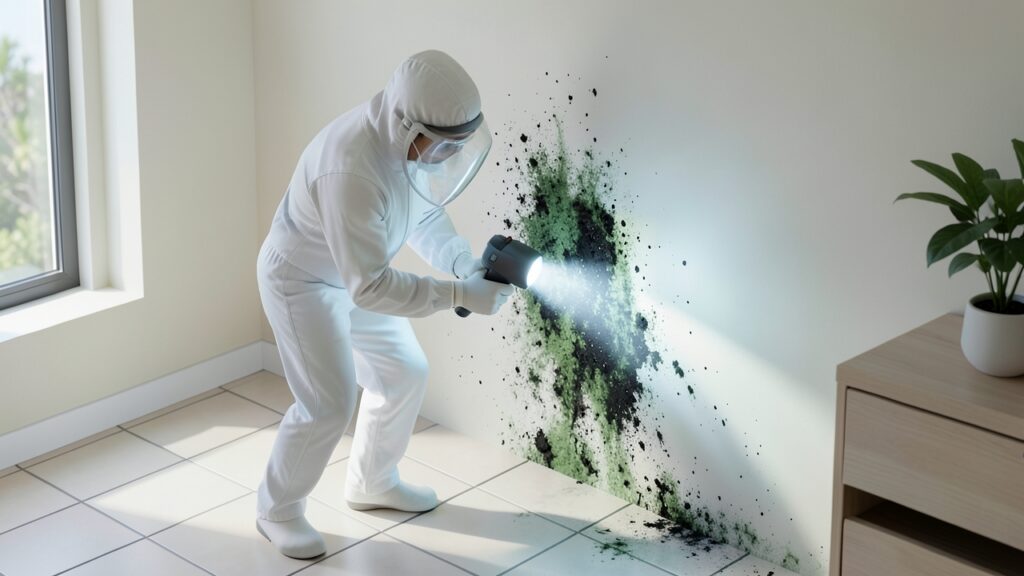
If you live in a humid area like I do, you already know how mold can become an uninvited guest in your home faster than you expect. I can tell you one thing with certainty: the difference between a successful cleanup and a recurring nightmare often comes down to knowing when to roll up your sleeves and when to call in a certified pro. Mold isn’t just a cosmetic problem—its spores can seriously affect your health and your home’s structure if left unchecked.
Table of Contents
- What Really Matters in Mold Remediation: Beyond the Surface
- The Standard Advice on Mold Removal Is Usually Wrong—Here’s Why
- How Much Does Mold Remediation Cost and Why It’s Worth Investing Right
- Practical Tips for Effective Mold Remediation: What You Really Need to Know
- Summary and Clear Next Steps: What You Need to Know About Mold Remediation
Here’s the truth: I’ve seen homeowners attempt DIY mold removal only to make the situation worse, spreading spores or missing hidden colonies. I’ve also encountered mold removal companies that overcharge for simple jobs or push unnecessary services. Navigating this landscape takes experience, and having been licensed and insured, that context matters here. The key to success lies in understanding the scope of your mold issue and choosing the right approach for your specific situation.
This guide will reveal practical advice for homeowners on when you can confidently tackle mold remediation yourself and when professional mold cleanup is the safer, more effective choice. Along the way, I’ll share some proven DIY mold removal tips that work, and explain why certain problems require specialized expertise and equipment. If you’ve ever wondered, “how much does mold remediation cost in this area?” or “is it safe to do mold removal myself?”, you’re in the right place.
Effective mold remediation in humid climates requires controlling moisture, using proper protective gear, and thorough cleaning with mold-specific products. While DIY methods can address minor mold issues, professional remediation is essential for extensive infestations to ensure complete removal and prevent health risks. Prioritizing ventilation and humidity control is critical to long-term mold prevention.
What Really Matters in Mold Remediation: Beyond the Surface
I’ve learned that the critical details most homeowners miss are not on the packaging or in the quick online tutorials. The real challenge isn’t just removing visible mold—it’s controlling the unseen factors that cause mold to return or spread. Mold remediation is as much about environment management as it is about cleaning. For more information, see our guide on Mold Remediation in Grove, FL: What You Really Need to Know.
The first key step I always emphasize is thorough mold inspection and testing. Many companies either skip this or do a quick visual check. That’s a huge mistake. Mold hides inside walls, beneath floors, and behind drywall. I once handled a house where the visible mold was on the bathroom ceiling—easy fix, right? Wrong. After detailed testing, we found active mold colonies inside the wall cavity feeding off a slow leak in the plumbing. Without that step, the mold would have returned in weeks.
Testing isn’t just about finding mold presence. It tells me what type of mold I’m dealing with and how extensive the contamination is. That informs safety measures, the type of disinfectants I use, and how I plan the removal process to prevent cross-contamination. Skipping this is like treating symptoms without diagnosing the disease.
The Standard Advice on Mold Removal Is Usually Wrong—Here’s Why
You’ll see most guides recommend bleach or vinegar as quick fixes for mold. I stopped relying on those years ago. Here’s what I’ve seen: bleach can kill surface mold but often doesn’t penetrate porous materials where mold roots take hold. Plus, it can cause more damage to wood or drywall in the long run. Vinegar smells nice and is mildly effective on certain mold types but isn’t a solution for serious infestations. For more information, see our guide on What Real Mold Remediation Looks Like in Florida, FL.
Most companies tell you that removing mold is about scrubbing it off and applying a fungicide. Here’s the thing: I’ve found that this approach often leads to temporary fixes. Mold loves moisture and organic material. If the source of moisture isn’t controlled or if the contaminated materials aren’t removed properly, the mold will come back faster than you expect.
For example, on one job in a crawl space, the client had previously used bleach to treat mold patches themselves. The mold returned within two months because the wood and insulation were still damp and colonized internally. I removed those materials entirely, installed a vapor barrier, and fixed the moisture source. That job took a day longer and cost more upfront, but the mold hasn’t come back in over three years. For more information, see our guide on How to Choose the Right Mold Remediation Expert in Your Area.
Here’s my contrarian insight: most companies tell you mold remediation is a cleaning job. I’ve learned it’s really a structural and environmental repair job. You can’t just kill mold—you have to remove its habitat and conditions. That’s the only way to get lasting results.
How Much Does Mold Remediation Cost and Why It’s Worth Investing Right
I get asked all the time, “How much does mold remediation cost in this area?” The short answer: it varies widely based on the extent of mold damage repair needed and whether structural components must be replaced.
In my experience, small mold remediation jobs—say, treating a bathroom ceiling or a single drywall section—usually run about $800 to $1,500. Larger projects involving multiple rooms, significant mold inside walls, or crawl spaces often start around $3,000 and can go up to $10,000 or more.
A quick job might be cheaper, but I always caution against cutting corners. Mold remediation is often linked to hidden problems like leaks, poor ventilation, or damaged materials. In one recent job, a homeowner wanted a budget-friendly fix to treat a basement with visible mold spots. After I did the inspection and testing, I found mold in the HVAC ductwork and behind paneling. The final remediation and repairs took four days and about $5,500, but it prevented a bigger health hazard and structural damage that would have cost much more later.
Here’s what I recommend to homeowners wondering about cost:
- Get a thorough inspection before accepting any quote. Without it, the price can be a guess.
- Understand the repairs included. Some companies focus on cleaning only, but mold damage repair often means removing and replacing materials.
- Invest in moisture control. Fixing leaks, improving ventilation, and drying out areas is essential and sometimes part of remediation.
- Containment is key. Before any work starts, I isolate the affected area with heavy plastic sheeting and use negative air machines. This keeps mold spores from spreading to clean parts of the home. Skipping this step almost always leads to re-contamination.
- Use proper cleaning agents. Bleach might seem like a quick fix, but it only kills mold on the surface and can actually make the spores more airborne if not applied carefully. I rely on EPA-registered fungicides designed specifically for mold remediation. It’s not just about killing the mold—it’s about making the environment inhospitable for regrowth.
- Remove porous materials when needed. Mold can penetrate drywall, insulation, and carpets. Trying to clean these usually fails. In my experience, the most thorough remediation involves cutting out and replacing these materials. It’s not the cheapest route, but it’s the only way to be sure.
- Dry everything completely. Mold thrives in moisture, so thorough drying with industrial dehumidifiers and air movers is essential. I’ve seen jobs where drying was rushed or incomplete, and sure enough, the mold came back within weeks.
- Bleach doesn’t penetrate porous surfaces. Mold roots are microscopic and burrow deep. Bleach kills mold cells on the surface but leaves behind spores and fragments that can easily regrow.
- Incomplete containment spreads spores. Without sealing off the work area and using negative air pressure, you can spread mold spores throughout your home. I’ve walked into houses after DIY attempts that looked worse than before because the spores had settled in new areas.
- Ignoring moisture sources means failure. Mold is a symptom, not the problem. If you don’t fix leaks, improve ventilation, or tackle humidity, mold will just return. About 6 out of 10 cases I see involve untreated moisture problems.
- Fix leaks immediately. Plumbing leaks or roof issues are the most common culprits. Don’t wait for a musty smell or visible mold before you act.
- Keep humidity below 60%. Use dehumidifiers in basements or other humid areas. According to the Environmental Protection Agency (EPA), maintaining indoor humidity between 30-50% is ideal to prevent mold growth.
- Improve ventilation. Use exhaust fans in bathrooms and kitchens. Open windows when weather allows, especially after showering or cooking.
- Use mold-resistant products. If you’re renovating, choose mold-resistant drywall or paints in moisture-prone rooms.
- Regularly inspect hidden spaces. Mold can hide behind baseboards, under carpets, or inside walls. Catching problems early makes remediation much easier.
Knowing how to remove mold safely is about more than scrubbing. It means understanding mold’s root causes, controlling moisture, and doing the job right the first time. That approach saves money and headaches long term.
Practical Tips for Effective Mold Remediation: What You Really Need to Know
When I arrive at a property for mold remediation, I’m often surprised at how many homeowners have already tried “fixing” the problem themselves. A lot of the advice floating around online just doesn’t align with what really works in the field. So here’s some straightforward, battle-tested guidance on how to approach mold remediation that’ll save you time, money, and headaches.
What Are the Best Mold Remediation Techniques?
There’s a big difference between mold removal and mold remediation. Removal sounds simple—you just get rid of the visible mold, right? Not quite. Remediation means addressing the root cause, safely containing the mold, and restoring the affected area to prevent future growth.
Here’s what I’ve learned:
If you want to dive deeper into what real mold remediation looks like, I wrote up some detailed insights based on my experience in Florida here.
The Standard Advice on DIY Mold Removal Is Usually Wrong — Here’s Why
Most companies or guides you’ll find say: “Just clean mold with bleach and keep the area dry.” Here’s what I’ve actually found after hundreds of jobs: that approach often makes things worse.
Why? Because:
Here’s the short answer: Mold remediation is more than cleaning. It’s a careful, methodical process designed to make sure the mold is gone for good. I stopped relying on bleach-based methods after watching a family spend thousands on remediation only to have the mold return two months later.
How Can You Prevent Mold from Coming Back?
After the remediation work is done, most homeowners ask: “What now? How do I keep this from happening again?”
Here are some easy and authentic home mold prevention methods I recommend:
I stand behind every job I do with a solid 5-year warranty on labor. If mold comes back because the work wasn’t right, I come back at no extra charge to fix it. I also offer free estimates, and for urgent situations, I’m usually available same-day to start containment. Mold infestation is stressful enough without waiting around.
If you want a clear
People Also Ask
What is mold remediation?
How long does mold remediation take?
Can I do mold remediation myself?
What causes mold growth in homes?
Does mold remediation remove all mold spores?
❓ Frequently Asked Questions
Summary and Clear Next Steps: What You Need to Know About Mold Remediation
After working on hundreds of mold remediation projects, I’ve seen the same patterns play out time and again. Mold isn’t just a nuisance—it can quietly damage your home and harm your health if left unchecked. But tackling it isn’t as simple as scrubbing with bleach or spraying store-bought mold killers. The secret to real success lies in identifying the source, properly containing the affected area, and removing the mold safely without spreading spores around. That’s why I always emphasize mold removal safety precautions and why I recommend professional help, especially for larger or hidden infestations.
If you’ve been weighing comparing DIY and professional mold removal options, here’s my take from the trenches: DIY is okay for a tiny patch in a dry spot, but anything beyond that risks making the problem worse. If you’re dealing with water-damaged drywall, or mold covering more than 10 square feet, professionals with the right gear and training are your best bet—not just for thorough cleanup, but for your family’s safety.
Commercial property owners face their own challenges. I’ve handled several commercial mold remediation services projects, and the stakes are high. There’s the added need to minimize downtime and meet regulatory standards, plus the complex airflow and HVAC systems that can spread spores far faster than most people realize.
What Should You Do Next?
1. Assess the situation honestly. If you see persistent mold patches, or if you smell that musty odor that never goes away, don’t wait for it to get worse. Mold often hides in places you can’t see—inside walls, under flooring, or behind cabinets. Calling in experts early saves you a lot of headaches and expense.
2. Get a professional inspection and estimate. I offer free, no-pressure estimates because I want you to know exactly what you’re facing before making decisions. Sometimes the visible mold is just the tip of the iceberg. A thorough assessment uncovers moisture sources and hidden colonies.
3. Understand what real mold remediation includes. It’s not just about removing mold stains. It means controlling contamination, fixing underlying moisture problems, safely disposing of affected materials, and verifying the area is clean. Check out What Real Mold Remediation Looks Like in Florida, FL if you want a deeper dive.
4. Ask about guarantees and customer protections. I stand behind every job I do with a solid workmanship warranty. If mold returns because of something I missed, I come back and fix it—no hassle. Plus, I’m fully licensed and insured, so you’re protected from unexpected issues.
5. Plan for your timing and budget carefully. Most mold remediation jobs I handle run about $1,000 to $5,000 depending on size and complexity. Emergencies happen, and I’m usually available same-day for urgent calls, but planning ahead helps you avoid rushed decisions.
When Is Professional Mold Remediation Not the Right Fit?
If you’re dealing with a tiny patch of mold in a well-ventilated space, and you’re confident you can address moisture sources, a careful DIY approach might work. But remember: mold removal safety precautions are critical even for small jobs. Wear proper protective gear and don’t spread spores by disturbing mold without containment.
If you suspect black mold or have family members with respiratory issues, asthma, or allergies, leave it to the pros. These situations require specialized equipment and protocols that go far beyond typical household cleaning. Sometimes I explain to customers why remediation is a better investment than risking health problems down the road.
My Final Thoughts
Mold remediation is a task that requires know-how, patience, and respect for safety protocols. I’ve had customers call back months later, thankful they didn’t try to skimp on the job. The cost of ignoring or rushing mold removal can be surprisingly high—both financially and medically.
If you want to protect your home or business and avoid unexpected issues, my advice is simple: get an official inspection, understand your options, and work with someone who guarantees their work. I give free estimates, and I’m just a call away if you want to discuss your situation honestly—no sales pressure, just answers.
For a closer look at what you should expect and how to choose the right professional in your area, check out How to Choose the Right Mold Remediation Expert in Your Area. That’s where I share some of the unexpected red flags I’ve seen customers miss.
The bottom line? Mold can be a hidden threat, but it doesn’t have to stay that way. With the right approach, you can put mold behind you for good