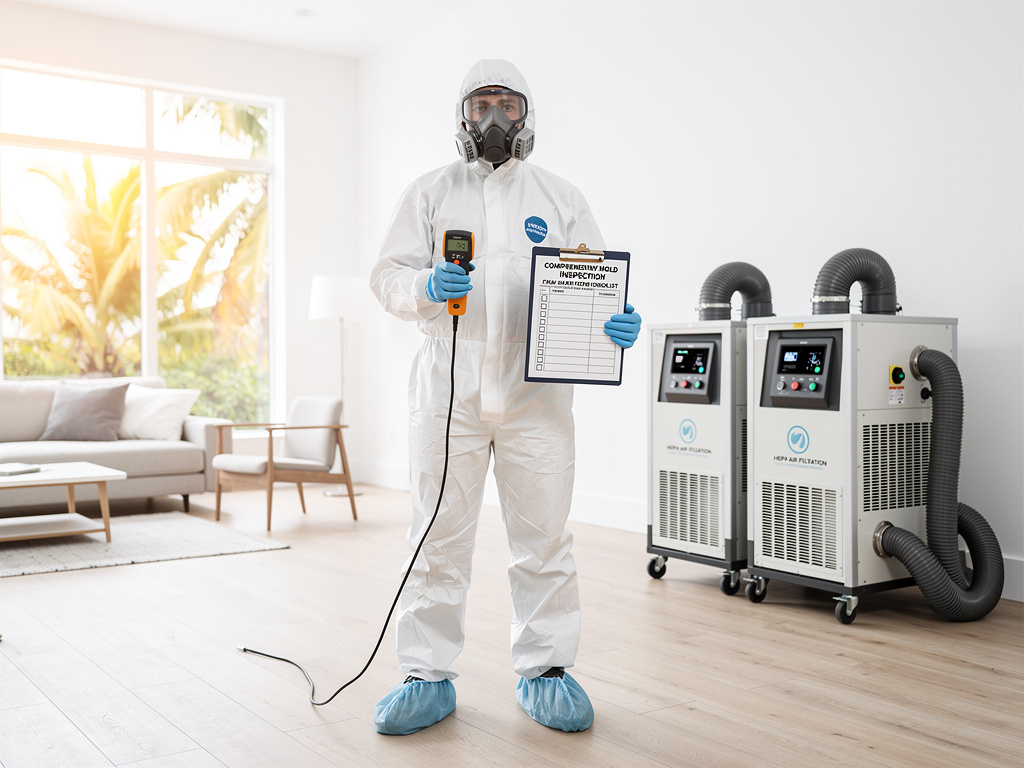
Comprehensive Mold Inspection Checklist for Miami Homeowners
Miami’s tropical climate creates the perfect environment for mold growth, making regular mold inspections an essential part of home maintenance. With high humidity levels and frequent rain showers, our homes—especially in neighborhoods like Little Havana and Coral Gables—are particularly vulnerable to hidden mold infestations. Before scheduling a professional mold inspection, our team recommends that Miami homeowners perform a thorough room-by-room self-check to identify early signs of mold. This practical checklist empowers you to spot trouble areas such as under kitchen sinks, bathrooms, bedrooms, attics, and garages. Understanding what to look for helps you decide when a professional intervention is necessary, potentially saving you thousands in repairs and health risks. Our experts have tailored this guide specifically for local conditions to help you protect your home and family.
For Miami homeowners, a thorough mold inspection checklist includes checking moisture-prone areas like under the kitchen sink, bathroom grout, bedroom closets, attic insulation, and the garage for visible mold or musty odors. Pay special attention to condensate drain lines, pool equipment closets, and irrigation junctions. If you find visible mold covering more than a 10-square-foot area, persistent moisture, or health symptoms, call a professional immediately; otherwise, monitor and maintain ventilation and dryness.
Kitchen Mold Inspection Tips for Miami Homes
The kitchen is a hotspot for mold due to frequent water use and hidden leaks. In Miami’s humid climate, mold can appear quickly beneath and behind fixtures. Begin your inspection under the sink by removing stored items and looking for water stains, soft cabinet wood, or a musty smell. Check the area thoroughly for black or green mold spots, especially around plumbing joints and the cabinet bottom. Next, inspect the dishwasher seals and interior for mold buildup caused by trapped moisture. Don’t overlook the refrigerator, particularly the drip pan and water dispenser lines, as these often collect water unnoticed and create mold-friendly conditions.
- Under-Sink: Look for leaks and mold spots on cabinetry and pipes.
- Dishwasher: Examine seals, door edges, and interior for mold growth.
- Refrigerator: Check drip pans and water lines for moisture and mold.
In Miami’s coastal neighborhoods like Coconut Grove, salt air can exacerbate corrosion and leaks, so be extra vigilant. If you detect mold covering more than 10 square feet or persistent dampness despite repairs, it’s time to call a professional mold remediation service.
Bathroom Mold Inspection Checklist for Miami Residents
Bathrooms are notorious for mold, especially in Miami where high humidity levels linger even after showers. Start by inspecting grout lines and caulking around tubs, showers, and sinks. Look for cracking, discoloration, or softness, which can allow water to seep behind tiles and cause hidden mold problems. Test the exhaust fan’s functionality; a weak or non-working fan fails to remove moisture effectively, increasing mold risk.
- Grout and Caulk: Check for cracks, discoloration, and softness.
- Exhaust Fan: Ensure it runs properly and vents outside the home.
- Under-Vanity: Remove items and check for leaks or mold growth on cabinetry and floors.
Miami’s frequent storms can cause intermittent leaks, so if you notice persistent moisture under the vanity or bubbling paint, these are red flags. For residents of neighborhoods like Wynwood, where older homes often have outdated plumbing, regular bathroom mold inspections are crucial. If mold patches exceed 10 square feet or water damage is evident, professional remediation is strongly recommended.
Bedrooms and Attic Mold Inspection for Miami Homes
Mold in bedrooms often goes unnoticed but can trigger allergies and respiratory issues. Focus on closets located on exterior walls, as these areas are prone to condensation and poor insulation. Inspect window sills for water stains or mold, especially after heavy rains or hurricanes common in Miami. Don’t forget to check air conditioning vents for dust and mold accumulation, as Miami’s AC systems run year-round and can spread spores if not maintained.
- Closets on Exterior Walls: Look for dampness, discoloration, and mold spots.
- Window Sills: Check for water stains and mold after storms.
- AC Vents: Inspect and clean vents regularly to prevent mold spread.
In the attic, inspect the roof deck for water stains, mold on rafters, and sagging areas indicating leaks. Check insulation for dampness and mold, and ensure ridge vents are unobstructed for proper airflow. Miami’s heavy rain and hurricane season demand vigilant attic inspections. If you find mold covering large areas or persistent moisture, contact a mold inspection specialist immediately to prevent structural damage.
Garage and Exterior Areas Unique to Miami
Garages, especially attached ones, are often overlooked but can harbor mold due to moisture intrusion. Inspect walls and floors for water stains, mold spots, and musty odors. Look closely at areas around door seals and where the garage connects to the house. Miami’s frequent tropical downpours can cause water to seep through improperly sealed joints.
- Attached Garage: Check walls, floors, and door seals for mold and moisture.
- Condensate Drain Lines: Ensure these lines from AC units are clear and draining properly.
- Pool Equipment Closet: Inspect for leaks and mold growth due to constant moisture exposure.
- Irrigation System Junctions: Check where irrigation lines connect to the house for leaks or dampness.
Homes in Miami neighborhoods such as Miami Beach often have irrigation systems and pool equipment closets that create hidden moisture pockets. If you notice persistent dampness, mold patches larger than a few square feet, or musty smells, it’s vital to call a professional immediately to address these issues before they worsen.
When to Call a Professional vs. When to Monitor Your Findings
After completing your room-by-room mold inspection checklist, it’s important to understand when to take immediate action and when to simply monitor conditions. Minor mold spots under 10 square feet that appear on non-porous surfaces can sometimes be cleaned with proper protective gear and cleaning agents. However, in Miami’s humid environment, mold can spread quickly, so continuous monitoring is essential.
- Call Now: Visible mold covering more than 10 square feet, persistent musty odors, water leaks that can’t be fixed immediately, or health symptoms like allergies and respiratory issues.
- Monitor: Small isolated patches, minor discoloration on grout or caulk that can be repaired promptly, and areas with no active leaks but some moisture accumulation.
Our team at Miami Mold Remediation Pros encourages you to err on the side of caution. Early professional mold inspections can prevent costly repairs and protect your family’s health. For detailed mold inspection services, visit our mold inspection page.
Frequently Asked Questions
Contact Miami Mold Remediation Pros
If you suspect mold or want a thorough inspection tailored to Miami homes, call Miami Mold Remediation Pros today at (645) 241-5434. Our experienced team is ready to protect your home and health with expert mold solutions.
Miami Mold Remediation Pros
📍 4300 Biscayne Blvd STE 203, Miami FL
📞 (645) 241-5434
🌐 https://miamimoldremediation.us