Mold Remediation in Miami Condos vs Single-Family Homes: Key Differences and What You Need to Know
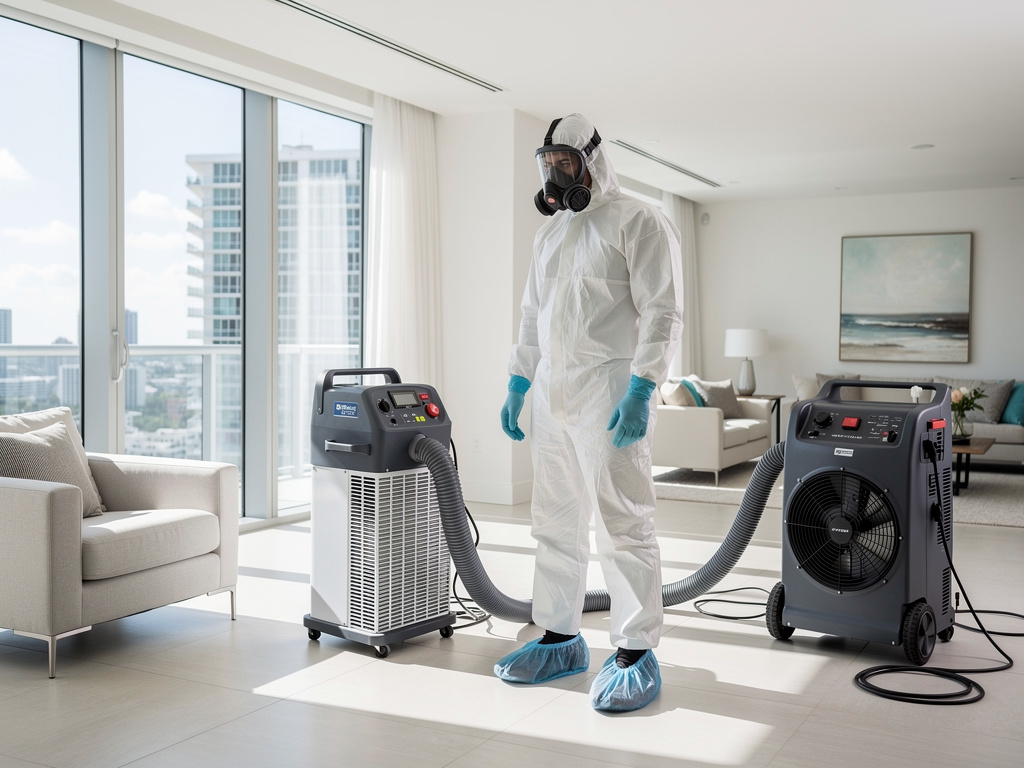
Living in Miami means enjoying its vibrant culture, sunny weather, and beautiful architecture, but it also means dealing with the region’s high humidity and frequent storms that create ideal conditions for mold growth. Whether you reside in a sleek Brickell high-rise condo or a charming Coconut Grove bungalow, mold remediation is a necessary service that must be handled carefully. However, the process for condos versus single-family homes in Miami varies significantly. Our team at Miami Mold Remediation Pros knows firsthand that navigating the unique challenges posed by condos—like HOA involvement, neighbor notifications, and building management approvals—is very different from the streamlined approach possible in a single-family home. In this post, we’ll explore these distinctions, share real-world examples, and provide valuable guidance for Miami property owners facing mold issues.
Condo mold remediation in Miami requires coordination with your HOA, building management, and neighbors, often involving additional approvals and restrictions, unlike single-family homes where owners have full control over remediation efforts. Before calling a remediator, condo owners should review HOA guidelines and notify relevant parties to ensure a smooth process.
HOA Involvement and Authorization Requirements in Miami Condos
One of the most significant differences between condo and single-family home mold remediation in Miami is the level of involvement required from the Homeowners Association (HOA) or building management. In Brickell high-rises, for example, the HOA typically governs any work impacting common areas, including external walls and shared ventilation systems. Our team has often encountered situations where remediation contractors must obtain board approval before beginning work, particularly if it involves drilling into or removing portions of common walls to reach mold hidden behind drywall.
This process can add days or even weeks to the remediation timeline, as board meetings, documentation, and formal requests are necessary. Additionally, condo owners must notify neighbors in adjacent units, especially when mold issues may affect shared walls or airspaces. This notification helps prevent misunderstandings and promotes cooperation, which is crucial in densely populated buildings.
Conversely, single-family homeowners in Miami’s Coconut Grove neighborhood enjoy full autonomy over their remediation projects. They can immediately schedule remediation, select their contractors, and begin work without seeking external authorization. This independence often results in faster remediation and less bureaucratic hassle—an advantage when mold threatens health and property.
Access Challenges: High-Rise Logistics vs Single-Family Home Ease
Access logistics play a huge role in mold remediation differences between Miami condos and single-family homes. In Brickell high-rises, scheduling elevator access for remediation equipment and crew is a critical step. Our team has found that elevator reservations must be coordinated with building management, often requiring specific time windows to avoid disrupting other residents. Additionally, waste removal from mold remediation in these high-rises must adhere to building protocols, frequently involving designated disposal areas and strict guidelines to prevent contamination of common spaces.
In contrast, single-family homes like those in Coconut Grove offer unrestricted access. Contractors can bring in equipment directly through the front or back door without elevator scheduling or navigating common hallways. Waste disposal is typically simpler, as debris can be removed directly to the homeowner’s preferred location or a local landfill without additional building-imposed restrictions.
These access and logistical differences mean that mold remediation projects in condos often require more planning and communication, extending project timelines and potentially increasing costs. Our extensive experience in Miami has taught us that early coordination with building management can mitigate many of these challenges.
Neighbor Notifications and Privacy Considerations in Condos
In Miami condos, mold remediation doesn’t just affect the individual unit owner—it can impact neighboring units as well. Because of this, notifying neighbors becomes a critical step in the remediation process. For example, in a Brickell high-rise, mold growth in one unit may indicate moisture issues that could spread to adjacent units or shared ventilation systems. Our team always advises condo clients to inform their neighbors and the HOA about the situation to foster transparency and enable collective mitigation strategies if needed.
Privacy is also an important concern in condos. Work crews entering shared hallways or common areas must respect residents’ privacy and property. Building management often enforces policies that contractors must follow, such as limiting work hours and supervising access to common areas. These protocols are less restrictive in single-family homes, where owners have more control over who enters their property and when.
By contrast, single-family homeowners can address mold issues independently without the need to disclose details to neighbors unless they choose to. This autonomy simplifies the remediation process but also places full responsibility on the homeowner to manage the project effectively.
Understanding Condo Board Restrictions and Contractor Limitations
Condo boards in Miami frequently impose restrictions on the types of mold remediation methods contractors can employ. For instance, certain chemical treatments or structural alterations might be prohibited without explicit board approval. Our experience with Brickell condos reveals that some boards require contractors to submit detailed plans and proof of licensing before work can begin.
These limitations can affect the choice of remediation technologies and extend the timeline. For example, if a remediation method is deemed too invasive or disruptive, owners may need to explore alternative treatments, sometimes at higher costs. Additionally, contractor access may be limited to specific hours to minimize disruption to other residents.
In single-family homes, such limitations rarely exist. Homeowners can select contractors and remediation methods freely based on their preferences and budget. This freedom allows for faster decision-making and can lead to more customized solutions tailored to the home’s unique needs.
What Miami Condo Owners Should Do Before Calling a Mold Remediator
Before contacting a mold remediation specialist, Miami condo owners should take several preparatory steps to ensure a smooth process. First, review your HOA’s mold remediation policies and guidelines. This step is crucial in neighborhoods like Brickell where HOAs have strict protocols regarding construction and repairs.
Second, notify your building management and neighboring units about the mold issue. Providing transparency helps prevent conflicts and facilitates coordinated action if mold is affecting multiple units.
Third, inquire about necessary approvals or permits required by the condo board for remediation work. Obtaining these in advance can prevent delays once the remediation team arrives.
Finally, select a remediation company experienced in Miami condo environments, such as Miami Mold Remediation Pros, to navigate the unique challenges posed by high-rise logistics, elevator scheduling, and waste disposal. Our team ensures expert handling of your project from start to finish.
For more information on mold remediation services, visit our mold remediation page.
Frequently Asked Questions
Contact Miami Mold Remediation Pros
If you suspect mold in your Miami condo or single-family home, call Miami Mold Remediation Pros at (645) 241-5434 for expert assistance. Our experienced team is ready to help you navigate the unique challenges of mold remediation in any property type.
Miami Mold Remediation Pros
📍 4300 Biscayne Blvd STE 203, Miami FL
📞 (645) 241-5434
🌐 https://miamimoldremediation.us