Stachybotrys and Toxic Mold Types Found in Miami Homes
Miami’s tropical climate brings more than just sunshine and ocean breezes; it creates a perfect environment for a variety of toxic mold species to thrive inside homes. While many Miami residents have heard of the notorious ‘black mold,’ the reality is that our humid, subtropical weather supports a diverse range of molds that can pose serious health risks. From the sleek, slimy colonies of Stachybotrys chartarum to the powdery textures of Aspergillus and Penicillium, Miami homes—especially those in older neighborhoods like Coral Gables and trendy Wynwood lofts—often harbor multiple toxic mold species simultaneously. Understanding these molds, their identifying traits, and the unique challenges they present in our humid climate is critical for effective mold remediation and maintaining a safe living environment in Miami.
Miami homes commonly harbor multiple toxic mold types, including Stachybotrys chartarum, Aspergillus, Cladosporium, and Penicillium, due to high humidity levels. Effective remediation requires targeted strategies for each mold type and professional inspection, particularly in neighborhoods like Wynwood and Coral Gables.
Understanding Stachybotrys Chartarum: The Classic Toxic Mold
Stachybotrys chartarum is often what people think of when they hear ‘toxic mold,’ and it’s easy to see why. This mold prefers damp, cellulose-rich materials—like drywall, ceiling tiles, and cardboard—that are commonly found in Miami homes, especially after water intrusion events. Stachybotrys colonies are typically dark green to black and have a slimy texture due to the wet conditions they thrive in. Unlike some molds that spread quickly, Stachybotrys grows slowly but produces mycotoxins potent enough to cause respiratory issues, headaches, and allergic reactions.
Miami’s persistent humidity, often above 70%, creates an ideal breeding ground for Stachybotrys. Homes in Coral Gables, known for their older construction and sometimes outdated moisture barriers, are particularly vulnerable. If water damage goes unnoticed or unaddressed, these molds can establish themselves behind walls or under floors, making detection difficult without professional tools.
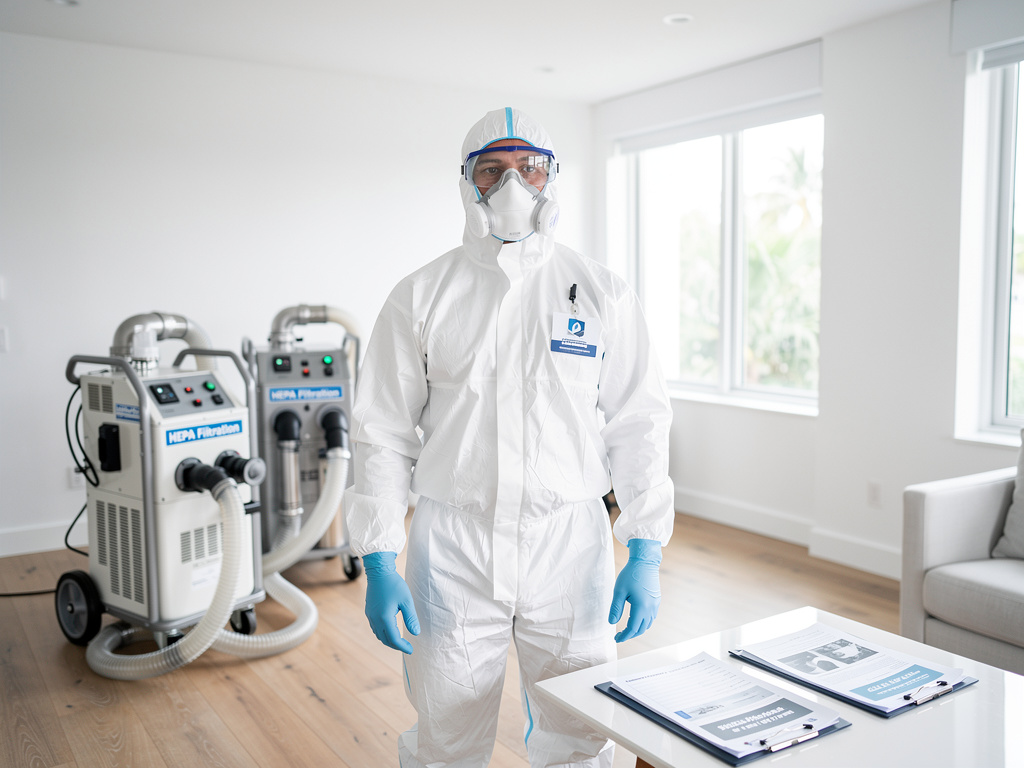
Remediation of Stachybotrys requires specialized containment and removal procedures. Because the mold produces potent mycotoxins, our team uses HEPA-filtered negative air machines and full protective gear during removal to prevent spore spread. Additionally, moisture sources must be carefully identified and eliminated; otherwise, the mold will return. This is why remediation in humid areas like Miami must include both mold removal and moisture control strategies.
Aspergillus: A Stealthy Mold in Miami Lofts and Homes
Aspergillus is another common toxic mold type found in Miami homes, including the industrial-style lofts of Wynwood. Unlike the slimy Stachybotrys, Aspergillus appears as powdery colonies that range in color from green to yellow to black. This mold thrives on a variety of organic materials and dust, often colonizing HVAC systems, air ducts, and insulation—areas that are frequently overlooked during routine cleaning.
What makes Aspergillus particularly concerning is its ability to produce aflatoxins, which can cause severe allergic reactions and respiratory problems, especially in individuals with weakened immune systems. Aspergillus spores are microscopic and easily airborne, which means they can spread rapidly throughout a home’s ventilation system.
Remediation of Aspergillus requires thorough cleaning with specialized antimicrobial compounds and careful inspection of HVAC systems. Our team employs advanced air quality testing during inspections to detect hidden Aspergillus colonies. In Miami’s humid climate, where air conditioning systems work overtime, maintaining clean ducts and proper ventilation is crucial to preventing Aspergillus outbreaks.
Cladosporium and Penicillium: Common but Toxic Mold Species in Miami
While Stachybotrys and Aspergillus often steal the spotlight, Cladosporium and Penicillium are equally important toxic mold types that Miami homeowners should be aware of. These molds are frequently found in damp areas such as bathrooms, kitchens, and basements, especially in older Coral Gables homes where moisture control may be less effective.
Cladosporium is usually olive-green to black and has a suede-like texture. It can grow on wood, fabrics, and painted surfaces. This mold produces allergens and irritants that can exacerbate asthma and allergies, making it a common culprit in indoor air quality complaints. Penicillium, recognizable by its blue or green fuzzy colonies, grows rapidly on water-damaged materials and can produce mycotoxins harmful to human health.
Remediation for Cladosporium and Penicillium involves thorough cleaning and removal of contaminated materials, followed by dehumidification. Miami’s year-round humidity means these molds can quickly return if moisture is not controlled. Our team focuses on not just mold removal but also repairing leaks, improving ventilation, and installing dehumidifiers when necessary to prevent re-infestation.
Why Miami’s Humidity Enables Multi-Species Mold Infestations
Miami’s subtropical climate, characterized by high humidity and frequent rainfall, creates a unique environment where multiple toxic mold species can coexist inside homes. Unlike drier regions where mold growth is usually limited to one or two species, Miami’s constant moisture allows a complex ecosystem of molds to develop simultaneously.
Humidity levels in Miami often exceed 70%, providing ideal conditions for mold spores to germinate and grow rapidly on a variety of surfaces. This multi-species infestation is especially prevalent in neighborhoods like Wynwood, where industrial buildings converted into lofts often have less-than-ideal moisture barriers, and Coral Gables, where older homes retain moisture in walls and crawl spaces due to aging construction.
Managing these infestations requires a comprehensive approach that addresses all mold types present. Our team conducts detailed inspections to identify each species, assesses moisture sources, and customizes remediation plans accordingly. This holistic approach ensures that Miami homeowners can reclaim their properties from multi-species mold infestations effectively.
Effective Remediation Strategies for Miami’s Toxic Mold Types
Our team has developed proven remediation strategies tailored to the unique challenges posed by Miami’s toxic mold types. Successful mold removal doesn’t just mean scrubbing visible mold from surfaces—it requires addressing underlying moisture problems, safely containing and removing mold colonies, and preventing future growth.
For Stachybotrys, containment and specialized removal techniques are essential due to its toxic mycotoxins. Aspergillus requires thorough HVAC cleaning and air quality testing to eliminate hidden colonies. Cladosporium and Penicillium infestations are best handled with moisture control, removal of damaged materials, and dehumidification.
In neighborhoods like Wynwood and Coral Gables, older buildings often need additional repairs to prevent water intrusion, such as fixing plumbing leaks, improving drainage, and upgrading insulation. Our mold remediation services include comprehensive inspections, moisture mapping, and post-remediation clearance testing to ensure your home is safe and mold-free. For more details on our approach, visit our mold remediation services page.
Frequently Asked Questions
Contact Miami Mold Remediation Pros
If you suspect toxic mold in your Miami home, don’t wait—call Miami Mold Remediation Pros at (645) 241-5434 for a comprehensive inspection and expert remediation. Our experienced team is ready to restore your home’s safety and comfort today.
Miami Mold Remediation Pros
📍 4300 Biscayne Blvd STE 203, Miami FL
📞 (645) 241-5434
🌐 https://miamimoldremediation.us